
by dentistryblog | Aug 28, 2019 | Teeth Whitening
With all the price hikes we are experiencing everywhere we go, insurance companies are taking this as an advantage on their end. Come to think of it, their services will definitely come in handy if you are unforeseen expenses that are not part of your budget. Their services will certainly make paying for your needed commodities, either in the form of products of treatments, manageable and hassle-free. But in cases of cosmetic procedure costs like laser teeth whitening price, can this be covered by insurance?
Laser teeth whitening price: How much is it really?
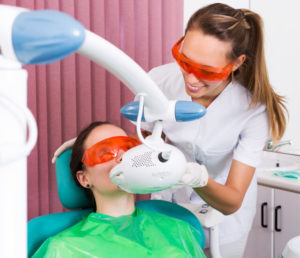 Laser teeth whitening is a cosmetic dental procedure that instantly whitens the teeth using a safe but effective laser light system. Its main goal is to easily whiten teeth without using tacky whitening trays, pen, and strips. It is so effective that both celebrities and ordinary people here in Australia whose need for a pearly white smile is of the essence can attest to its efficiency and safety. However, with great effectiveness comes a heavier cost. In Australia, you can expect a price tag of $800 to $1000 per session. So once you attained the perfect radiant smile, you should think about ways on how to maintain them because their cost is not a laughing matter.
Laser teeth whitening: Can my insurance cover it?
Unfortunately, since the nature of laser teeth whitening is purely for cosmetic purposes, it cannot be covered by dental insurance. Insurance policies typically cover necessary dental procedures or services and treatments that are connected to a medical condition. So if you are really decided to whiten your teeth, you need to save up because you are more likely to pay for it at your own expense.
However, there is no harm in double-checking with your insurance provider about the coverage of your insurance policy. Moreover, you can also consult your dentist if he can also offer you payment plans or schemes to help make your laser teeth whitening price easier on the budget.
by dentistryblog | Aug 19, 2019 | Dentistry
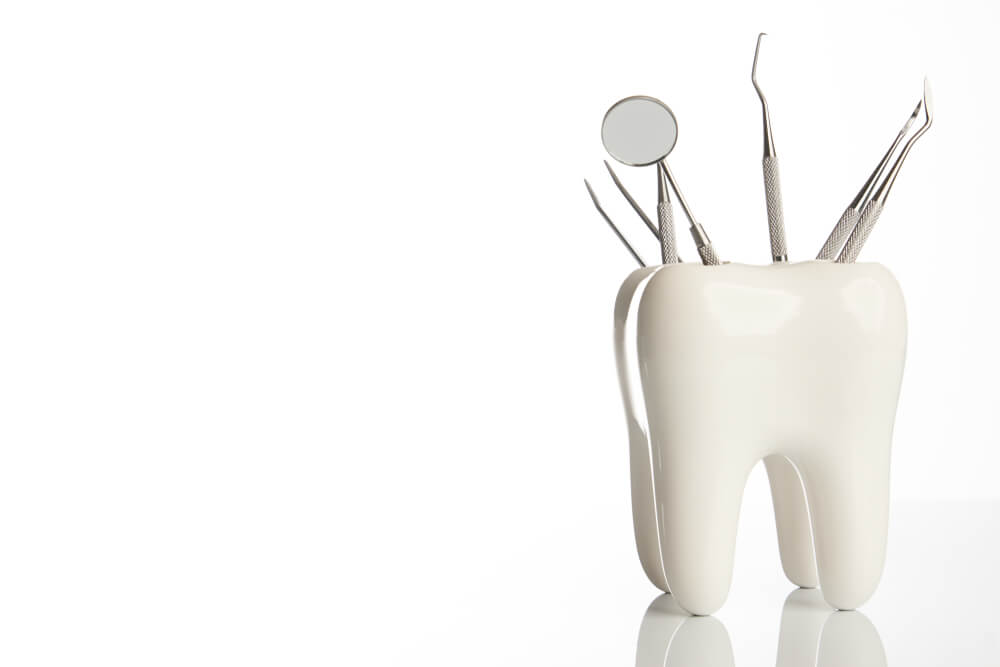
Going to the dentist can be scary. The tools and the sounds they make can intimidate anyone. Dentists need these tools in order to complete a thorough examination of our mouths. If you’re a dental provider and you’re looking for high quality dental tools, you can get your dental supplies from Critical Dental. But if you’re a dental patient, knowing what the tools are and what they’re supposed to do may ease your mind and make the next trip to the dentist your best one yet. Here’s the basic dentistry tools list for you to be familiar with.
What are the Tools Needed
Dentistry tools lists change based on the type of procedure to be performed. When a general examination is needed, the following tools are necessary:
Mirror – The mirror is probably the most recognizable dentistry tool. It’s used to see areas of the mouth that are hard to reach. It can also be used to move the tongue.
Probes – The probe can be an intimidating instrument. It has a long handle with a sharp hook on the end. It’s used to explore the mouth and check for cavities and gum disease. 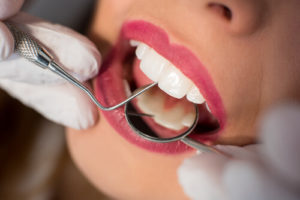
Scaler – While the probe can frighten many, the scaler looks worse. It has the same long handle but has hooks on both ends. This is used to scrape away the tartar and plaque from teeth during routine checkups.
Air Water Syringe – While scraping away the plaque and tartar it’s important to clean the area and make sure it was all removed. The water syringe helps with that by spraying water into the mouth and assisting in examination.
Suction Device – Just like water is needed to help clean the area, sometimes a dry surface is necessary to continue the checkup. A suction device will remove the excess saliva and water from your mouth giving the dentist a closer look while making the patient more comfortable.
These basic tools assist your dentist in cleaning your teeth and keeping your smile healthy. Now that you have an understanding of what each tool is you may feel even more comfortable at your next visit.

by dentistryblog | Aug 16, 2019 | General Dentistry
Caused by an over-accumulation of harmful bacteria in the mouth, trench mouth disease is a more virulent form of gingivitis. Regarded as a severe oral infection, the condition is characterized by the presence of ulcers in the gums and by painful bleeding gums. Moreover, if left untreated, trench mouth can lead to necrosis of the teeth’s support structures. If you have dental problems such as this, you can visit this dental clinic and receive gentle dental care near Liverpool, NSW.
Prevalence of Trench Mouth
Trench mouth is a rare condition that affects only 0.5% – 1% of the population of the United States. It’s most likely to occur among adolescents or young adults, or in communities affected by poor nutrition or substandard living conditions.
Exacerbating Factors
Although relatively rare, trench mouth can, nevertheless, affect anyone who fails to practice proper oral hygiene. Moreover, the risk of trench mouth developing is heightened in cases where gingivitis is present as a preexisting condition. Similarly, individuals with compromised immune systems, diabetes, elevated stress levels, HIV/AIDS, or those who smoke, are considered to be more susceptible to the condition.
Symptoms
The symptoms of trench mouth are quite similar to those of gingivitis. The most discernible difference between the two conditions is the respective speeds at which they progress. In this regard, trench mouth spreads much more rapidly than gingivitis does.
In addition to the speed at which it spreads, trench mouth can be recognized by the following symptoms;
Diagnosis
Happily, diagnosing trench mouth is a straightforward affair, which generally requires nothing more taxing than a simple oral examination. Under some circumstances, however, a dentist may also request an x-ray in order to determine whether the infection has spread to neighboring areas of bone.
Additionally, a doctor may take a blood sample, in order to test for other conditions, such as autoimmune disorders, which can promote an overabundance of harmful bacteria in the mouth.
Treatment
If the appropriate steps are taken it’s eminently possible to cure trench foot within a matter of weeks. Typically, measures taken include;
- Antibiotics are administered to halt the spread of infection
- Pain relief medication
- Professional teeth cleaning
- Correct oral hygiene
On top of such steps, taking warm salt water rinses or hydrogen peroxide rinses can help reduce the pain of inflamed gums and remove dead tissue.
Complications
 Fortunately, trench mouth rarely leads to serious complications. However, having said that, if the condition is left untreated a number of unwelcome side effects can occur.
- Tooth loss
- Bone loss
- Gum loss
- Trouble swallowing
- Gum pain
Prevention
Thankfully, trench mouth disease is easy to prevent. Indeed, all that’s required is to;
- Brush and floss twice a day
- Maintain a healthy diet
- Reduce stress levels
- Avoid all tobacco products

by dentistryblog | Aug 13, 2019 | General Dentistry
Everyone can have white and bright teeth. In this article, you are going to find out how to get perfect teeth. Dental hygiene should be a very important part of your daily routine to get perfect and healthy teeth. Not only do your teeth look better when you take care of them, but they also prevent painful dental problems. Healthy teeth can help you to prevent doctor visits. In the following paragraphs, you can read about how to best clean and take care of your teeth so they stay healthy and look great and finally become perfect teeth.
Brush your teeth
 In order to get perfect and healthy teeth, brush them twice a day. This is the best way to prevent tooth problems and to keep your teeth clean and healthy.
- brush your teeth for about two minutes
- brush your teeth once in the morning and once in the evening
- use not more toothpaste than the length of the toothbrush
- do not swallow toothpaste
Use the cleaning technique recommended by dentists. To keep your teeth clean, and in order to get perfect teeth to follow these instructions brought to you by https://completedental.com.au/coorparoo-dentist/:
- brush them in small circular motions, from the top to the gum
- the toothbrush should be bigger than your teeth, ideally, if you have issues with your mobility, you can use an electric toothbrush instead.
- hold your toothbrush at a 45-degree angle
- brush every single tooth individually
What can I eat in order to have beautiful teeth?
You have to pay attention to what you eat and drink. Some foods and drinks can be more damaging than others. If you want something good for your teeth, just avoid the following:
- foods that stick to your tooth for a long time (sugar, sodas, sweets, …)
- don’t eat too often
- avoid acidic foods and drinks, like orange juice or tomatoes
- tobacco, tea, and red wine can cause nasty stains on your teeth over time
by dentistryblog | Aug 10, 2019 | Dentistry
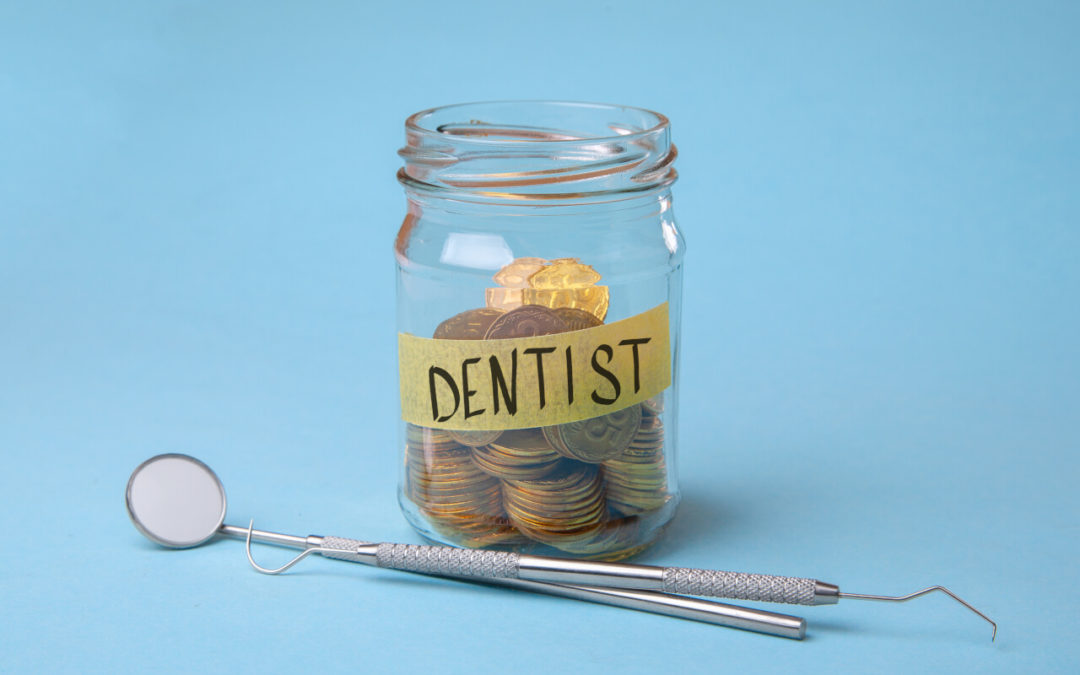
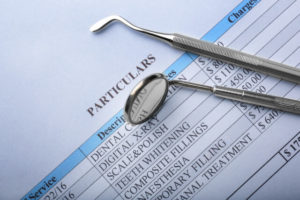
Dental treatment can be expensive especially if you are not covered by insurance. Dental payment plans help in spreading the treatment cost to make it more affordable. You may not have enough money to pay up the front bill. Visiting a dentist regularly can head off problems especially the cost. Before scheduling an appointment with your dentist, ask the different payment procedures.
Dental clinics have different payment procedures and discounts they offer their patients as one of their marketing strategies. There are also other marketing strategies to have new patients to come into your clinic. If you want to know how to run dental implant ads and have new patients, click on the link.
Payment plans you can consider:
Dentist discount plans
Your dentist may offer a 5-10% discount if you pay full-up front treatment. Even if you can’t afford the full amount, you can negotiate an inhouse payment plan. A long term patient with a good history can pay a third of the cost up-front with the balance spreading over the next one year. Some dentists offer an interest-free payment plan for 12 months. Beyond 12 months, they may opt to charge some interest. It’s different from dental insurance in that there are no deductibles or co-insurance. The only downside of this plan is that you are limited to the dentist in your location. In addition, manufacturers of certain brands may have a special arrangement with certain dentists.
Get financing from a third-party finance company
It’s not a type of insurance but a way of spreading the cost of your treatment. Many dentists have arrangements with particular companies that you can choose to finance your treatment. You will borrow the funds and then make monthly repayments.
Dental insurance
This is considered as the best way to pay your dentist. However, some dental procedures like cosmetic work and teeth whitening are not covered by insurance. Insurance plans are subjected to annual and lifetime limits.
 Plan your treatment carefully
This mostly involves carrying out the urgent procedures and then you complete the less essential work later.
Shop around dentists near you
The cost varies from one dentist to another. This mostly depends on experience, location, and other business overheads.