Brushing your teeth is not enough to completely clean your teeth. We have heard that fact many times from our dentists and dental hygienists. These dental professionals even reiterate that flossing is a significant part of a proper oral health routine, but sadly most of us would take this practice for granted. To help gain perspective about how important this oral habit is, here are some flossing facts that we want to share with you.
7 Flossing facts
Flossing complements brushing
Did you know that brushing your teeth only removes approximately 70% of germs on the surface of your teeth? This fact is the reason why you are still vulnerable to developing tooth decay even if you brush twice a day. Flossing removes all food debris and particles stuck in between the tiny spaces of your teeth. This practice blocks the bacteria from eating leftover food and causing plaque and tartar buildup.
There is no perfect time for flossing
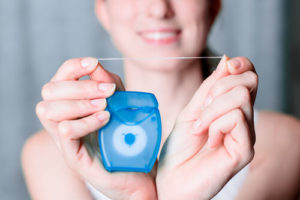
You can floss anytime you want, and the benefit stays the same. You can before or after eating breakfast, lunch, dinner, or snacks. Yes! Just floss your teeth once a day and pair it with brushing twice daily, and you can distance yourself from the threat of having cavities.
There is a proper way of flossing
Using a flossing thread measuring between 18 and 20 inches long, wrap each end on both your middle fingers. Leave at least 3-4 inches free and hold the middle part with your index and thumb fingers. Gently insert the floss between the spaces of the teeth and rub the thread up and down. Do this repeatedly to each surface of the teeth using a different facet of the floss, adjusting the thread so a new side gets to floss a new interdental space. The length of the floss you use ensures that you have enough clean floss surface to use and that the thread can be firmly grasped while in use.
There are different kinds and flavors of flosses
Yes, you read it right! Floss threads made using nylon or silk are called multifilament flosses, while floss string made with plastic, rubber, or polytetrafluoroethylene (PTFE) are called monofilaments. Of these materials, the nylon flosses are the cheapest and most common, and the plastic or rubber flosses are the most expensive and new. These dental threads also come in different flavors to attract kids and kids at heart to floss and make it more enjoyable. Expect that you will see floss flavors in cinnamon, bubblegum, and even bacon!
Once you start flossing, make it a habit
The reason is that once you irregularly floss your teeth, the more your teeth and gums would become sensitive to it. Most people who tried flossing the first time feel scared because their gums bled during the procedure, or that they feel some discomfort while cleaning their teeth. These complaints are usual with flossing, and you can expect that once you get the hang of it and us do it every day, your gums would adjust and the bleeding, irritation, and discomfort will subside and disappear.
Patients with braces can floss too!
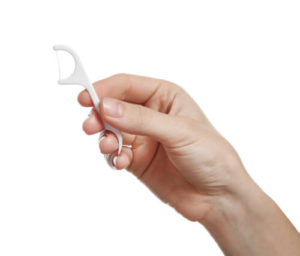
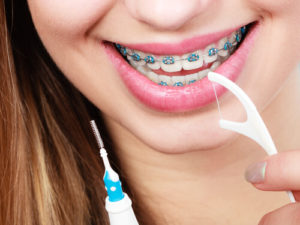
Orthodontic procedures that use wires and brackets may make flossing sound like a frustrating dental habit. Can you imagine trying to slide the threads in between your teeth without breaking or displacing the wires and gears of your dental braces? But orthodontists advise their patients that they can still floss their teeth even if they have metal parts attached to their teeth. Using interdental brushes, floss threaders, and floss picks, you can easily remove food particles stuck in between your teeth without having the thread break easily because of your orthodontic treatment.
Kids should start flossing early
You do not need to have a complete set of permanent teeth to start flossing. Do you know that once a child develops teeth that grow side to side, it is the start of his flossing journey? This is one of the flossing facts that sounds ridiculous but true. Besides, there is no harm done if we train them to start early, right?
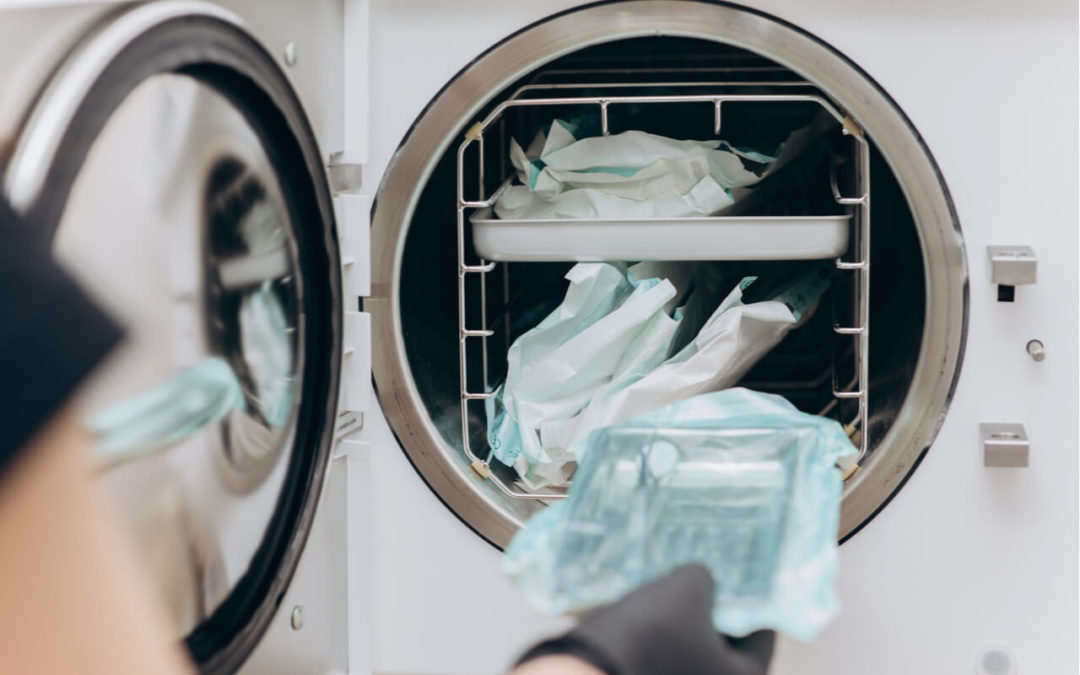
If you are looking for a dental autoclave for sale, this article will help you make the right choice for your dental clinic. Here we will talk about how to choose an autoclave and how it can benefit your dental practice. After reading the article, you can visit this link to see the product, to help you out in making your decision.
Why is a dental autoclave needed?
A dental autoclave is an essential part of a dental practice. Choosing the right autoclave will make it much easier for the cleaning and sterilizing of materials and tools that will be used in the various dental procedures that happen in the daily operations of a dental clinic.
Simply washing the dental tools and materials is not enough to ensure that they will be safe for the use of patients. Steam sterilization is the key to making sure that all the microbes, germs and bacteria will be killed and removed, making the tools safe for use on the next patient.
How to choose the right autoclave for your practice
Before buying the autoclave that you are going to use in your dental office, it is important to think about a few considerations before you settle on a final choice.
Brand or provider. Choose a brand that has shown success in the field and has been around for a considerable amount of time already. Make sure also that the brand you choose provides a good warranty in case your unit will need repairs and maintenance in the future.
Features. Look for the features you need in the unit you are going to purchase. Take into account what kind of tools and materials you have. Look at the features of the autoclave and see if the features are compatible with your tools and materials.
The volume of the items. Consider how many tools you are going to use in your dental practice. These are the tools that will take up space in the autoclave. You have to make sure that all the tools you have can be cleaned by the autoclave promptly.
Reliability. The unit you choose has to be reliable and should be able to withstand the heavy usage that it will have to endure. The unit has to be reliable as it will be used daily.
Ease of operation. You have to make sure that the machine you choose to buy has an easy and straightforward operation style.
Final thoughts
If you are searching for a dental autoclave for sale, think about the considerations mentioned above. Getting an autoclave is important for your dental practice. It is impossible to clean dental tools with the use of water and soap only. To prevent infections and bacterial transfer from patient to patient. It will also prevent any bacteria from infecting you as well.
An autoclave will help your dental practice in many ways. It will improve patient satisfaction ratings and also greatly optimize the time it takes for things to get done in your dental clinic.
Steps to further improve the quality of dental health care are obviously seeing the light. Thanks to the many research and development led by professional dental care providers, patients may choose the best option suitable for their gums and teeth. Seeing someone smile again as wide as they can is not a dream anymore. Restore your smile with a long-lasting dental implant treatment or a full-mouth reconstruction, and go to www.bnsdentalimplantsmelbourne.com.au.
Most ideal implants revolve around stability, comfort, and quality. The difference in materials of implants seen in most medical or dental surgeries greatly impacts the patient. What your dentist will choose according to your dental problem is also something of your concern.
There are many dental services available in clinics that you can choose from. Among these famous implants include proven traditional implant procedures or dental technologies. Depending on the availability of bones in your mouth, these dental implants are definitely what you’ll often see in dental clinics.
3D Imaging Dental Implants
Modern imaging techniques for diagnosing a dental problem has already arrived. With the use of 3D printing, dental health care providers may customize a person’s dental implant. Similar to the use of clear retainers in the commercial market, 3D implants set a new standard for the dental industry. This gives more opportunities to treat surgeries as it is also possible to do 3D printing with other parts of the body such as the legs or jaw.
All-In-4 Dental Implants
Although it may be an old dental practice, all-in-4 dental implants are still useful for patients that have one or more teeth that need replacing. They are mostly bridged, with 4 or 6 screws attached to the implants forming a stable structure for the screws. Patients that get all-in-4 dental implants are usually those who have huge gaps in their teeth from sports injuries or traumatic accidents.
So What Are The Types of Dental Implants?
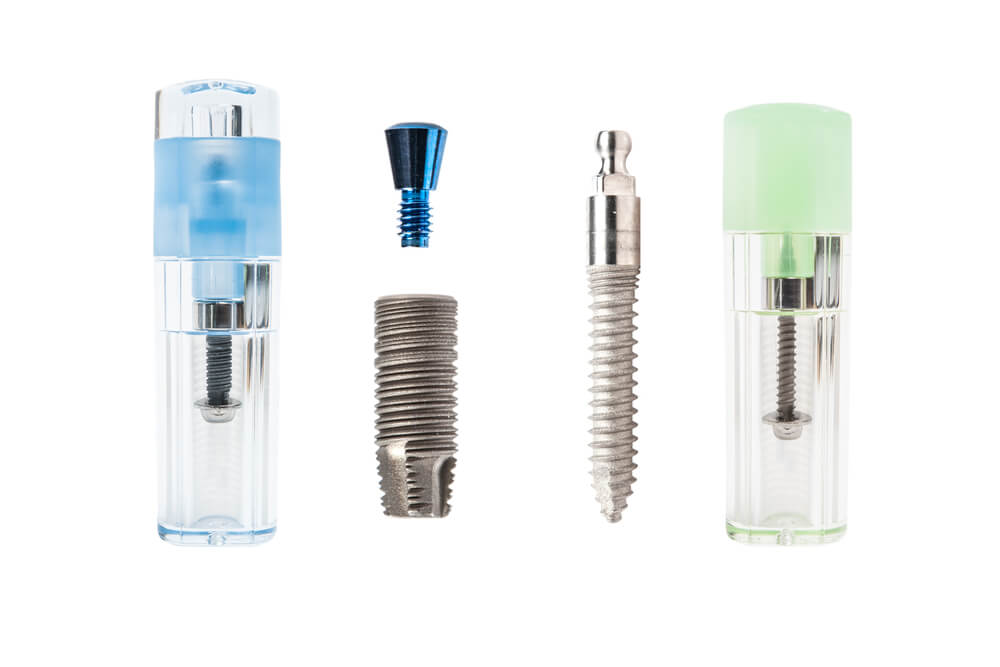
There are two major types of dental implants that a patient can avail of. Endosteal implants are small screws attached to the jawbone for the stability of the prosthesis. They require people with healthy jawbones to ensure that they will adapt properly. This ideal implant type needs a two-stage procedure. Thus, the success of the procedure may take time to recover fully and heal. On the other hand, subperiosteal implants work under the gums or above the jawbones. This type of method is ideal for patients who are suffering from inefficient jawbone tissues. Patients that get these ideal implants for teeth need bone augmentation procedure first. From this method, the implants will get a better grip and stability to hold the prosthesis. On the other hand, materials used for these dental implants may differ as well. Patients can choose from zirconia or titanium steel to get the best results of a perfect smile. Check if you have allergies on either of the materials so you won’t get drastic negative results.
Your Dentist Knows The Best For You
In order to really get the ideal implant type that you are looking for, consult your doctor’s advice. The best implant is not really according to what you want. However, there are many options that you can choose from to have a more aesthetically pleasing look. Consider listening to what your doctor thinks is best for your dental issue. Don’t forget to prepare for the costs of having a dental implant. Most are covered by health insurance and other medical help available from the government. You can check out St Leonards Dental’s website if you’re looking for quality implants in Sydney.
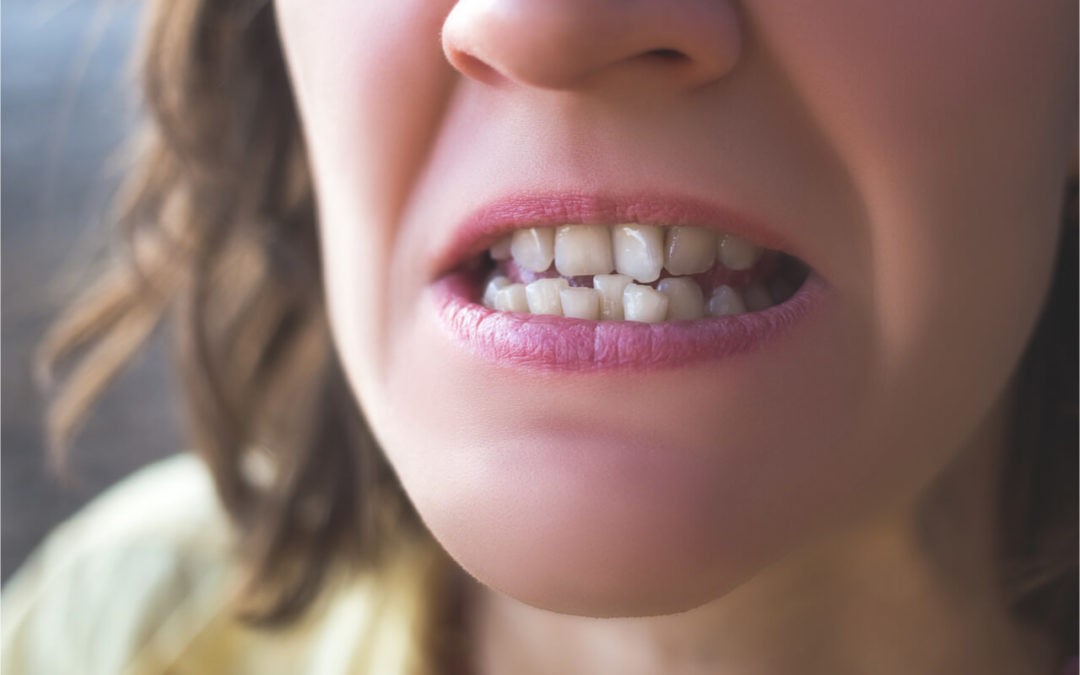
Every time you see those celebrities popping up on various advertising ads like magazines and billboards, you can’t help but admire the perfection of their smile. That’s because their teeth are treated in a red carpet manner since that’s their job – to maintain handsome and gorgeous. The causes of crooked teeth they’ve experienced have been treated. So, if you want to have those same perfect smiles, you can visit Beyond 32’s clinic near Pennant Hills, or you can read further to know more.
Yes, genetics can be a contributing factor to crooked teeth, the same way we developed the color of our hair and how tall we are. But there are cases where the crooked teeth are due to the size of the mouth, which may have also been inherited from previous generations. A mouth that has a small size on one side can result to crowded teeth, leading to the shift on the other side.
Unhealthy Lifestyle Habits
It may seem cute to see babies regularly sucking their thumbs. But continuing this habit as the baby grows up can trigger a ripple effect. An infant who always thumb sucks or sucks on a pacifier to self-tooth can have side effects. One of the most common would be crooked teeth.
Surprisingly, there are other habits that may seem harmless, but can actually contribute to crooked teeth. Such habits include tongue thrusting and mouth breathing.
Sickness or Injury
Any kinds of injury that leads to facial trauma can displace the teeth. When you lose a tooth due to an underlying condition or injury, the remaining teeth gradually shifts to that open space, hence, affecting the alignment.
If you’re experiencing this case, it’s best to talk to an orthodontist right away. You need to know that bodies which are affected by injury or sickness are more at risk of getting serious consequences compared to unhealthy lifestyle habits.
Wrong Timing
It’s very common for parents to overlook the oral cavity condition of their babies. Even if the baby still has primary teeth, it’s important to have it checked regularly. The permanent teeth will be affected to whatever condition the primary teeth are in as of the moment.
Primary teeth should be handled with utmost care. Otherwise, it’s going to end up pretty bad and the permanent set of teeth will be severely affected. Prevent the spread of oral bacteria to your baby’s gums. When bacteria invades the permanent tooth which is still inside the enamel, erosion takes place and your permanent tooth will have a hard time erupting.
Crooked Teeth Treatment Options
As early as possible, it’s important for the child to start having a regular visit to the dentist, even if the set of primary teeth has only partially erupted. Frequent visit and monitoring will ensure that the child’s oral cavity is in good hands.
TMJ specialists are very useful health care providers these days because of their talent on how they can address TMJ disorders. Are you looking for a TMJ specialist near Sydney? Then here’s a heads up before talking to one.
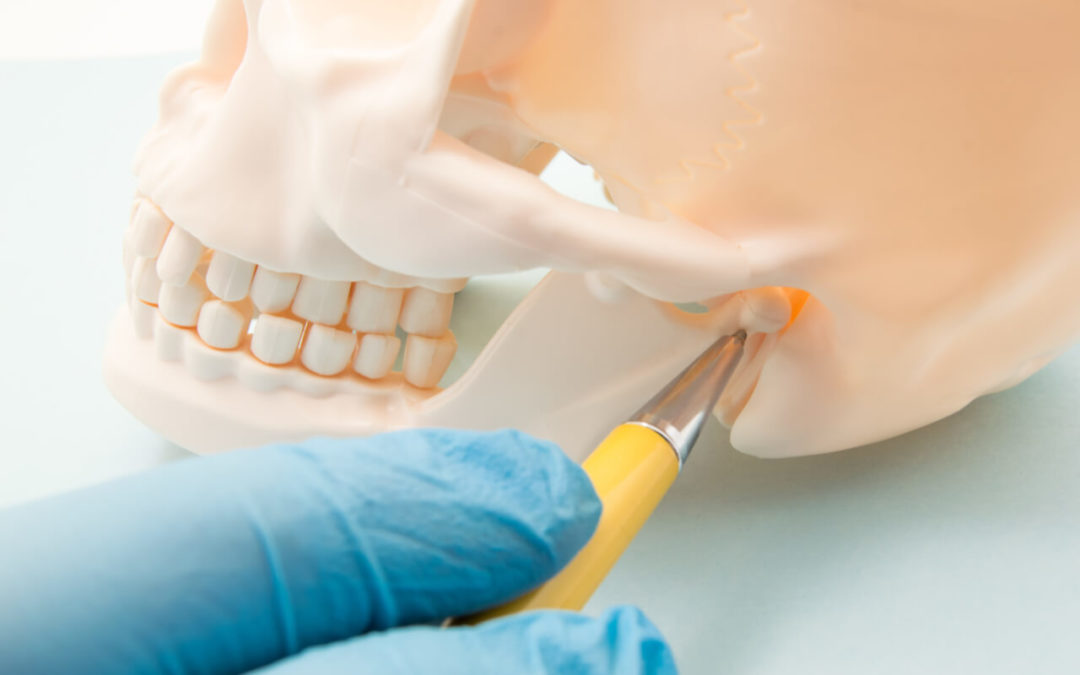
Temporomandibular joint or TMJ for short is the joint connecting your skull to your lower jaw or the mandible. Its function is to enable the jaw to close and open and also allows you to eat and speak. It has been termed as TMJ to connect it to a group of disorders related to this joint.
Studies revealed that TMJ disorders are more common among women than in men. Though they can be managed, it has a lot of causes, making the real cause difficult to diagnose. That’s why TMJ specialists are highly appreciated, knowing the complexity of the case.
Causes of TMJ Disorder
The real cause of a TMJ disorder is still unknown even up to this point. Though there are sayings that the joint or jaw is a contributor in the disorder, there are various health conditions that are said to contribute to the development of the disorder. Here are some of them.
Joint erosion
Arthritis
Habitual teeth clenching or grinding
Congenital jaw problems.
There are also some factors known to contribute to the development of TMJ but are not considered the primary cause. Some of them include:
Wearing of orthodontic braces
Sleep deprivation
Unhealthy diet
Chronic stress
Improper posture that gives strain to the facial and neck muscles
Malocclusion, or an abnormal change in the alignment of the upper and lower teeth
The symptoms may be manifested either on one or both sides of the face.
How TMJ Specialists Treat TMJ Disorders
For mild disorders, TMJ specialists would usually recommend home care remedies or apply self-practices. Here are some suggestions to easy the symptoms:
Apply ice to minimise swelling
Limit jaw movements
Go on a soft diet
Avoid intake of hard-to-chew foods like beef jerky or gum
Limit stress
Practice jaw-stretching exercises to promote jaw movement improvement
If for some instance that home care remedies aren’t effective, TMJ specialists may recommend the following methods:
Analgesics such as Ibuprofen
Muscle relaxants such as Valium
Corticosteroids or drugs to reduce swelling
Stress-reducing therapies
The last resort to address TMJ disorders would be joint replacement surgery, arthrocentesis or the removal of debris or fluid from the join and dental treatment to properly realign the bite and teeth.
Most TMJ disorder cases require lifestyle modifications accompanied with prescribed medication to lessen episodes of discomfort and pain. It’s highly recommended to have regular consultation with TMJ specialists to effectively address the problem.

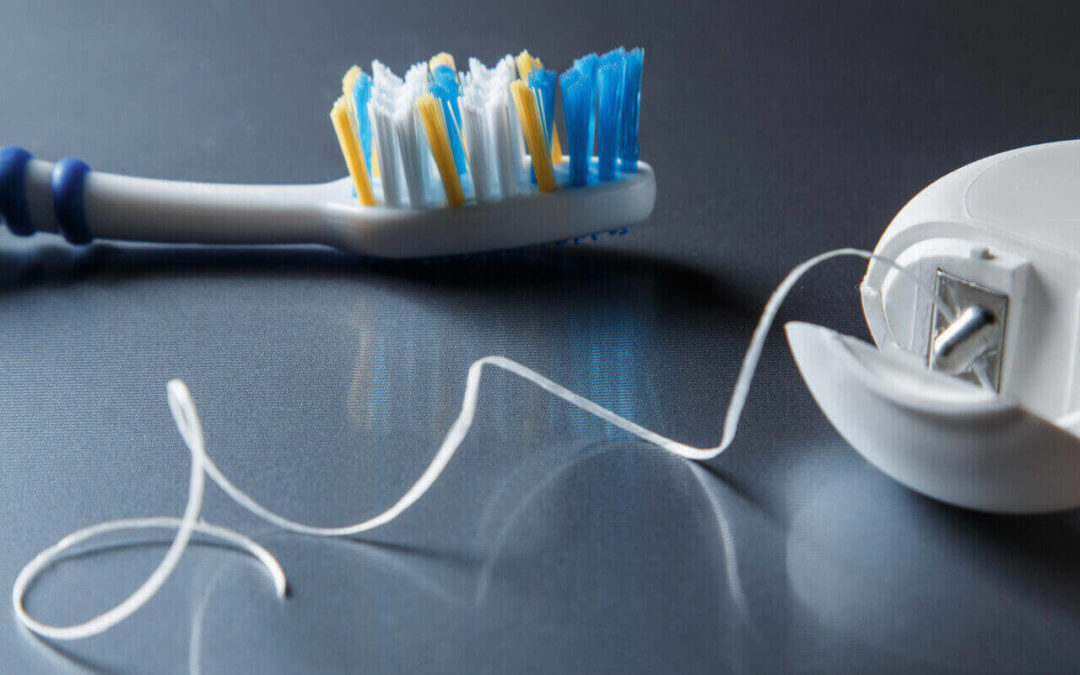
 You can floss anytime you want, and the benefit stays the same. You can before or after eating breakfast, lunch, dinner, or snacks. Yes! Just floss your teeth once a day and pair it with brushing twice daily, and you can distance yourself from the threat of having cavities.
 Yes, you read it right! Floss threads made using nylon or silk are called multifilament flosses, while floss string made with plastic, rubber, or polytetrafluoroethylene (PTFE) are called monofilaments. Of these materials, the nylon flosses are the cheapest and most common, and the plastic or rubber flosses are the most expensive and new. These dental threads also come in different flavors to attract kids and kids at heart to floss and make it more enjoyable. Expect that you will see floss flavors in cinnamon, bubblegum, and even bacon!
 Orthodontic procedures that use wires and brackets may make flossing sound like a frustrating dental habit. Can you imagine trying to slide the threads in between your teeth without breaking or displacing the wires and gears of your dental braces? But orthodontists advise their patients that they can still floss their teeth even if they have metal parts attached to their teeth. Using interdental brushes, floss threaders, and floss picks, you can easily remove food particles stuck in between your teeth without having the thread break easily because of your orthodontic treatment.