Dry needling has become a popular method of addressing musculoskeletal pain, particularly in physical therapy settings. It involves inserting fine needles into specific points in the muscles, known as trigger points, to relieve pain and restore normal muscle function. While this treatment has shown benefits for conditions like neck pain, some patients report experiencing unexpected side effects, such as toothaches. So, will dry needling of the neck give me a tooth ache, and what exactly is behind this phenomenon?
Understanding Dry Needling and Trigger Points
Dry needling is often used to target myofascial trigger points, which are tight bands or knots within a muscle. These trigger points can contribute to pain and tension, not only in the affected area but also in seemingly unrelated parts of the body—a phenomenon known as referred pain. Referred pain is common in patients with myofascial pain syndrome, where pain from trigger points in one area manifests in another region, sometimes leading to confusion about the actual source of discomfort.
Trigger point dry needling is a physical therapy technique that aims to relax these myofascial trigger points by inserting needles into them, stimulating the muscles to release tension. This can help relieve pain and restore a normal range of motion in areas affected by trigger points, including the neck.
The Relationship Between Neck Pain and Toothaches
The neck is a complex structure involving muscles, nerves, and joints that are all interconnected with other parts of the body. It’s not uncommon for pain in the neck to lead to discomfort in nearby regions, including the head and jaw. For instance, head and neck pain can sometimes extend into the jaw, and this could explain why some patients report toothaches after dry needling in the neck area.
When asking, “Will dry needling of the neck give me a toothache?” the answer is that while it is not a common side effect, it is possible due to the intricate connections within the musculoskeletal and nervous systems. In some cases, stimulating a trigger point in the neck might cause referred pain in the jaw or teeth, mimicking the sensation of a toothache.
How Referred Pain Works
To understand how dry needling might result in a toothache, it’s essential to recognize how referred pain operates. When trigger points in the neck are activated, they can send pain signals to the jaw, face, or head due to shared nerve pathways. This could create the sensation of a toothache, even though the actual source of the pain is in the neck muscles.
Patients with conditions such as myofascial pain syndrome or chronic pain conditions may be more prone to experiencing referred pain. Additionally, if you have underlying issues like herniated discs, which can lead to neck pain, the pressure on nerves could contribute to the likelihood of developing referred pain to other areas, such as the teeth or jaw.
The Role of Dry Needling in Physical Therapy
Many physical therapists use dry needling as part of comprehensive physical therapy treatments for a wide range of conditions, including neck pain, shoulder pain, and even impingement syndrome elbow pain. By targeting trigger points, they can help restore normal muscle tones and achieve pain relief in muscles that are tight or overactive. Patients suffering from rotator cuff muscle tears, carpal tunnel syndrome, and wrist pain may also benefit from this therapy.
However, it’s important to understand that dry needling isn’t a standalone treatment. It is usually combined with other physical therapy approaches, such as stretching, strengthening exercises, and manual therapy, to enhance results and reduce the risk of referred pain or other side effects.
Factors That May Contribute to Toothache-Like Sensations After Dry Needling
Several factors might make someone more prone to experiencing a toothache following dry needling of the neck:
Sensitive Nerve Pathways: The nerves in the neck are closely linked to the nerves in the face and jaw. Stimulating a trigger point in the neck could irritate these nerves, potentially leading to pain that feels like it originates from the teeth.
Previous Jaw or Dental Issues: If a patient has a history of dental problems or temporomandibular joint (TMJ) dysfunction, neck pain or treatment in the neck region could exacerbate or trigger jaw discomfort, possibly leading to a toothache. To know more about toothaches, please consult a D’vine Smiles dentist in Greensborough today.
Referred Pain from Myofascial Trigger Points: Patients with myofascial pain are more likely to experience referred pain. Dry needling of trigger points in the neck could potentially activate this referred pain, manifesting as discomfort in the jaw or teeth.
Involuntary Spinal Cord Reflex: During dry needling, it’s possible to stimulate reflexes that affect muscles and nerves in unexpected ways. This can sometimes lead to temporary sensations of pain in other parts of the body, including the face or jaw.
Dry Needling and Its Effectiveness in Managing Pain
Despite the possibility of referred pain, dry needling remains an effective tool for managing musculoskeletal pain. It is frequently used to treat a variety of conditions, such as:
Chronic pain conditions like lumbar degenerative disc disease and degenerative joint disease
Hip pain, knee pain, and heel pain
Shoulder pain caused by rotator cuff muscle tears
Carpal tunnel syndrome and hand and wrist pain
Impingement syndrome elbow pain
The goal of dry needling is to alleviate pain and discomfort by relaxing trigger points and improving the affected muscle’s range of motion. When used alongside other physical therapy techniques, patients often experience long-term improvements in their symptoms and overall mobility.
Safety and Risks
While dry needling is generally considered safe, it’s not without potential side effects. Patients may experience mild soreness at the treatment site, bruising, or, in rare cases, referred pain to areas like the jaw or teeth. However, serious complications are extremely rare when dry needling is performed by a licensed, trained professional.
To minimize risks, it’s important to work with a skilled physical therapist who can assess your individual needs and create a personalized treatment plan. This helps ensure that you receive the appropriate care for your specific condition, reducing the likelihood of unintended side effects such as referred tooth pain.
Conclusion: Will Dry Needling of the Neck Give Me a Toothache?
To answer the question, “Will dry needling of the neck give me a toothache?”—the possibility exists, but it’s not a typical side effect. The sensation of a toothache following dry needling in the neck is likely due to referred pain from trigger points, which can send pain signals to the jaw or teeth due to shared nerve pathways. While this is a rare occurrence, it can happen, particularly in individuals with myofascial pain syndrome or pre-existing dental issues.
Dry needling remains a highly effective treatment for many forms of musculoskeletal pain, including neck pain, shoulder pain, and other chronic pain conditions. By addressing trigger points and improving range of motion, patients can achieve pain relief and better manage conditions such as degenerative joint disease, herniated discs, and chronic pain. If you’re concerned about potential side effects, including toothaches, it’s best to discuss these with your physical therapist to ensure the treatment is right for you.
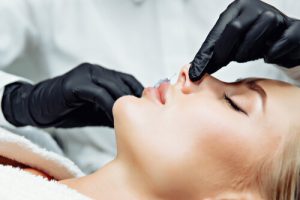
Exploring the rhinoplasty swelling stages offers valuable insights into the natural healing progression after nasal surgery. Each stage reflects the body’s response to the procedure and influences the emerging appearance of your new nose. Understanding these phases can enhance your patience and preparedness from initial puffiness to gradual subsidence. What should you anticipate in the days and weeks following your rhinoplasty procedures? Join us as we delve into the critical milestones of the post-surgical journey, providing a glimpse into what lies ahead.
Rhinoplasty Swelling Stages: What to Expect Post-Surgery
Understanding the rhinoplasty swelling stages post-surgery is crucial for anyone considering or undergoing this transformative cosmetic procedure. Swelling is a natural body response and a significant part of the healing process after a rhinoplasty, affecting everything from the nasal tissues to the overall contour skin texture of the new nose.
Initial Response:
Immediately following the rhinoplasty procedure, expect significant swelling, especially in the first week. This acute swelling is your body’s way of starting the healing process.
Managing Early Swelling:
Keeping your head elevated, even when sleeping, and using cold compresses can help reduce the initial swelling and discomfort.
Progress Through Stages:
Swelling after rhinoplasty typically diminishes in phases. The most dramatic reduction usually occurs postoperative swelling in the first month, as the major swelling subsides and the shape of the new nose starts to become apparent.
Long-Term Healing:
Residual swelling, particularly around the nasal tip and bridge, may persist for several months and up to a year. This prolonged swelling is normal and gradually resolves as the nasal skin and tissues adapt to their new structure.
Influence on Results:
Uneven swelling can temporarily affect the symmetry of the nose, so patience is essential. The final shape of the nose is often not visible until all swelling has completely subsided.
Postoperative Care:
As advised by your surgeon, avoid strenuous exercise, weight-bearing activities, and blood-thinning medications to promote wound healing and prevent complications.
Immediate Postoperative Phase: The First 24 Hours
The immediate postoperative phase following a rhinoplasty procedure is crucial for setting the stage for a successful recovery. This initial 24-hour period involves several key aspects of care and monitoring to ensure optimal outcomes and manage any immediate complications.
Medical Monitoring: Right after the surgery, patients are typically observed in a recovery area where healthcare professionals monitor vital signs, manage pain, and check for any signs of complications. It’s essential during this period to ensure that the initial recovery is proceeding without issues.
Pain Management: Prescribed medications manage pain in the immediate postoperative period. Patients must communicate their pain levels to adjust medications accordingly to ensure comfort without compromising safety.
Reducing Swelling and Bleeding: To minimise swelling and bleeding, the head should be kept elevated higher than the heart. Ice packs or cold compresses may also be used to help reduce swelling, but they should be done under the guidance of a surgeon to avoid any damage to the nasal tissues.
Care of Nasal Dressings: Nasal dressings, splints, and possibly packing inside the nostrils are typically placed to support the new bone structure out of the nose and reduce bleeding. Patients are instructed on how to care for these dressings and are usually scheduled for a follow-up visit to remove or adjust them.
Hydration and Rest: Maintaining hydration by drinking fluids and resting is vital for supporting the body’s healing process. However, patients should avoid drinking from a straw as the sucking motion can exacerbate swelling.
Postoperative Instructions: Patients receive detailed instructions regarding rest, medication, dealing with nasal congestion, difficulty breathing without blowing their nose, and signs of complications that should prompt immediate contact with their surgeon.
Short-Term Swelling: The First Week After Surgery
The first week after rhinoplasty surgery is critical for managing short-term swelling, a normal part of the healing process. During this initial week, rhinoplasty patients will experience the most noticeable swelling, which affects both the appearance and sensation in the nasal area.
Peak Swelling: Typically, swelling peaks around the second or third day post-surgery. The face may appear significantly swollen, and the areas around the eyes and cheeks can also exhibit bruising and puffiness.
Care Strategies: To effectively manage this swelling, patients must keep their heads elevated, even when sleeping. This helps to reduce the gravitational pull on fluids, thereby decreasing swelling.
Cold Compresses: Applying cold compresses around, but not directly on, the nose can help reduce swelling and provide relief. Using these compresses as the surgeon directs is important to avoid any potential damage to the sensitive nasal tissues.
Medication: Anti-inflammatory medications may be prescribed to help reduce swelling and discomfort. It’s crucial to take these medications according to the surgeon’s instructions.
Limiting Activities: Patients should avoid strenuous activities and any actions that might increase blood pressure, which can worsen swelling. Gentle walks are encouraged to promote good circulation.
Follow-up Visits: During the first week, follow-up visits are typically scheduled to remove splints or dressings and check on healing progress. These appointments also allow the surgeon to evaluate the swelling and provide additional care instructions.
Nutrition and Hydration: Eating a healthy diet rich in vitamins and keeping well-hydrated can also support the body’s natural healing processes and help reduce swelling more effectively.
Intermediate Phase: Swelling Reduction and Contour Refinement
The intermediate rhinoplasty recovery phase, typically from the second week to the third month post-surgery, is crucial for observing swelling reduction and the emerging contours of the newly shaped nose. This recovery period is marked by significant changes that gradually reveal the surgery’s outcomes.
Swelling Reduction: During this phase, the noticeable swelling from the first week begins to subside. Patients will start to see a reduction in the overall puffiness and notice the finer details of their nasal contour becoming more apparent.
Contour Refinement: As the swelling decreases, the true shape of the nose starts to emerge. The nasal tip, often the last area to resolve swelling, begins to show its refined shape. This is a time when the subtleties of the rhinoplasty procedure become more evident, including the reshaping of the nasal bridge and the definition of the nasal tip.
Patient Monitoring: Regular follow-up appointments are crucial during this phase. These visits allow the surgeon to monitor the healing process and ensure the swelling reduces as expected. They also provide an opportunity to address any concerns the patient may have about their recovery or the appearance of their nose.
Continued Care Recommendations: Patients are generally advised to avoid strenuous activities and protect their noses from potential impacts. They should also continue sleeping with their heads elevated to help reduce residual swelling, especially at night.
Long-Term Expectations: Patients must understand that while much of the swelling diminishes during this intermediate phase, subtle swelling can persist, especially at the tip of the nose. Complete resolution of all swelling, allowing the final nose shape to be fully visible, may take up to a year or more.
Emotional and Psychological Adjustment: Patients often adjust psychologically to their new appearance as the new nasal contours become more defined. This can be a period of emotional ups and downs as they get used to their new look and may require support from family, friends, or even professional counsellors.
Long-Term Healing: Final Stages of Swelling and Result Stabilization
The long-term healing phase of rhinoplasty recovery, extending from several months post-op to up to a year post-surgery, is critical for the final stages of swelling resolution and the stabilization of results. This period allows for the complete settling of tissues and the final refinement of the nasal structure.
Residual Swelling Dissipation: In the months following the intermediate phase, any residual swelling, particularly around the nasal tip, gradually dissipates. This slow resolution allows the final contours of the nose to settle into their permanent shape. The nasal tip, often the last to lose swelling due to its thickness and sebaceous skin, becomes more refined.
Result Stabilization: As the swelling subsides completely, the rhinoplasty results stabilize. This means the nose’s shape, size, and appearance will no longer change significantly. Patients can now fully appreciate the outcomes of their surgical procedure.
Surgeon Follow-ups: Continued follow-up appointments with the surgeon are important during this phase to monitor the long-term health of the nasal structures and the integrity of the surgical results. These appointments are also a good opportunity for the surgeon to assess the need for revisions or adjustments, although such needs are relatively rare.
Care Recommendations: While most normal activities can be resumed, protecting the nose from potential trauma is still advisable. Patients should continue to use sun protection on their noses to prevent hyperpigmentation and maintain the aesthetic results of the surgery.
Emotional Adjustment Completion: This phase often marks the completion of the emotional adjustment to the new look. Most patients have fully adapted to their new appearance, and their initial emotional response to the change has stabilized.
Final Assessment: A final assessment is typically made at the one-year mark. This is the endpoint of the rhinoplasty recovery process when the healed nose is expected to have achieved its final form, function, and appearance.
Tips and Tricks for Managing Swelling Throughout Your Recovery
Managing swelling effectively throughout the recovery process after rhinoplasty is crucial for achieving the best possible outcomes and ensuring a smooth healing journey. Here are some practical tips and tricks to help control and minimize swelling at various stages of the rhinoplasty recovery stages:
Keep Your Head Elevated: During the first few weeks after surgery, keeping your head elevated above your heart helps reduce swelling. Use extra pillows, or even consider sleeping in a recliner to maintain elevation.
Apply Cold Compresses: In the initial days after surgery, applying cold compresses around (but not directly on) the surgical area can help reduce swelling and provide comfort. Follow your surgeon’s instructions on how often and long to apply these.
Stay Hydrated: Drinking plenty of water helps reduce fluid retention and swelling. Staying well-hydrated helps your body flush out toxins that can contribute to inflammation.
Follow a Low-Sodium Diet: Salt can exacerbate fluid retention and increase swelling. Keeping your diet low in sodium can help mitigate this effect.
Avoid Strenuous Activities: Physical exertion can increase blood pressure and swelling. Avoid strenuous activities and heavy lifting for at least the first few weeks or as your surgeon directs.
Use Arnica: Some patients find homeopathic remedies like Arnica Montana to help reduce bruising and swelling. These remedies are available in topical and oral forms and can be used after consulting with their surgeon.
Limit Exposure to Heat: Avoid hot showers, saunas, and steam rooms, as heat can increase swelling. Opt for lukewarm showers and keep your face away from direct hot water.
Avoid Alcohol and Smoking: Both can delay the healing process. Alcohol can cause fluid retention, while smoking reduces blood flow, both of which can worsen swelling.
Control Your Environment: Try to stay cool since heat can exacerbate swelling. Use air conditioning when necessary to maintain a comfortable temperature.
Regular Follow-Up Visits: Keep all scheduled appointments with your surgeon. These visits allow your surgeon to monitor your healing and adjust your postoperative care plan.
Navigating the rhinoplasty swelling stages is crucial to your smooth recovery journey, offering a clear glimpse into the healing process and outcomes. Understanding what to expect at each stage allows you to manage your recovery more effectively and set realistic expectations for your new look. Remember, each phase brings you one step closer to seeing the full benefits of your rhinoplasty—patience and care are your best allies.
References
Rhinoplasty (Nose Job): Surgery, Recovery, Before & After
Undergoing deviated septum surgery can be a transformative experience for those suffering from nasal blockages, but it often comes with post-operative bruising. What exactly causes this bruising, and how long will it last? This article explores the nuances of recovery from deviated septum surgery, offering insights into what patients can anticipate regarding bruising and healing. Stay tuned as we delve deeper into effective strategies to minimise discomfort and accelerate recovery.
Understanding Deviated Septum Surgery: An Overview
Deviated septum surgery, commonly known as septoplasty surgery, is designed to correct the misalignment of the nasal septum, the thin wall between the nasal passages. Often, this misalignment contributes to significant breathing problems and other nasal issues, impacting overall quality of life.
Purpose of Surgery: The primary goal is to correct the deviation to improve nasal function and alleviate symptoms such as nasal congestion and recurrent sinus infections.
Procedure Details: Typically performed as an outpatient procedure, septoplasty involves a small incision in the nasal cavity to access the septum. Surgeons may trim, reposition, or replace the bone and cartilage to achieve a straighter septum.
Anaesthesia and Duration: The surgery usually requires general anesthesia and lasts about 60 to 90 minutes, depending on the complexity of the deviation and whether additional procedures, like sinus surgery, are necessary.
Immediate Post-Operative Care: Post-surgery patients might experience nasal congestion due to swelling or nasal packing, which helps support the new septum position. Pain relievers are frequently recommended to alleviate discomfort.
Recovery and Healing: The recovery process involves several weeks of healing, with the first week being crucial for managing symptoms like excessive bleeding and swelling. Patients are recommended to maintain an elevated head position, steer clear of vigorous activities and use cold packs to minimise swelling.
Long-Term Benefits: Successful surgery can significantly improve nasal breathing, reduce nasal blockage, and decrease related conditions such as sleep apnea and chronic sinusitis.
Follow-Up and Monitoring: Routine check-ins with the healthcare provider are crucial to oversee the healing progress and manage any complications. Adhering to post-operative care guidelines and promptly addressing any concerns supports optimal healing and successful recovery.
In conclusion, the septoplasty procedure offers a solution for individuals suffering from complications related to a deviated septum. It aims to improve nasal function and enhance the quality of life.
Common Post-Surgical Symptoms: Focus on Bruising
After undergoing deviated septum surgery, patients can expect a variety of common post-surgical symptoms, with bruising being one of the most noticeable. Understanding these symptoms is crucial for managing expectations and effectively aiding recovery.
Appearance of Bruising
Bruising around the nose and under the eyes is common due to the sensitivity of the facial tissues and the proximity of the blood vessels to the surface. This bruising can vary in colour from light blue to deep purple and typically fades within two weeks.
Swelling
Alongside bruising, swelling is a normal body response to surgery. Swelling can affect the nose and surrounding facial areas, potentially altering speech and breathing temporarily.
Nasal Congestion
Due to internal changes and healing tissues, patients often experience significant nasal congestion. This can last until the nasal passages heal and swelling subsides, usually taking a few weeks.
Pain and Discomfort
It’s normal to feel pain, especially in the first few days after the procedure. Most patients will manage pain with prescribed medication or over-the-counter options as recommended by their healthcare provider.
Bleeding
Minor bleeding from the nose is common immediately after surgery and during the first few days of recovery. To avoid or decrease the risk of disrupting the healing tissues, patients are advised to gently dab their noses rather than wiping or blowing them.
Dryness and Crusting
As the nasal cavity heals, there may be a period of dryness and crusting inside the nose. Saline sprays and humidifiers can help alleviate these symptoms by moistening the nasal passages.
Sensitivity to Temperature and Touch
The surgical site may be particularly sensitive to touch and temperature changes. Patients are advised to avoid extreme temperatures and to handle the area gently.
By recognising and understanding these symptoms, patients can take appropriate measures to ensure a smoother and more comfortable recovery process. If symptoms like severe pain, excessive bleeding, or signs of infection occur, it is crucial to seek immediate medical attention.
Factors Influencing Bruising After Surgery
Bruising is a common and expected outcome following deviated septum surgery, but the extent and duration of bruising following postoperative complications can vary widely among patients. Several factors influence the severity and persistence of bruising, which can help patients and caregivers better anticipate and manage this postoperative symptom.
Individual Healing Rates: Everyone heals differently due to age, overall health, and genetic predispositions. Older adults, for example, may experience more pronounced bruising that lasts longer due to thinner skin and reduced collagen.
Surgical Technique and Experience: The method and precision of the surgical procedure greatly affect bruising. Surgeries involving more extensive tissue manipulation or those performed by less experienced surgeons may increase bruising.
Medication and Supplements: Specific medications and supplements may intensify bleeding and bruising. Substances such as blood thinners, aspirin, anti-inflammatory medications, and supplements like fish oil and vitamin E can heighten the risk of bruising.
Pre-existing Health Conditions: Conditions that affect blood clotting or vascular integrity, such as diabetes, liver disease, or vascular disorders, can lead to more significant bruising.
Nutritional Status: Adequate intake of vitamins and minerals that support skin health and blood clotting—such as Vitamin K, Vitamin C, and zinc—can help reduce the severity of bruising.
Lifestyle Factors: Smoking and alcohol consumption can impair the body’s ability to recover and can increase the risk of bruising. Conversely, adequate rest and hydration promote faster recovery and may reduce bruising.
Post-Operative Care: How well patients follow post-operative care instructions, especially in the first few hours and days after surgery, plays a critical role in the development of bruising. Keeping the head elevated, applying cold compresses to reduce swelling, and avoiding strenuous activities are all crucial steps to minimise bruising.
Understanding these factors allows patients to take proactive steps before and after surgery to minimise bruising and ensure a more comfortable recovery. If excessive bruising occurs, it is important to consult with a healthcare provider to ensure no underlying complications affect the healing process.
Timeline for Recovery: What to Expect After Surgery
Recovery after deviated septum surgery (septoplasty) varies from person to person, but a general timeline can help set expectations for the late recovery phase of the healing process. Here’s what patients can typically anticipate in the weeks following surgery:
Immediate Post-Operative Period (First 24 Hours)
Patients often experience grogginess from anesthesia, mild to moderate pain, and noticeable nasal congestion due to swelling and nasal packing if used. Some bleeding is common, and facial bruising may begin to appear.
First Week
During the first week, patients will notice an improvement in initial symptoms, but nasal congestion, some degree of pain, and bruising will continue. It’s important to keep the head elevated even when sleeping and apply cold compresses to help reduce swelling and bruising. Most patients will have a follow-up appointment to remove nasal packing or check the surgical site.
Second Week
Much of the bruising and swelling will have subsided by the second week. Patients often feel more comfortable, and the nasal congestion starts to clear. However, it’s still important to avoid strenuous activities that impact the healing process.
Weeks 3 to 4
By this stage, most patients report significant improvements in breathing and reduced symptoms associated with a deviated septum. However, some mild swelling may still be present internally, affecting nasal airflow’s outcome.
One to Three Months
The healing process continues, and the internal tissues gradually settle into new positions. Patients should see the full benefits of the surgery, including improved nasal breathing and reduced recurrent sinus infections.
Six Months and Beyond
By this time, any subtle swelling should be resolved, and the nasal structure fully healed.This marks the final phase of recovery, with patients enjoying the long-term benefits of the surgery.
To ensure a smooth recovery, patients should follow their surgeon’spost-operative instructions closely and attend all scheduled follow-up appointments. While the general timeline provides a framework, individual recovery rates can vary based on overall health, age, and adherence to care instructions. Consulting with a healthcare provider is crucial if any unusual symptoms or prolonged pain occurs.
Effective Management of Post-Surgical Bruising
Managing post-surgical bruising effectively is crucial for a comfortable recovery after deviated septum surgery. Here are key strategies to help minimise bruising and accelerate the healing process:
Cold Compresses: Applying cold compresses to the cheek and eye areas (not directly on the nose) can significantly reduce swelling and bruising. This should be done for the first 48 hours after surgery in intervals of 20 minutes on and 20 minutes off.
Elevate Your Head: Keeping your head elevated above the level of your heart, especially during sleep, helps reduce blood pressure in the nasal area, thus minimising bruising and swelling. Use extra pillows to prop yourself up.
Arnica Montana: This natural supplement is often recommended to help quickly reduce bruising and swelling. Available in topical and oral forms, Arnica can be started a few days before the surgery and continued post-operation.
Avoid Blood-Thinning Medications: Before and immediately after the surgery, avoid medications and supplements known to thin the blood, such as aspirin, ibuprofen, vitamin E, and omega-3 fatty acids, unless otherwise advised by your healthcare provider.
Stay Hydrated: Drinking plenty of fluids aids the overall recovery process and helps the body flush out toxins that may contribute to prolonged bruising.
Avoid Strenuous Activities: Activities that increase heart rate and blood pressure can exacerbate bruising and swelling. Avoid strenuous exercise and heavy lifting for at least two weeks after the surgery.
Proper Nutrition: Foods rich in Vitamin C, Vitamin K, and zinc can promote healing and strengthen blood vessels, which can help reduce bruising. Incorporate oranges, leafy greens, and lean proteins into your diet.
Limit Sodium Intake: Excessive salt can exacerbate swelling and bruising. Reducing sodium intake can help mitigate these symptoms during the recovery phase.
By implementing these strategies, patients can manage bruising more effectively and contribute to a quicker and smoother recovery, ensuring optimal outcomes from their deviated septum surgery.
When to Seek Medical Attention for Bruising
After deviated septum surgery, some degree of bruising is normal, but certain signs indicate it’s time to seek medical attention. Understanding when bruising and other symptoms cross the line from typical to potentially problematic is crucial for safe recovery and proper healing.
Excessive or Increasing Bruising: If bruising around the eyes or cheeks worsens over time instead of improving, it may be a sign of an underlying issue, such as excessive bleeding or an infection.
Bruising Accompanied by Severe Pain: While some discomfort is expected after surgery, severe pain accompanying the bruising, especially if it intensifies, warrants a prompt medical check. This could indicate complications like a hematoma (a collection of blood outside blood vessels) or infection.
Bruising That Spreads or Changes Color Dramatically: If you notice the bruising spreading significantly or the colour turning dark red or black, this could be a sign of more serious complications requiring immediate medical intervention.
Signs of Infection: If the bruised area is warm to the touch, exhibits red streaks, or develops a fever, these are potential indicators of an infection.
Difficulty Breathing: Although nasal congestion is typical after nasal surgery, if you experience a sudden worsening in breathing or feel like your airways are blocked, especially accompanied by bruising, seek emergency care.
Unusual Symptoms: Any additional symptoms such as dizziness, persistent headache, or vision changes associated with the bruising should be evaluated by a healthcare professional as they may reflect more serious complications.
No Improvement: If the bruising has not begun to improve within a week or two, or if new bruises continue to appear without clear cause, it’s important to consult your doctor to ensure there aren’t deeper issues at play.
By staying vigilant and responsive to these warning signs, patients can address potential complications early, helping to ensure a healthy and effective recovery following deviated septum surgery. Prompt communication with a healthcare provider is essential whenever there is concern about the severity or progression of bruising.
In conclusion, while deviated septum surgery bruising is a typical part of recovery, understanding what to expect can significantly ease your mind. By following your surgeon’s advice at Rhinoplasty Sydney Cost clinic and proper care techniques, you can manage bruising effectively and expedite your healing. Remember, the temporary discomfort leads to long-term relief, improving your nasal function and overall quality of life. If bruising persists or concerns arise, don’t hesitate to consult your healthcare provider for guidance.
In the world of orthodontics, Invisalign has revolutionized the way we approach teeth straightening, offering a nearly invisible solution for achieving a perfect smile. However, not all journeys are smooth, and some patients experience surprising challenges. This article delves into Invisalign before and after worst cases, uncovering the factors contributing to these rare but important scenarios. Join us as we explore real-life stories highlighting the complexities and potential pitfalls of Invisalign treatments, providing valuable insights for anyone considering this orthodontic option. Stay tuned to understand how to navigate these waters with open eyes.
Introduction to Invisalign and Its Popularity
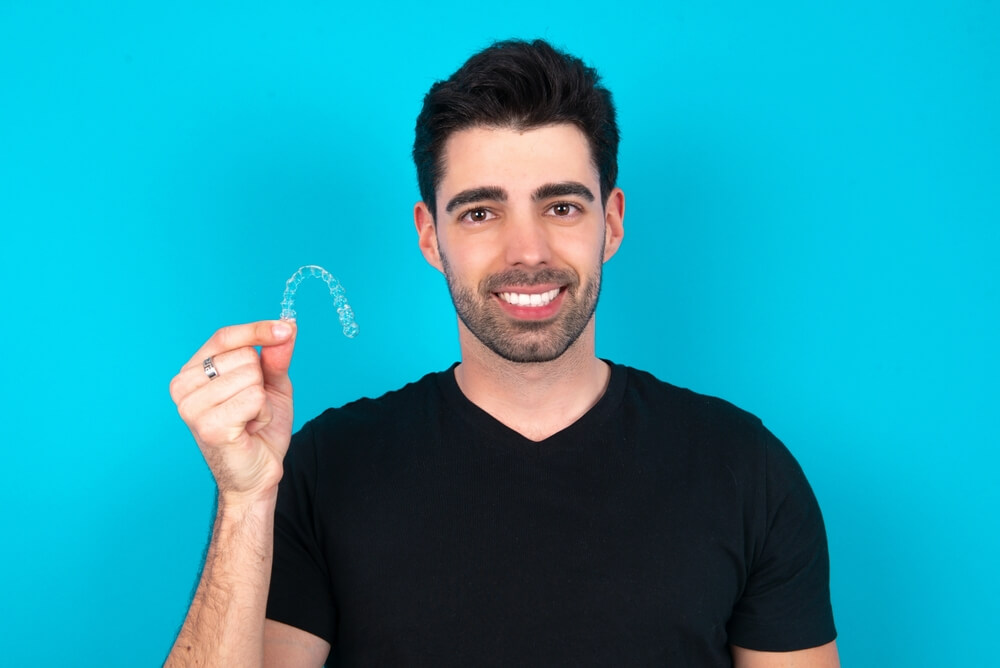
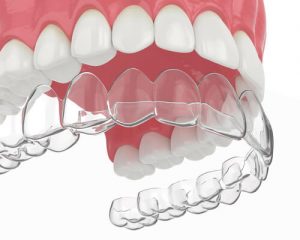
Invisalign, a groundbreaking approach to orthodontic treatment, has significantly reshaped the landscape of dental care by offering an alternative to traditional metal braces. This innovative technology utilizes custom-made, clear aligners that gently straighten teeth over time. Unlike traditional braces, Invisalign aligners are easily removed, allowing for more comfortable eating and brushing, and they are nearly invisible, making them a common choice for adults and teens who want a less noticeable orthodontic option.
Revolutionary Technology: Invisalign uses advanced 3D imaging technology to fabricate a series of custom aligners tailored to fit snugly over the upper and lower teeth. This ensures a comfortable fit while targeting dental issues like crowded teeth, gap teeth, and misaligned bites.
Aesthetic and Functional Benefits: Many prefer Invisalign over traditional braces due to its discreet appearance. The clear aligners are virtually invisible, promoting a confident smile during treatment. Additionally, since the aligners are removable, maintaining overall oral health through regular brushing and flossing is much easier.
Versatility and Effectiveness: Invisalign is effective for many dental problems, including crooked teeth, overbite, underbite, open bites, and more complex dental issues like crossbite and gapped teeth. It can also be a part of a comprehensive treatment plan involving other dental procedures to achieve a beautiful, healthy smile.
Treatment Process and Duration: An Invisalign consultation is the first step, where a dentist in Burwood, NSW at Good Choice Dental assesses the specific needs and create a customized treatment plan. The duration of wearing Invisalign aligners varies depending on the individual’s dental needs but typically ranges from 6 to 18 months.
Patient Experience and Satisfaction: Invisalign patients often report a more pleasant experience than those with metal braces. The aligners are comfortable and have a minimal impact on daily life, allowing patients to speak and perform activities without inconvenience.
Invisalign has revolutionized how people view orthodontic treatment, offering an effective, comfortable, and aesthetically pleasing option for achieving a straighter smile. With the ability to correct a wide array of dental misalignments and promote better oral health, Invisalign continues to gain popularity among those seeking a modern solution to traditional braces. As more individuals opt for this innovative treatment, understanding its benefits and limitations becomes paramount to ensure the best outcomes.
Understanding the Expectations: What Invisalign Promises
Invisalign has transformed orthodontic treatment by offering a discreet and flexible option compared to traditional braces. Potential patients must have a clear understanding of what Invisalign promises and what to realistically expect from the treatment to ensure satisfaction with the results.
What Invisalign Promises
Aesthetics: One of the primary benefits that Invisalign promises is discretion. The clear aligners are virtually invisible, which appeals to adults and teens who are self-conscious about traditional metal braces’ appearance. This feature allows patients to undergo orthodontic treatment without drawing attention to their teeth.
Comfort: Unlike traditional braces, which can irritate the mouth with metal wires and brackets, Invisalign aligners are made from smooth plastic and custom-fitted to the teeth, minimizing discomfort. Although patients may experience mild pressure when a new aligner is first used, this is typically less painful than the adjustments made with conventional braces.
Convenience: Invisalign aligners are removable, a significant advantage over permanent braces. This allows patients to eat, brush, and floss easily, maintaining better oral hygiene during treatment. It also means fewer dietary restrictions, as there are no concerns about food particles getting caught in wires or brackets.
Predictability and Planning: Using advanced 3D imaging technology, Invisalign provides a virtual treatment plan that allows patients and their orthodontists to preview the expected results before starting treatment. This technology also enables a more predictable and controlled movement of teeth.
Effectiveness for a Wide Range of Issues: Originally recommended for relatively straightforward dental corrections, Invisalign technology has advanced to effectively treat more complex issues such as overbites, underbites, crossbites, gap teeth, and crowded teeth.
Setting Realistic Expectations
While Invisalign offers many benefits, patients need to have realistic expectations. The success of the treatment largely depends on the patient’s commitment to wearing the aligners for the recommended 20-22 hours per day. Non-compliance can extend treatment time and affect the outcome. Moreover, Invisalign might not be suitable for every orthodontic case, particularly those that are extremely complex or require significant teeth or lower jaw movement.
Understanding what Invisalign can realistically achieve helps patients make informed decisions about their orthodontic treatment. While Invisalign offers a less noticeable, more comfortable, and convenient treatment option, it requires a significant commitment to daily wear and care. With proper use, Invisalign promises to deliver a beautiful, straighter smile while accommodating the lifestyle needs of most patients.
Factors Contributing to Worst-Case Outcomes with Invisalign
When considering Invisalign for orthodontic treatment, it’s important to be aware of the factors leading to less-than-ideal outcomes. While many enjoy successful transformations with Invisalign, understanding the potential challenges can help mitigate risks and set realistic expectations.
Factors Contributing to Worst-Case Outcomes with Invisalign
Non-Compliance with Wear Time
Invisalign’s effectiveness highly depends on the patient wearing the aligners for the recommended 20 to 22 hours daily.Failure to adhere to this schedule can result in prolonged treatment times and suboptimal results, such as incomplete tooth movement or relapse.
Complex Dental Issues
While Invisalign technology has advanced, certain complex orthodontic cases, like severe rotations, large gaps, or significant bite issues, may not be fully correctable with clear aligners alone. In such cases, traditional braces or additional orthodontic appliances may be necessary to achieve desired results.
Inadequate Planning or Follow-Up
Success with Invisalign requires careful planning and regular monitoring by a qualified orthodontist. Insufficient initial planning, infrequent progress checks, or poor patient-orthodontist communication can lead to complications or unsatisfactory alignment.
Patient’s Biological Response
Individual differences in how teeth and gums respond to orthodontic forces can influence treatment outcomes. Some patients may experience slower movement or less predictable shifts in teeth positioning, which can complicate the anticipated course of treatment.
Improper Fit of Aligners
Occasionally, aligners may not fit perfectly due to inaccurate impressions or shifts in the treatment plan.This can reduce the aligner’s effectiveness, leading to delays and adjustments in the treatment schedule.
Unforeseen Dental Issues
New or worsening dental problems during treatment, such as gum disease, tooth decay, or root resorption, can affect tooth movement and the overall health of the mouth, potentially compromising the effectiveness of Invisalign.
While Invisalign offers a discreet and less invasive alternative to traditional braces, potential patients must be aware of the factors that can lead to worst-case scenarios. By understanding these risks, maintaining diligent adherence to wear schedules, and working closely with a skilled orthodontist, patients can maximize their chances of a successful and satisfying Invisalign treatment.
Real Patient Stories: Before and After Scenarios Gone Wrong
Exploring real patient stories of Invisalign treatments that didn’t go as planned can provide valuable insights and help set realistic expectations for potential patients. These stories underscore the importance of understanding the possibilities and limitations of using clear aligners for orthodontic correction.
Real Patient Stories: Before and After Scenarios Gone Wrong
Case of Non-Compliance: John, a 30-year-old professional, chose Invisalign for its discreet nature, but his busy travel schedule led to inconsistent wear. Despite initial progress, John often skipped wearing his aligners for extended periods. The result was an extended treatment time and less than satisfactory alignment, requiring additional rounds of treatment that could have been avoided with consistent use.
Complex Dental Issues Overlooked: Emily sought Invisalign to correct her significantly crowded lower teeth. While her upper teeth adjusted well, the complexity of her lower teeth crowding was underestimated. Halfway through the treatment, it became clear that Invisalign alone would not achieve the desired results, leading to a switch to traditional braces, thus extending her treatment time and cost.
Improper Fit Leading to Discomfort and Delays: Alex experienced discomfort and gum irritation from the start of his Invisalign treatment. Initially dismissed as normal adjustment pains, it later turned out that his aligners were not fitting correctly due to inaccurate impressions taken during his initial consultation. This improper fit caused delays and required new impressions and aligners, resetting much of the progress.
Unexpected Dental Health Issues: Sarah, who was in the middle of her Invisalign treatment, started experiencing gum sensitivity and bleeding. A visit to her dentist revealed the onset of gum disease, exacerbated by her aligners trapping bacteria against her gums. This required a pause in her treatment to address her gum health before continuing with the alignment process, illustrating the importance of maintaining excellent oral hygiene during treatment.
These real-life scenarios highlight the potential challenges and setbacks that can occur with Invisalign treatments. They emphasize the necessity of strict adherence to wearing schedules, the importance of accurate initial assessments, regular monitoring by a professional, and maintaining good oral hygiene throughout the treatment. Understanding these risks can better prepare future patients for their orthodontic journeys, helping them achieve better outcomes with Invisalign.
How to Mitigate Risks: Tips for Potential Invisalign Users
Understanding how to mitigate risks for those considering Invisalign for orthodontic treatment can greatly enhance the likelihood of achieving the desired outcomes. Here are several practical tips to help potential Invisalign users navigate their treatment successfully and minimize any potential setbacks.
Tips for Mitigating Risks in Invisalign Treatment
Strict Adherence to Wear Schedule:
One of the most crucial factors for Invisalign’s success is wearing the aligners for the recommended 20 to 22 hours daily. Only remove them for eating, drinking anything other than water, and your oral hygiene routine. Consistency ensures your teeth move according to the planned treatment schedule.
Regular Follow-Ups with Your Orthodontist:
Regulardental office visits are essential to monitor progress and adjust the treatment plan. These check-ins help catch and address any issues early, preventing minor problems from becoming more serious.
Maintain Excellent Oral Hygiene:
Keeping your teeth and aligners clean is vital. Brush and floss your teeth after each meal before reinserting your aligners to prevent food particles from being trapped, which can lead to cavities and gum disease. Regularly clean your aligners as instructed by your orthodontist to maintain clarity and hygiene.
Use All Prescribed Accessories:
If your treatment plan includes accessories like Invisalign’s cleaning system, chewies (small cushioning rolls to help fit aligners better), or other supplementary items, use them as directed. These accessories are designed to optimize the fit and movement of your aligners.
Immediate Reporting of Issues:
If you notice any discomfort, pain, or unexpected changes in your bite or the fit of your aligners, contact your orthodontist immediately. Prompt attention to such issues can prevent them from escalating and keep your treatment on track.
Educate Yourself About the Treatment:
It is important to understand the Invisalign process, what it can and cannot do, and the specific challenges it may face with certain dental issues. Be proactive in asking your orthodontist questions and researching independently to understand your treatment’s scope fully.
Prepare for Adjustments Post-Treatment:
Some cases might require refinements or additional aligners after the initial treatment. Retainers may also be necessary to maintain the new position of your teeth. Planning for these possibilities can help manage expectations and ensure a successful long-term outcome.
By following the treatment regimen closely, maintaining excellent oral hygiene, and staying in close communication with your orthodontist, you can significantly reduce the risks associated with Invisalign and increase your chances of achieving a successful and satisfying result.
Professional Insights: What Orthodontists Say About These Cases
Orthodontists play a crucial role in managing Invisalign treatments and ensuring their success. Their professional insights, particularly concerning the challenges and nuances of using Invisalign, can provide valuable perspectives for current and prospective patients. Here’s what orthodontists generally say about handling Invisalign cases, especially those that don’t go as planned:
Orthodontists’ Insights on Invisalign Treatments
Individual Variability: Orthodontists emphasize that patients’ responses to Invisalign treatment can vary greatly. Factors such as bone density, age, and overall dental health significantly influence how effectively the teeth can be moved with aligners. Orthodontists must tailor their approaches to individual needs and biological responses.
Importance of Patient Compliance: A common theme among orthodontists is patient compliance with wearing schedules. Non-compliance is a major reason for suboptimal results. Orthodontists stress the need for patients to understand that their commitment to wearing the aligners as prescribed is just as important as the technical aspects of the treatment.
Technological Advancements: Orthodontists often highlight the continuous improvements in Invisalign technology. With advancements such as the SmartTrack material and iTero digital scanning, the precision and predictability of treatments have significantly improved. These technologies enable better fitting aligners and more accurate progress tracking.
Limitations and Expectations: Experienced orthodontists point out that while Invisalign can address many orthodontic issues, it is not a one-size-fits-all solution. They emphasize setting realistic expectations with patients, especially those with complex dental cases where Invisalign might need to be combined with other treatments.
Handling Complications: When things go wrong, orthodontists note the importance of adaptability. This might involve revising the treatment plan, adding auxiliary appliances, or switching to traditional braces if necessary. Professional judgment and timely intervention are key to managing such scenarios effectively.
Long-Term Care and Maintenance: Orthodontists also focus on post-treatment care. They stress the importance of wearing retainers as directed to maintain the results achieved through Invisalign. Long-term vigilance in retainer usage is crucial to prevent relapse.
Educational Role: Orthodontists see themselves as not just providers but also educators. They advocate for thorough consultations and discussions to ensure patients fully understand the treatment process, potential complications, and the necessary commitments.
Orthodontists’ insights reveal a comprehensive understanding of Invisalign’s capabilities and limitations. Their emphasis on customization, patient education, and compliance underscores the collaborative nature of successful orthodontic treatment. For potential Invisalign users, taking these professional perspectives into account can make you take more informed decisions and, ultimately, more satisfying treatment outcomes.
Balancing Expectations with Reality in Orthodontic Treatments
Balancing expectations with reality is crucial in the realm of orthodontic treatments, particularly when it comes to options like Invisalign. While marketing materials often highlight the best outcomes, understanding the realistic aspects of such treatments is essential for patient satisfaction and overall success.
Balancing Expectations with Reality in Orthodontic Treatments
1. Understanding the Treatment’s Scope and Limitations: Patients must understand that while Invisalign can effectively treat many orthodontic issues, such as crooked teeth, crowded front teeth below, and certain bite misalignments, it may not be suitable for all cases, especially extremely complex ones. Orthodontists play a key role in setting realistic expectations by clearly outlining what the treatment can and cannot achieve.
2. Acknowledging the Importance of Patient Compliance: A significant factor in the success of Invisalign treatment is the patient’s commitment to wearing the aligners as prescribed. Unlike fixed braces, Invisalign’s effectiveness largely depends on the patient maintaining at least 20-22 hours of wear per day. Orthodontists need to stress this requirement to patients to prevent unrealistic expectations about the ease and flexibility of the treatment.
3. Preparing for the Treatment Duration and Possible Adjustments: Patients should be prepared that treatment duration with Invisalign can vary widely based on individual factors like the intensity of dental issues and how well one adheres to the treatment plan. Additionally, some cases might require mid-course adjustments or additional refinements, which can extend the overall treatment time.
4. Anticipating Variability in Treatment Outcomes: Just as individuals react differently to medical treatments, orthodontic treatments also yield varied results based on biological responses that are not entirely predictable. Orthodontists should communicate this to help manage patient expectations about the precise outcomes of their specific treatment plan.
5. Discussing Long-term Commitment Beyond Initial Treatment: Maintaining the results achieved through Invisalign involves a long-term commitment to wearing retainers. Patients may not be aware of the necessity for ongoing maintenance and the potential for teeth to shift back if retainers are not consistently used gradually.
6. Financial Considerations: Cost is often a significant factor for patients considering orthodontic treatment. Orthodontists should ensure that patients are fully aware of the financial investment, including potential costs associated with extended treatment time or additional post-treatment care.
For those considering or undergoing orthodontic treatment like Invisalign, balancing expectations with the realities of the process is vital. By providing comprehensive and honest information, orthodontists can help patients make informed decisions and maintain a positive outlook throughout their treatment journey. Thisnot only helps achieve the best possible outcomes but also ensures patient satisfaction and trust.
In closing, while Invisalign offers transformative results for many, it’s crucial to approach these treatments with realistic expectations. The stories of Invisalign before and after worst cases serve as important reminders that outcomes can vary widely. By educating yourself and consulting closely with a qualified orthodontist, you can better navigate the journey toward achieving your desired, beautiful smile, minimising the risk of unexpected results. Remember, every smile is unique, and so is every Invisalign experience.
Experiencing receding gums in your 20s can be both surprising and concerning. Typically associated with older adults, gum recession at such a young age prompts important questions about oral health and care. What causes this premature dental condition, and what can be done to prevent or treat it? This article delves into why gum recession occurs in younger adults and explores effective strategies to halt its progression, safeguarding your dental health for years. Stay tuned to uncover how to protect your gums and maintain a healthy smile, even if signs of recession have already begun.
What Causes Receding Gums in 20s?
Receding gums in young adults can be alarming, especially as it’s often considered a problem that affects older populations. Understanding the causes is key to prevention and treatment notice receding gums. Several factors contribute to gum recession in young adults, which, if not addressed timely, can lead to more severe oral health issues.
Poor Oral Hygiene: Insufficient brushing and flossing lead to plaque accumulation, which can cause gum disease, a major factor contributing to gum recession. The accumulation of bacteria can cause inflammation and deterioration of the supporting tissue around the teeth.
Aggressive Tooth Brushing: Brushing tooth hard or using a hard toothbrush can wear away at the gum tissue and the enamel, causing the gums to recede.
Periodontal Disease: This is a severe gum infection that damages the soft tissue and, if unchecked, destroys the bone that supports your teeth. Periodontal disease is a common contributor of gum recession.
Genetic Predisposition: Certain individuals are more prone to gum disease, regardless of how diligently they maintain their teeth and gums.
Tobacco Use: Smoking can lead to stickier plaque, which is harder to remove and can result in gum recession.
Hormonal Changes: Fluctuations in hormones, particularly in women, can make gums more sensitive and vulnerable to gum recession.
Misaligned Teeth or Teeth Grinding: These can place undue pressure on the gums and bones, accelerating the recession process.
Identifying Early Signs of Gum Recession in Your 20s
Identifying early signs of gum recession in your 20s is crucial for preventing long-term damage to your oral health. Early detection stop gum recession can lead to interventions that may reverse damage or significantly slow progression. Here are some key indicators to watch for:
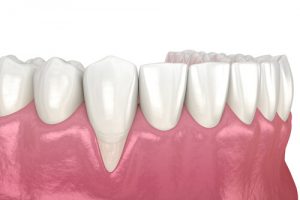
Receding Gum Line: One of the first signs of gum recession is noticing that your gums are pulling back or wearing away, which may make your teeth look longer.
Tooth Sensitivity: As gums recede, the sensitive part of the tooth near the root may become exposed, leading to increased sensitivity, especially when consuming hot, cold, or sweet foods.
Bleeding After Brushing or Flossing: While occasional bleeding gums might occur if you brush too hard, regular bleeding can signify gum inflammation and recession.
Swollen, Red Gums: Healthy gums are firm and pink. If your gums are swollen, red, or tender, this might be an early sign of gum disease that can lead to recession.
Loose Teeth: As gum recession progresses, it can weaken the support of your teeth, potentially causing them to loosen and cause tooth loss.
The Impact of Lifestyle Choices on Gum Health
Lifestyle choices play a pivotal role in the health of your gums, significantly influencing the risk of developing gum disease and gum recession. Here’s how daily habits and decisions can impact your oral health:
Diet
Sugary and Acidic Foods: Consuming high amounts of sugary or acidic foods can result in tooth decay and gum deterioration. Bacteria in the mouth thrive on sugar, making acids that irritate the gums and erode tooth enamel.
Nutrient-Rich Foods: Eating a balanced diet rich in vitamins A, C, and calcium can help maintain healthy gums. These nutrients are vital for repairing oral tissues and strengthening bones that support teeth.
Oral Hygiene
Regular Brushing and Flossing: Effective brushing and flossing remove plaque and food particles that could otherwise lead to gum inflammation and recession. A soft-bristled toothbrush and gentle technique can prevent unnecessary irritation to your gums.
Professional Dental Cleanings: Regular dental check-ups and cleanings by a Cross Road Dental professional in Plympton, SA help to keep your teeth and gums healthy and prevent conditions that may lead to gum recession.
Smoking and Tobacco Use
Increased Risk of Gum Disease: Smoking is strongly associated with the onset and progression of gum disease. Tobacco use in any form reduces blood flow to the gums, impairing gum tissue’s ability to heal and defend against infection.
Stress Management
Impact on Immune Efficiency: High stress levels can lower the immune system’s effectiveness, making it difficult for your body to fight off the bacteria that cause gum infections and delay oral tissue healing.
Physical Activity
Reduced Inflammation: Regular physical activity helps to reduce and manage inflammation in the body, including the gums. Exercise raises blood flow, which is essential for healthy gums.
Grinding and Clenching Teeth
Pressure on Gums: Teeth grinding or clenching can exert extra force on the gums, accelerating recession. This habit often occurs during sleep or in times of stress, highlighting the need for protective measures like mouthguards.
Treatment Options for Early-Onset Gum Recession
Early-onset gum recession requires timely intervention to prevent further damage and restore gum health. Here are several treatment options and strategies for managing and reversing gum recession in its early stages:
Non-Surgical Treatments
Improved Oral Hygiene: Ensuring meticulous oral hygiene is the first defense against further gum recession. This involves softly brushing with a soft-bristled toothbrush, flossing regularly, and utilising an antibacterial mouthwash to decrease plaque accumulation.
Scaling and Root Planing: This thorough cleaning process eliminates plaque and tartar beneath the gum line and smooths the roots of your teeth to aid in gum reattachment. This can halt further recession and reduce the depth of gum pockets.
Antimicrobial Treatments: Dentists may prescribe antimicrobial rinses or gels to reduce bacteria in the mouth that cause gum disease, helping to control infection and inflammation.
Surgical Treatments
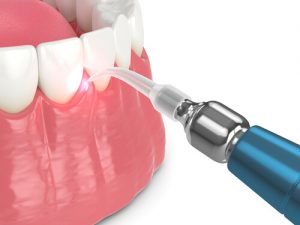
Gum Grafting: For more severe cases, gum tissue can be taken from another part of the mouth (usually the palate) and grafted onto the affected areas to cover exposed roots, reduce sensitivity, and improve the aesthetics of your smile.
Regenerative Procedures: When the bone supporting the teeth has been destroyed, procedures to regenerate lost bone and tissue may be recommended. These involve folding back the gum tissue, removing the bacteria, and then applying a regenerative material such as a membrane, graft tissue, or tissue-stimulating protein to encourage your body’s natural ability to regenerate bone and tissue.
Pinhole Surgical Technique: A minimally invasive option with a small hole in the gum tissue, allowing special instruments to gently loosen the gum tissue and move it over the receding part of the tooth.
Lifestyle Adjustments
Dietary Changes: Incorporate a diet high in fruits, vegetables, and omega-3 fatty acids, which can alleviate inflammation and support overall gum health.
Quit Smoking: Smoking cessation is critical, as smoking significantly increases the risk of gum disease, which leads to recession.
Stress Management: Managing stress through exercise, meditation, or counseling can help reduce behaviors like teeth grinding and exacerbating gum recession.
Regular Monitoring
Routine Dental Visits: Regular dental check-ups allow for the monitoring of gum health and the effectiveness of the treatment plan. Early detection of changes can lead to adjustments in treatment that may prevent further recession.
In conclusion, experiencing receding gums in your 20s can be a wake-up call to take immediate action toward improving oral health. By understanding the causes, recognizing the early signs, and implementing preventive measures, you can effectively manage and often reverse gum recession. Maintaining good oral hygiene, making informed lifestyle choices, and seeking timely dental advice are crucial steps to treat gum recession and ensure your gums remain healthy well into the future. Be sure to address gum recession; early intervention is key to preserving your smile and oral health.


 Dry needling is often used to target myofascial trigger points, which are tight bands or knots within a muscle. These trigger points can contribute to pain and tension, not only in the affected area but also in seemingly unrelated parts of the body—a phenomenon known as referred pain. Referred pain is common in patients with myofascial pain syndrome, where pain from trigger points in one area manifests in another region, sometimes leading to confusion about the actual source of discomfort.
 Several factors might make someone more prone to experiencing a toothache following dry needling of the neck: