Are you struggling with the discomfort and aesthetic concerns of receding gums? Receding gums gingivoplasty might be the breakthrough you’ve been seeking. This article delves into how this specialised cosmetic procedure can not only address gum recession but also promote oral health restoration. Stay tuned as we explore the transformative potential of gingivoplasty and consider whether it could be the key to not only restoring your smile but also boosting your overall dental health.
Understanding Receding Gums Gingivoplasty
Receding gums gingivoplasty is an advanced dental procedure tailored to address gum recession. This technique aims to restore the gum line and enhance oral health and aesthetic appearance.
Reshaping Gum Tissue
Gingivoplasty often serves both health and cosmetic purposes. Cosmetic reasons involve the precise reshaping of gum tissue to correct receding gums. This can significantly improve the appearance of a “gummy smile” and contribute to better gum health.
Surgical Techniques
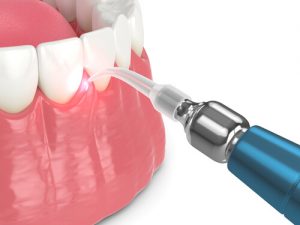
The procedure typically employs advanced techniques to remove excess or diseased gum tissue, such as soft tissue lasers or small incisions. These methods are favoured for their precision and reduced healing time.
Gum Grafts Integration
In cases of severe gum recession, gingivoplasty may be performed alongside gum grafts. Healthy gum tissue, sourced from another part of the mouth or a few gum tissue grafts from the bank, covers exposed tooth roots, protecting them from decay and sensitivity.
Prevention of Complications
Gingivoplasty restores the gum line and helps prevent further gum recession and bone loss, which are key factors in maintaining long-term dental health and preventing periodontal disease.
Improving Oral Hygiene
Post-procedure, patients are often advised to maintain stringent oral hygiene practices. This includes using soft-bristled toothbrushes and antibacterial mouthwash to prevent infection and promote healing.
Cosmetic and Functional Benefits
Beyond improving oral health, gingivoplasty can also enhance the aesthetic appearance of one’s smile, boosting confidence and social interactions.
The Causes of Gum Recession
Gum recession is a common dental condition that can lead to significant oral health issues if not addressed. Understanding its causes is crucial for prevention and effective management.
Genetic Predisposition: Just as some people are more susceptible to cavities or dental misalignments, genetics can also play a role in gum health. Individuals with thinner or weaker gum tissue are inherently more at risk for gum recession.
Periodontal Disease: Periodontal disease is a severe form of gum disease and one of the leading causes of gum recession. It results from plaque buildup, leading to inflamed and infected gums. As the disease progresses, the gums gradually pull away from the teeth, exposing more of the tooth and root.
Aggressive Tooth Brushing: While good oral hygiene is critical, brushing too hard or using a toothbrush with medium or hard bristles can wear away the delicate gum tissue, leading to recession.
Poor Dental Care: Inadequate brushing and flossing allow plaque to turn into tartar—a hard substance that aggregates on and between your teeth and can lead to gum recession.
Hormonal Changes: Various stages in life, such as puberty, pregnancy, and menopause, cause hormonal fluctuation and can make gums more vulnerable to gum recession.
Tobacco Use: Smoking significantly increases the risk of gum disease, which in turn leads to gum recession. Tobacco use reduces saliva flow, which is necessary to wash away bacteria and maintain healthy gums.
Clenching and Grinding Teeth: Also known as bruxism, this condition can put excessive force on the teeth and surrounding bone, stressing the gums and causing them to recede.
Misaligned Teeth: When teeth do not close evenly, the gums and bone are exposed to too much force, causing the gums to recede.
Preparation for Gingivoplasty
Proper preparation for gingivoplasty is essential to ensure the procedure’s success and optimise recovery. Patients must take specific steps under the guidance of their dental specialist.
Consultation with Dental Specialist: The first step involves a detailed consultation, during which the dentist assesses the severity of gum recession and discusses the most common benefits and risks of the surgical procedure. This session is crucial for setting realistic expectations and planning the surgical approach.
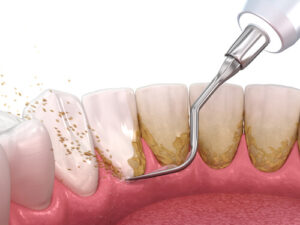
Comprehensive Dental Cleaning: Before gingivoplasty, professional cleaning is often required to remove plaque and tartar buildup. This step reduces the risk of infection and prepares the gums for a more successful surgical outcome.
Pre-Surgical Instructions: Patients will receive specific instructions to follow in the days before the surgery. These often include refraining from smoking and possibly fasting a few hours before the procedure.
Adjusting Medications: If the patient is on medication that could affect surgical outcomes, such as blood thinners, the dental specialist may adjust these medications temporarily. It’s critical to provide the dentist in Burwood, NSW at Dental 266 clinic with a complete list of all medications and supplements being taken.
Oral Hygiene Regimen: Maintaining excellent oral hygiene is vital. Patients may be advised to use special antibacterial mouthwash to inhibit bacteria in the mouth and promote healing after the surgery.
Arranging Transportation and Aftercare: Since local anesthesia is commonly used, it is recommended that someone drive the patient home post-surgery. Patients might also need to prepare their homes for recovery, ensuring they have the necessary supplies, such as soft foods and pain management resources, readily available.
The Gingivoplasty Procedure Explained
Gingivoplasty is a meticulous dental procedure designed to reshape the gums, typically to correct issues related to gum recession or cosmetic improvements. Understanding the steps involved can help patients prepare mentally and physically for what to expect.
Initial Anesthesia
The procedure initiates with the injection of local anesthesia to numb the affected area. Doing so ensures that the patient experiences no pain during the operation. This is essential for both patient comfort and surgical precision.
Tissue Reshaping
Depending on the extent of the gum recession and the desired outcome, the dental specialist will carefully reshape the diseased or excess gum tissue. This can remove excess gum tissue or recontour the gum line to create a more aesthetically pleasing and functional shape.
Use of Advanced Technology
Many modern gingivoplasty procedures involve the use of soft tissue lasers. These tools allow for precise cutting and immediate sealing of blood vessels, which minimizes bleeding and reduces the risk of infection.
Gum Grafting (if necessary)
In cases of significant gum loss, gum grafting may be performed with gingivoplasty. This involves transplanting healthy gum tissue from another part of the mouth to the affected area, encouraging the regeneration of new gum tissue and covering exposed roots.
Immediate Aftercare
Once the reshaping is complete, the surgical site is usually covered with a periodontal dressing that protects the gums as they heal. The dentist provides detailed care instructions, typically including diet guidelines, oral hygiene, and any necessary medications to manage pain and prevent infection.
Follow-Up Appointments
Monitoring the healing process is crucial. Follow-up appointments are scheduled to ensure that the gums heal properly and assess the procedure’s success. During these visits, the dentist may adjust the treatment plan based on how the gums respond.
Post-Procedure Care and Recovery
Effective post-procedure care and recovery are crucial following a gingivoplasty to ensure optimal healing and prevent potential complications. Adhering to specific care instructions can significantly impact the procedure’s success and your gums’ health.
Pain Management: After gingivoplasty, managing pain is essential. Patients are typically prescribed or advised to take over-the-counter pain relievers such as ibuprofen. It’s important to follow the dosage instructions the dental specialist provides to minimize discomfort and reduce inflammation.
Diet Adjustments: For a few days after surgery, soft foods are recommended to avoid irritating or damaging the treated gums. Yogurts, soups, and smoothies are ideal choices, whereas hard, sticky, or highly seasoned foods should be avoided.
Oral Hygiene Practices: Proper oral hygiene is also critical, but it must be gentle so as not to disturb the healing tissues. Patients should use a soft-bristled toothbrush and avoid the surgical area when brushing their teeth. Rinsing with a prescribed antibacterial mouthwash or salt water can help keep the area clean and aid healing.
Activity Limitations: Physical activity should be limited for a few days after the procedure. Strenuous activities can increase blood pressure and cause bleeding at the surgical site. Patients are advised to relax and avoid heavy lifting or vigorous exercise.
Avoid Smoking and Alcohol: Smoking and alcohol consumption can impair the healing of bleeding gums and should be avoided during the recovery period. Both can decrease blood flow to the gums, delaying healing and increasing the risk of infection.
Follow-Up Visits: Scheduling follow-up visits with the dental specialist is important to monitor healing and ensure that the gums are responding well to the treatment. These appointments also allow the dentist to address any concerns or complications that may arise.
In conclusion, receding gums gingivoplasty offers a promising solution for gum recession patients. This procedure helps restore your gum line to a healthier state and enhances your smile’s overall aesthetics. Gingivoplasty can significantly improve oral health with the right care and a skilled dental specialist. If you’re considering this treatment, it’s essential to discuss all options with your Boutique Dental Care dentist in Chatswood, NSW to ensure it’s the right choice for you.
Starting the journey to a perfect smile with Invisalign, you’re likely pondering over the average cost involved. This pivotal aspect of your decision-making process deserves a thorough exploration. Factors influencing the overall cost include the complexity of the dental corrections needed, the duration of the treatment, and the specific care provisions of your chosen dental practitioner. Join us as we delve into the intricacies of Invisalign’s average cost, providing the insights to navigate this investment in your oral health confidently and clearly.
Prepare to be guided through the financial landscape of achieving the smile you’ve always dreamed of without revealing everything. Keep an eye out for an informative exploration into the average cost of Invisalign.
Introduction to Invisalign Treatment
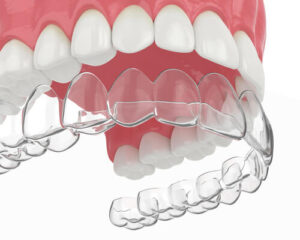
Invisalign stands apart from traditional metal braces by using a series of clear aligners. These aligners are made from virtually invisible plastic. They work to gently and gradually move your teeth into the correct position. This modern approach to teeth straightening has gained popularity among adults and teens. Many prefer it as a subtler alternative to tackle orthodontic problems.
Key points about Invisalign treatment costs include:
Virtually Invisible: The clear aligners are discreet, allowing patients to undergo treatment without the aesthetic concern of metal braces.
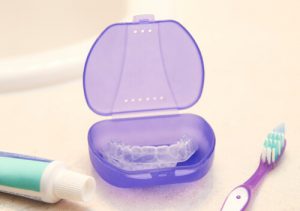
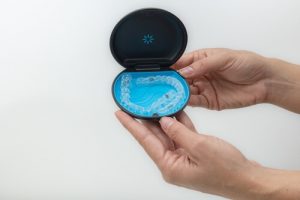
Removable: Unlike fixed braces, Invisalign aligners can be taken out for eating, brushing, and flossing, promoting better oral hygiene.
Customised Treatment Plan: Each patient receives a personalised treatment plan tailored to their dental needs, ensuring optimal results.
Predictable Results: Advanced 3D imaging technology lets patients and dentists preview the expected outcome before starting treatment.
Factors Influencing the Cost of Invisalign
The cost of Invisalign is a significant consideration for those contemplating this modern approach to teeth straightening treatment. In Australia, where dental treatments can vary widely, understanding the factors that influence the cost of Invisalign is crucial for patients planning their orthodontic journey. Several key elements determine the overall investment required for this discreet and effective treatment option.
Complexity of the Case
The specific orthodontic issues being addressed, such as crooked teeth, overbite, or underbite, significantly impact the cost. More complex cases require a longer treatment duration and potentially more aligners, increasing the overall price.
Treatment Duration
The time needed to achieve the desired results affects the total cost. Longer treatment plans necessitate more aligners and more frequent dental visits.
Dental Clinic and Location
Prices can vary between dental clinics and locations, with metropolitan areas often having higher rates due to increased operational costs.
Experience of the Dentist
Experienced dentists, especially those specialised in orthodontic treatments or recognised as Invisalign providers, may charge more for their expertise and personalised care.
Additional Treatments
Some patients may need supplementary dental treatments before, during, or after Invisalign, such as tooth extractions or restorations, which can add to the total cost.
Insurance Coverage
The extent of private health insurance coverage for orthodontic treatment can also affect patients’ out-of-pocket expenses. Certain insurance plans might offer coverage for part of the treatment, thereby lessening the financial load.
Insurance and Payment Plans
Navigating the financial aspects of Invisalign treatment involves understanding the options available through insurance and payment plans. The extent of coverage provided by private health insurance and the availability of payment plans can alleviate some financial burdens, making treatment more accessible to a wider audience.
Insurance Coverage: Dental insurance plans often categorise Invisalign treatment under orthodontic care, which means a portion of the cost may be covered. It’s important for patients to check their specific policy details or consult with their insurance provider to understand the extent of coverage, including any deductibles or annual limits.
Payment Plans: Dental clinics commonly offer payment plans to spread the cost of Invisalign treatment over time, making it easier for patients to manage financially. These plans may vary in terms of down payment required, interest rates, and repayment periods. Some dentists work directly with financing companies to provide these options, while others might have in-house payment solutions.
Financing Options for Invisalign
Fortunately, a variety of financing solutions are available to make Invisalign more accessible. These solutions ensure that patients can manage the expense of dental treatment without undue financial strain. Understanding these options can help prospective patients start their treatment with confidence and peace of mind.
Key points to consider regarding financing options for Invisalign include:
Payment Plans: Numerous dental clinics provide flexible payment options, enabling patients to distribute the treatment costs over several months or years. These plans can be tailored to suit individual budgets, making the payments more manageable.
Dental Insurance: Some private health insurance policies cover orthodontic treatments like Invisalign. It’s important to check with your insurer regarding the extent of coverage, as this can significantly reduce out-of-pocket expenses.
Health Care Financing Services: Specialised healthcare financing companies provide loans and credit options specifically designed for medical and dental treatments, including Invisalign. These services often offer competitive interest rates and flexible repayment terms.
Dental Clinic Promotions: Look for promotions or discounts offered by dental clinics. At times, these can lower the total cost of Invisalign treatment, rendering it a more economical choice.
Tax Deductions: In some cases, dental expenses can be claimed as tax deductions in Australia, provided they exceed a certain threshold. This can offer an additional way to offset some of the costs of Invisalign treatment.
Tips for Managing the Cost of Invisalign Treatments
By employing a few practical tips and understanding the available resources, individuals can make this transformative dental procedure more affordable without compromising quality or results. Let’s explore some strategies to help manage the financial investment of achieving straight teeth with Invisalign.
Key strategies include:
Research and Compare Prices: Invisalign costs can vary significantly between dental clinics. Researching and comparing prices from different Invisalign braces providers in your area can help you find the most cost-effective option.
Understand Your Insurance Coverage: If you have private health insurance, thoroughly review your policy to understand what orthodontic treatments are covered and to what extent. This can substantially reduce your out-of-pocket expenses.
Ask About Payment Plans: Many dental clinics offer payment plans that allow you to spread the cost of treatment over time. These plans can make the payments more manageable within your budget.
Look for Promotional Offers: Some dental practices offer promotions or discounts on Invisalign treatment at certain times of the year. Watching for these deals can lead to significant savings.
Consider Flexible Spending Accounts (FSAs) or Health Savings Accounts (HSAs): If you can access an FSA or HSA, you can use pre-tax dollars to pay for Invisalign, reducing the overall cost.
Prioritise and Plan Financially: Setting aside money in anticipation of your treatment or adjusting your budget to accommodate the monthly payments can help ease the financial burden. Planning is key to managing the costs effectively.
In wrapping up our discussion, it’s clear that investing in this innovative orthodontic treatment is about enhancing your smile and committing to your overall dental health. While the financial aspect of major dental procedures is a significant consideration, understanding the factors that influence the cost ensures you’re well-equipped to make an informed decision. Remember, embarking on the Invisalign journey is a step towards achieving the aesthetic results you desire and securing a future of improved oral health. With this guide, we dentists at Harris Dental Boutique at Bundaberg, QLD hope to have provided you with a clearer picture of what to anticipate financially, allowing you to proceed confidently in your pursuit of a perfect smile.
Welcome to an enlightening discussion on bridging the gap with Invisalign for gap teeth. This revolutionary orthodontic treatment has empowered countless individuals to transform their smiles, addressing the spaces between their teeth easily and confidently.
In this article, we will delve into the world of Invisalign, exploring its remarkable capabilities in correcting gap teeth while discreetly enhancing the gaps in your teeth and overall dental aesthetics. Join us as we break barriers and unlock the potential of a flawless smile through the amazing Invisalign treatment.
Understanding Gap Teeth and How Invisalign Can Help
Understanding gap teeth and how Invisalign can help is essential for those seeking a solution to this common dental issue. Gap gaps between teeth, or diastema, refer to noticeable spaces between two or more teeth, often affecting the front teeth and leading to aesthetic concerns or oral health issues.
Causes of Gap Teeth:
Gaps can occur due to a variety of reasons, including the size of the teeth relative to the jawbone, certain habits like thumb sucking, an oversized labial frenum, or even natural development. Sometimes, gap teeth can be associated with underlying oral health issues such as gum disease.
How Invisalign Works:
Using a series of transparent, custom-made aligners, Invisalign therapy progressively moves teeth into the correct position. These invisible aligners are a popular alternative to traditional braces for fixing gaps and crooked teeth.
Suitability for Invisalign:
Invisalign is typically effective for closing gaps, especially those that are not wide. The treatment is best suited for individuals with minor to moderate spacing issues.
How Invisalign Fix Gaps in Your Teeth
Closing tooth gaps with Invisalign is a systematic and efficient approach to orthodontic treatment, offering a discreet and comfortable alternative to traditional braces. Invisalign aligners are designed to address various dental issues, including the correction of gap teeth, by gradually moving the teeth into their desired position.
Initial Consultation and Assessment:
The process begins with a dental consultation, where the dentist evaluates the patient’s oral health, the severity of the gapped teeth, and overall dental alignment to determine if Invisalign clear aligners are an appropriate treatment option.
Customized Treatment Plan:
Using advanced 3D imaging technology, a custom treatment plan is developed. This includes a series of clear aligners, each designed to make incremental adjustments to the position of the teeth.
Fabrication of Aligners:
After the treatment plan is decided upon, BPA-free plastic is used to create the custom aligners. These aligners are virtually invisible and are tailored to fit snugly over the patient’s teeth.
Wearing the Aligners:
The aligners are should be worn for 20 to 22 hours a day, with the exception of eating, brushing, and flossing. The patient advances to the next set of aligners in the series every one to two weeks, progressively pushing the teeth toward the ideal position.
Regular Dental Check-ups:
Regular dental check-ups are necessary throughout the treatment to monitor progress and make any needed adjustments. Treatment length varies based on each instance, but usually lasts between six and eighteen months.
Post-Treatment Retainers:
After completing the Invisalign treatment, retainers are recommended to ensure the teeth remain in their new positions and prevent future shifting.
Benefits of Using Invisalign Over Traditional Braces for Gap Teeth
The benefits of using Invisalign over traditional braces for treating gap teeth are numerous, offering patients a modern, flexible, and less visible solution to orthodontic treatment. Invisalign, known for its clear aligners, has become increasingly popular for those looking to correct dental gaps without the drawbacks associated with metal braces.
Aesthetics and Visibility: One of the most significant advantages of Invisalign is its near-invisibility. For adults and teenagers who are self-conscious about their looks, clear aligners are the preferable option since they are noticeably less obvious than metal brackets and wires.
Comfort and Safety: The smooth, BPA-free plastic used to make Invisalign aligners lowers the possibility of oral discomfort. This contrasts with traditional braces, often with sharp edges that can cause discomfort.
Removability and Convenience: Invisalign aligners are removable, allowing for easy cleaning of teeth and aligners. This removability also means no dietary restrictions, a common inconvenience with traditional braces.
Improved Oral Hygiene: The ability to remove Invisalign aligners makes maintaining oral hygiene more straightforward, as patients can brush and floss normally. This lessens the chance of gum disease and tooth decay, which can be more difficult to treat with conventional braces.
Predictability and Planning: Using advanced 3D imaging, Invisalign allows for precise treatment planning and a clear visualisation of the expected outcome. This technology helps predict the movement of teeth and the duration of the treatment more accurately.
Fewer Office Visits: Invisalign often requires fewer dental visits than traditional braces. While regular check-ups are necessary, they are typically less frequent, saving time and offering convenience to patients.
Maintaining results post-Invisalign treatment is a crucial step in the orthodontic journey, ensuring the longevity and stability of upper teeth in the newly aligned smile. After the active phase of moving teeth into their desired positions, it’s important to take steps to preserve these results.
Wearing Retainers: The most critical aspect of post-treatment care is the consistent use of retainers. After completing Invisalign treatment, retainers are typically prescribed to keep the teeth in their new positions. These can be removable or fixed, depending on the individual case.
Regular Dental Check-ups: Ongoing dental check-ups are essential for monitoring the teeth’ stability and the gums’ health. These appointments also provide an opportunity for professional cleaning, which is vital for maintaining oral hygiene.
Good Oral Hygiene Practices: Maintaining a rigorous oral hygiene regimen that includes frequent brushing and flossing is beneficial for keeping the gums and teeth healthy. This is important for preventing issues that could compromise the alignment of the teeth.
Addressing Any New Dental Issues Promptly: If new dental problems arise, such as cavities or gum disease, it’s important to address them promptly. Untreated issues can affect the stability of the teeth and the overall oral health.
Avoiding Habits That Can Shift Teeth: Patients are advised to avoid habits that pressure the teeth, such as grinding or clenching, biting nails, or chewing on hard objects. Over time, these practices may cause the teeth to move out of alignment.
Healthy Diet and Lifestyle Choices: Oral health can be enhanced by eating a balanced diet that promotes general health. Cutting less on acidic and sugary meals helps avoid tooth decay, which can affect the alignment of teeth.
Cost and Duration of Invisalign Treatment for Gap Teeth
The cost and duration of Invisalign treatment for gap teeth are important considerations for anyone looking to correct dental spacing issues and gaps in teeth. These factors can vary significantly based on individual needs and treatment complexity.
Factors Influencing Cost: The severity of the gaps, the overall complexity of the case, the location of the dental office, and the orthodontist’s or dentist’s costs are some of the variables that affect the cost of Invisalign treatment for gapped teeth. Typically, Invisalign can be comparable in cost to traditional braces, but in some cases, it might be slightly higher due to the technology and custom aligners used.
Insurance and Payment Plans: Many dental insurance plans cover a portion of Invisalign treatment, similar to how they would cover traditional braces. Additionally, dentists often offer payment plans or financing options to make the treatment more affordable.
Duration of Treatment: The length of Invisalign treatment for gap teeth varies depending on the extent of the gaps and how well the patient’s teeth respond to the aligners. Treatment can last anywhere from six to eighteen months on average, while shorter periods may be necessary in less complicated instances.
Regular Aligner Changes and Dental Visits: During the course of an Invisalign treatment, a new set of aligners is changed every one to two weeks, and progress is checked in with the dentist every six to eight weeks.
Post-Treatment Costs: After completing Invisalign treatment, retainers may have additional costs to maintain the results. The type and frequency of retainer use can vary, potentially adding to the overall treatment cost.
In conclusion, Invisalign is a highly effective and popular dental treatment for correcting gap teeth. Its discreet and comfortable aligners offer a seamless solution without the need for traditional braces. Invisalign not only enhances the overall appearance of two teeth in your smile but also results in improved dental health and bite alignment. If you want to close the gap between your teeth, Invisalign is a reliable and convenient option. Contact your local orthodontist or dentist today for a consultation and take the first step towards achieving a beautifully straightened smile.
The Effect of Increasing the Gaps between the Front Teeth on Torque and Intrusion Control of the Incisors for Anterior Retraction with Clear Aligners: A Prospective Study
Are you curious about the transformative power of Invisalign? Look no further! In our journey to explore the transformative power of orthodontic treatments, we delve into the remarkable changes that occur with Invisalign before and after six months. Join us as we unravel this innovative approach’s stories, challenges, and triumphs, offering a comprehensive understanding of what to expect during the Invisalign journey.
Invisalign: The Revolutionary Approach to Teeth Straightening
Invisalign treatment has emerged as a revolutionary approach in orthodontics, providing a discreet yet effective method for correcting various dental issues. This innovative treatment stands apart from traditional braces, offering an aesthetically pleasing and functionally efficient solution.
Versatility and Effectiveness
Custom-Made Clear Aligners:Invisalign involves a series of tailor-made aligners, each designed to make incremental adjustments to the teeth’s position, addressing issues like crooked teeth, crowding, and bite misalignments.
Targeted Treatment for Front and Anterior Teeth: Invisalign enhances oral health and facial aesthetics and is particularly effective for aligning front teeth, including upper anterior teeth and lower front ones.
Advanced Treatment Process
3D Imaging for Precise Modeling: The treatment begins with advanced imaging technology, creating an accurate 3D model of the patient’s mouth, forming the basis for aligner customisation.
Gradual and Comfortable Teeth Adjustment: Patients experience a gradual, comfortable shift in their teeth alignment with each aligner worn for about two weeks.
Convenience and Comfort
Removable for Oral Hygiene and Diet: Invisalign aligners are removable, facilitating easy cleaning and flossing and posing no dietary restrictions, unlike traditional braces.
Comfortable and Less Irritative: Designed for comfort, these clear aligners avoid the irritation often caused by the wires and brackets of conventional braces.
Enhanced Oral Health and Aesthetics
Improves Oral Health: Proper teeth alignment achieved through Invisalign aids in better oral hygiene, reducing periodontal disease and decay risks.
Aesthetically Pleasing Results: The result is not just straight teeth but a fuller, more aesthetically pleasing smile that complements the patient’s facial profile.
The First Month with Invisalign: Setting Expectations and Early Changes
Embarking on the Invisalign journey begins a transformative phase in dental care, with the first month being crucial for setting the foundation and managing expectations. This initial period is pivotal in acclimating to the new orthodontic treatment and witnessing the first signs of change.
Acclimation to Invisalign Aligners: The initial phase involves getting used to wearing Invisalign clear aligners. Patients often experience a period of adjustment as they adapt to the feel of the aligners in their mouth, impacting both upper and lower teeth.
Initial Discomfort and Adaptation: Some discomfort is common as the teeth begin to shift. This is typically mild and diminishes as the mouth adjusts to the aligners.
Noticeable Changes in Teeth Alignment: Early changes, especially in slightly crooked teeth or those with minor crowding, become visible. These changes are more pronounced in front teeth, including upper and lower ones.
Oral Hygiene Adjustments: Patients learn to integrate the aligners into their daily oral hygiene routine, ensuring teeth are clean between each aligner change.
Dietary Considerations: Adapting to dietary changes is crucial, as aligners need to be removed before eating or drinking anything other than water.
Routine Aligner Maintenance: Understanding the importance of regular cleaning of Invisalign trays to maintain oral health and aligner clarity.
Regular Check-ins with the Dentist: Initial consultations with the dentist are important to monitor progress and make necessary adjustments to the treatment plan.
Throughout the first month of Invisalign treatment, patients understand and appreciate the journey towards a straighter smile and upper teeth, setting the stage for the ongoing transformation in the subsequent months.
Progressing Through Months Two and Three: Visible Shifts and Adjustments
As patients progress through the second and third months of their Invisalign treatment, they notice and experience more visible shifts and adjustments in their teeth alignment. This period marks a significant phase in the journey, where the initial adaptations have been made, and the realignment process becomes more evident.
Enhanced Visible Changes: By the second and third months, the movement of teeth, including both upper and lower teeth, becomes more noticeable. This is particularly evident in areas of crowding or where teeth were notably misaligned.
Adjustments in Treatment Plan: Regular dental check-ins may lead to slight adjustments in the treatment plan, ensuring optimal alignment and addressing specific concerns like bite issues or gaps.
Consistent Oral Hygiene Importance: Maintaining diligent oral hygiene remains crucial, as proper cleaning of both the teeth and Invisalign trays is essential for oral health and the effectiveness of the treatment.
Ongoing Dietary Adaptations: Continued adaptation to dietary habits is necessary, keeping in mind the need to remove aligners while eating and avoiding foods that may hinder the treatment’s progress.
Monitoring of Tooth Movement: Patients and dentists closely monitor the movement of specific teeth, including anterior teeth, upper front teeth, and lower front teeth, to ensure the treatment progresses as planned.
Reinforcement of Aligner Care: The importance of caring for the aligners is reiterated, as clean and well-maintained aligners contribute to both oral health and the aesthetics of the treatment.
During these crucial months, patients witness the transformative power of Invisalign more vividly as the subtle shifts in the early stages evolve into more pronounced changes, steadily moving towards the desired results of a straighter, healthier smile and top teeth.
Midway Point: Evaluating Changes and Challenges at Month Four
Reaching the fourth month of Invisalign treatment represents a significant milestone — the midway point. This phase is crucial for evaluating the changes achieved and addressing any challenges. It’s a time for reflection and anticipation, as patients can see the progress made and look forward to further improvements.
Assessment of Teeth Alignment Progress: By month four, there was a notable advancement in teeth alignment, especially in areas like the upper and lower teeth, where initial misalignments were prominent.
Review of Treatment Goals and Expectations: This stage offers an opportunity to revisit the initial goals set at the start of the Invisalign journey, ensuring that the treatment is on track to meet the desired outcomes.
Addressing Emerging Challenges: Any challenges or discomfort experienced during the treatment, such as issues with specific teeth like anterior or lower front teeth, are assessed and addressed.
Continued Oral Hygiene Focus: Maintaining rigorous oral hygiene remains a top priority, as clean teeth and aligners are pivotal for the success of the treatment and overall oral health.
Adapting to Lifestyle Changes: Patients have generally adapted well to lifestyle changes, including dietary habits and wearing and maintaining Invisalign aligners.
Enhanced Confidence in Treatment: Many patients experience a boost in confidence as they witness the visible improvements in their smile and become more comfortable and familiar with the Invisalign process.
Planning for the Remaining Treatment Duration: This midpoint is also a time for planning and preparing for the remaining duration of the treatment, with an emphasis on ensuring continued compliance and anticipation of further positive changes.
As patients cross the midway mark of their Invisalign treatment, they better understand the transformative journey. The progress made so far brings them closer to achieving a straighter smile and reinforces their commitment to this modern orthodontic solution.
The Transformation Continues: Month Five’s Noticeable Improvements
As patients enter the fifth month of their Invisalign journey, the transformation of their jaw and smile becomes increasingly evident. This stage is marked by significant improvements as the cumulative effect of the aligners’ work becomes more visible. It’s a period where the subtle shifts evolve into noticeable changes, reflecting the true efficacy of Invisalign treatment.
Visible Alignment Improvements: The fifth month often reveals more pronounced changes in teeth alignment, particularly in the upper and lower teeth, showcasing the effectiveness of the Invisalign aligners.
Enhanced Aesthetics of the Smile: This stage often brings a noticeable enhancement in the smile’s aesthetics, as areas of crowding, gaps, or misalignments, including in the anterior teeth, show significant improvement.
Reinforced Confidence in Treatment Results: The evident progress in teeth alignment boosts patients’ confidence in the Invisalign treatment and its ability to achieve the desired results.
Continued Emphasis on Oral Hygiene: Maintaining excellent oral hygiene remains crucial, as it ensures the teeth’ health and the aligners’ effectiveness.
Adaptation to the Aligner Routine: By month five, wearing Invisalign aligners becomes a well-integrated part of the patient’s daily routine, with minimal impact on daily life.
Regular Dental Check-ups for Progress Monitoring: Ongoing consultations with the dentist are important to monitor the progress and make necessary adjustments to the treatment plan.
Preparation for the Final Stages of Treatment: As patients near the end of their Invisalign journey, they begin to prepare for the final stages of treatment, focusing on achieving and maintaining their smile’s optimal alignment and aesthetics.
Month five in the Invisalign treatment is a pivotal time when the transformative effects of the aligners are visible, offering a glimpse into the outcome. It’s a period of positive reinforcement where patients can appreciate the significant strides made towards achieving a straighter, healthier, fuller smile.
The Half-Year Milestone: Comparing Before and After at Six Months
Reaching the six-month mark in the Invisalign treatment is a significant milestone, offering a moment for reflection and comparison. Patients can vividly contrast their initial dental state with the current progress at this half-year juncture. It’s a transformative phase where the before and after differences become markedly evident, showcasing the effectiveness of the Invisalign journey.
Substantial Alignment Changes:By six months, there is a considerable improvement in the alignment of both upper and lower teeth, with especially noticeable changes in areas of initial misalignment or crowding.
Visual Comparison with Initial State: This milestone allows patients to compare current results with initial photos, highlighting the significant strides made in straightening crooked teeth and correcting bite issues.
Enhanced Smile Aesthetics: The aesthetic improvements in the smile become more pronounced, with upper front teeth, lower front teeth, and anterior teeth showing marked alignment corrections, contributing to a more harmonious facial aesthetic.
Reflection on Treatment Experience: Patients often reflect on their Invisalign journey, appreciating the non-intrusive nature of the clear aligners and the relative ease compared to traditional braces.
Increased Confidence and Satisfaction: Witnessing the transformative results firsthand, patients typically experience a boost in confidence and satisfaction with their decision to opt for Invisalign treatment.
Ongoing Oral Health Benefits: The benefits to oral health become more apparent, as well-aligned teeth are easier to clean and maintain, reducing the risk of dental issues.
Preparation for Continued Treatment: For many, the six-month mark is also a phase to prepare for the continuation of the treatment, focusing on maintaining the aligners and adhering to the prescribed routine to ensure the achievement of the final desired results.
The six-month milestone in Invisalign treatment is a period of significant achievement and anticipation. It offers a clear view of the transformative power of the aligners, reinforcing the commitment to completing the journey towards a straighter, healthier smile.
Beyond Six Months: Long-Term Effects and Maintaining Your New Smile
Crossing the six-month threshold in the Invisalign journey begins a long-term commitment to maintaining the new, improved smile. Beyond this point, patients not only witness the sustained effects of the treatment but also learn how to preserve and enhance these results over time. This phase focuses on long-term care and the continued benefits of the Invisalign treatment.
Sustained Alignment and Aesthetics: The changes achieved in teeth alignment, particularly in the upper and lower teeth, are long-lasting, with the proper care ensuring that the straighter smile remains stable.
Retention Strategies: Post-treatment, using retainers is crucial to prevent teeth from gradually shifting back to their original position. Retainers are often custom-made, similar to Invisalign trays, and play a vital role in maintaining alignment.
Regular Dental Visits for Monitoring: Ongoing visits to the dentist are important for monitoring the stability of the treatment results and addressing any minor adjustments or concerns.
Lifestyle Adaptations: Patients may need to make permanent lifestyle changes, such as wearing retainers nightly or avoiding certain habits that could compromise the alignment of their teeth.
Long-Term Impact on Oral Health: The long-term benefits of Invisalign extend beyond aesthetics. Properly aligned teeth improve oral health, reducing the risk of periodontal disease and making daily cleaning more effective.
Enhancement Treatments: Some patients opt for additional dental treatments, such as whitening or veneers, to enhance the aesthetic results of Invisalign.
Beyond the initial six months of Invisalign treatment, patients embark on a lifelong journey of maintaining and cherishing their new smile. This period is characterised by a focus on retention, oral health, and enjoying the lasting benefits of their transformed dental appearance.
In conclusion, Invisalign treatment offers a convenient and effective solution for achieving a beautiful and perfect smile throughout. Regularly using the aligners allows patients to see noticeable improvements in their dental alignment before and after just six months. The discreet nature of Invisalign aligners makes them an attractive choice for those who wish to straighten their teeth without the hassle of traditional braces. By following the personalised treatment plan prescribed by a qualified orthodontist, individuals can confidently enjoy the transformation of their smile, ultimately boosting their self-confidence and oral health. So, if you want to enhance your smile discreetly and efficiently, consider Invisalign a viable option for achieving your desired results.
References
Clinical evaluation of Invisalign treatment effectiveness for adult patients with Class I malocclusion
Assessment of oral health-related quality of life in adult patients with malocclusion treated with clear aligners versus fixed orthodontic appliances: a cross-sectional study
Within the domain of oral health, one of the most pressing concerns for many individuals revolves around the gradual advancement of receding gums. This prevalent dental issue impacts the aesthetic aspect of one’s smile and poses the risk of evolving into more severe dental complications if not promptly addressed. Knowing how to stop receding gums from getting worse is essential for those grappling with this condition.
In this comprehensive article brought to you by https://puritydental.com.au/ website, we explore the root causes, preventive measures, and available treatment options for receding gums. Throughout our journey, we will unveil diverse steps and strategic approaches designed to impede the progression of this common dental problem and challenge. By doing so, we aim to provide valuable insights that contribute to maintaining healthy gums.
Signs and symptoms of receding gums
Receding gums can lead to severe dental problems if not addressed in time. This condition, characterised by the gum tissue gradually pulling back from the tooth, exposes more of the tooth or its root. Understanding the signs and symptoms of gum recession is crucial for early detection and intervention.
Ignoring these signs not only compromises the aesthetics of one’s smile but can also escalate into more serious conditions like periodontal disease and tooth loss. This detailed exploration will delve into the various indicators of receding gums, shedding light on what to look out for and when to first seek treatment and dental intervention.
Signs and Symptoms of Receding Gums:
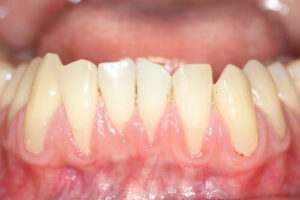
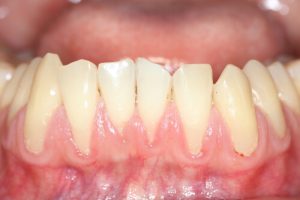
Visible Gum Recession: One of the most obvious signs is seeing more of the tooth than usual or appearing longer than neighbouring teeth.
Tooth Sensitivity: As gums recede, they expose tooth roots not covered by enamel, leading to increased sensitivity, particularly to hot and cold stimuli.
Loose Teeth: Receding gums can weaken the support for your teeth, making them feel loose.
Bleeding Gums: Although more commonly associated with gum disease, receding gums may also cause bleeding, especially when brushing or flossing.
Swollen or Red Gums: Inflammation and redness around the gum line can be a sign of receding gums, often indicating the presence of gum disease.
Bad Breath: Receding gums create pockets between teeth and gums, trapping food particles and bacteria, leading to persistent bad breath.
Exposed Tooth Roots: Visible roots of the teeth are a clear indication of advanced gum recession.
Change in Gum Line: An uneven gum line or noticing that the gums are lower on some teeth compared to others can indicate receding gums.
Noticeable Pockets or Gaps: Between the teeth and gums where the gum tissue has receded.
Recognising these signs and symptoms of receding gums is crucial in preventing further oral health deterioration. Early detection allows for more conservative and effective treatment options. Regular dental check-ups, good oral hygiene, and addressing contributing factors like aggressive brushing or teeth grinding can significantly reduce the risk of gum recession. If you notice any of these symptoms, it’s important to consult with a dentist as soon as possible to explore appropriate treatment options and prevent further damage.
What causes receding gums
Understanding the causes of gum recession is essential in preventing and managing this condition effectively. The factors influencing the onset of receding gums encompass a spectrum, ranging from inadequate dental hygiene practices to genetic predispositions. Each of these elements contributes to the gradual erosion of bone loss of gum tissue, underlining the complexity of this dental concern. In this exploration, we will delve into the diverse causes of receding gums, emphasising the pivotal role of awareness and preventive care in sustaining gum health.
Causes of Receding Gums:
Aggressive Brushing: Brushing teeth too hard or using a hard-bristled toothbrush can damage the enamel at the gum line. This aggressive brushing can lead to the recession of gums over time.
Inadequate Dental Care: Insufficient brushing, flossing, and dental check-ups contribute to plaque build-up. Plaque can solidify into tartar, a hard substance that may cause gum recession.
Genetic Factors: Some individuals have a genetic predisposition to gum disease. Regardless of oral care practices, genetic factors can contribute to receding gums.
Hormonal Changes: Fluctuations in hormones, especially in women during puberty, pregnancy, and menopause, can make gums more sensitive. Increased sensitivity may render gums more vulnerable to recession during hormonal changes.
Periodontal Diseases: Gum diseases, such as gingivitis and periodontitis, are the primary causes of receding gums. These infections destroy gum tissue and the supporting bone structure.
Aggressive Brushing: Brushing teeth too hard or using a hard-bristled toothbrush can wear away the enamel at the gum line and cause the gums to recede.
Inadequate Dental Care: Insufficient brushing, flossing, and dental check-ups can lead to plaque build-up, turning into tartar, a hard substance that can cause gum recession.
Genetic Factors: Some people are genetically predisposed to gum disease, which can lead to receding gums regardless of how well they care for their teeth.
Hormonal Changes: Fluctuations in hormones, particularly in women during puberty, pregnancy, and menopause, can make gums more sensitive and vulnerable to recession.
Tobacco Products: Regular use of tobacco products can lead to a build-up of sticky plaque on the teeth, contributing to gum recession.
Grinding and Clenching Teeth: These habits can put excessive force on the teeth, leading to receding gums over time.
Misaligned Teeth or Incorrect Bite: Crooked teeth or a misaligned bite can place too much pressure on the gums and bones, causing gums to recede.
Trauma to Gum Tissue: A direct injury to the gums can cause them to recede in the affected area.
Piercings: Lip or tongue piercings can rub against the gums, causing irritation and recession.
Regular dental check-ups, proper brushing techniques, and addressing contributing factors like tobacco use or teeth grinding are key to preventing gum recession. If you notice any signs of receding gums, it’s important to seek professional dental advice to determine the cause and explore appropriate treatment options.
Can you reverse receding gums naturally?
Reversing receding gums naturally is not typically possible, especially if the condition has progressed significantly. Once the gum tissue recedes, it cannot naturally grow back to its original position.
However, natural methods can help prevent further recession and maintain the current state of your gums. These include practising good oral hygiene, using a soft-bristled toothbrush, avoiding aggressive brushing, and ensuring a diet rich in vitamins and minerals to support overall gum health.
Best treatment options for receding gums
While the natural regression of gums cannot be entirely reversed, a range of effective treatment options exist to manage the condition and impede further progression. These treatments span from non-invasive methods to surgical procedures, the choice of which depends on the severity of the gum recession. Understanding the optimal treatment options for receding gums is imperative for individuals seeking relief from symptoms and aiming to preserve their oral health.
Best Treatment Options for Receding Gums:
Scaling and Root Planing:
It involves a deep cleaning procedure to remove plaque and tartar below the gum line.
Smooth out roots to reattach the gums to the teeth.
Gum Graft Surgery:
Recommended for more severe cases.
It involves taking tissue from another part of the mouth to cover exposed roots and restore the gum line.
Pinhole Surgical Technique:
A minimally invasive option that uses a small hole in the gum tissue.
Special tools stretch and reposition the gum over the exposed root.
Regenerative Procedures:
It involves regrowing lost bone and tissue using materials like grafts, tissue-stimulating proteins, or membranes.
It aims to leverage the body’s natural ability to regenerate bone and tissue.
Laser Therapy:
Reshapes gum tissue reduces harmful bacteria, and promotes healing.
Lifestyle and Home Care Changes:
Maintaining good oral hygiene is essential.
Using a soft-bristled toothbrush and quitting smoking can prevent further gum recession.
Orthodontics:
It helps realign misaligned teeth, reducing stress on the gums.
Antimicrobial Mouthwash:
Controls bacteria growth causing gum disease.
Choosing the best treatment for receding gums depends on specific causes and severity. Consulting with a dental professional is crucial to determine a suitable treatment plan. While some cases may require surgical intervention, others can be effectively managed with less invasive techniques and good oral hygiene practices. Early detection and timely treatment are paramount in preventing further recession and maintaining gum health.
How to prevent gum recession and stop it from getting worse
Gum recession can lead to serious oral health issues if not addressed. Preventing gum recession and stopping its progression is crucial in maintaining good oral health and preserving natural teeth.
While some factors contributing to gum recession, like genetics, cannot be changed, numerous practical steps can be taken to prevent this condition or halt its worsening. Understanding and implementing these preventive measures are key to safeguarding your teeth roots and gums from further recession.
How to Prevent Gum Recession and Stop It from Getting Worse:
Proper Oral Hygiene: Regular and thorough brushing and flossing are crucial in removing plaque, a leading cause of gum recession.
Use a Soft-Bristled Toothbrush: Avoid using hard-bristled toothbrushes or aggressive brushing techniques, as these can wear away gum tissue and enamel.
Regular Dental Check-Ups: Routine dental visits allow for early detection and treatment of conditions that may contribute to gum recession.
Quit Smoking: Tobacco products are detrimental to gum health and can accelerate gum recession.
Manage Bruxism: Teeth grinding or clenching can put excessive force on the gums. Using a mouthguard or seeking treatment for bruxism can help reduce its impact.
Balanced Diet: Eating a balanced diet rich in vitamins C and D, calcium, and omega-3 fatty acids can strengthen gum tissue and oral health.
Correct Misaligned Teeth: Misaligned teeth can put extra pressure on gums and bones. Orthodontic treatment may help in evenly distributing the biting forces.
Avoid Piercings in the Lip or Tongue: These can irritate and wear away gum tissue.
Mindful Eating: Avoid hard or sticky foods that may injure the gum tissue or get trapped under the gum line.
Stay Hydrated: Drinking plenty of water helps maintain saliva production, crucial for neutralising harmful acids and washing away food particles.
Preventing gum recession and stopping it from worsening involves good oral hygiene practices, lifestyle changes, and regular dental care. Being proactive in these areas can significantly reduce your risk of gum recession and protect your oral health. If you notice early signs of gum recession, it’s important to seek advice from a dental professional promptly, as early intervention can prevent more serious complications and gum surgery.
Conclusion
Maintaining diligent oral hygiene and seeking regular dental care are crucial steps to effectively stop or prevent receding gums from getting worse. Adopting habits like using a soft-bristled toothbrush, flossing, and visiting your dentist for routine check-ups can significantly halt the progression of gum recession. Early intervention and consistent oral care are key to preserving gum health and preventing further dental complications. Prompt action and professional advice with Dr Jack Bella Vista Dentist are essential for maintaining a healthy smile if you notice the early signs of receding gums.


 Proper preparation for gingivoplasty is essential to ensure the procedure’s success and optimise recovery. Patients must take specific steps under the guidance of their dental specialist.
 Effective post-procedure care and recovery are crucial following a gingivoplasty to ensure optimal healing and prevent potential complications. Adhering to specific care instructions can significantly impact the procedure’s success and your gums’ health.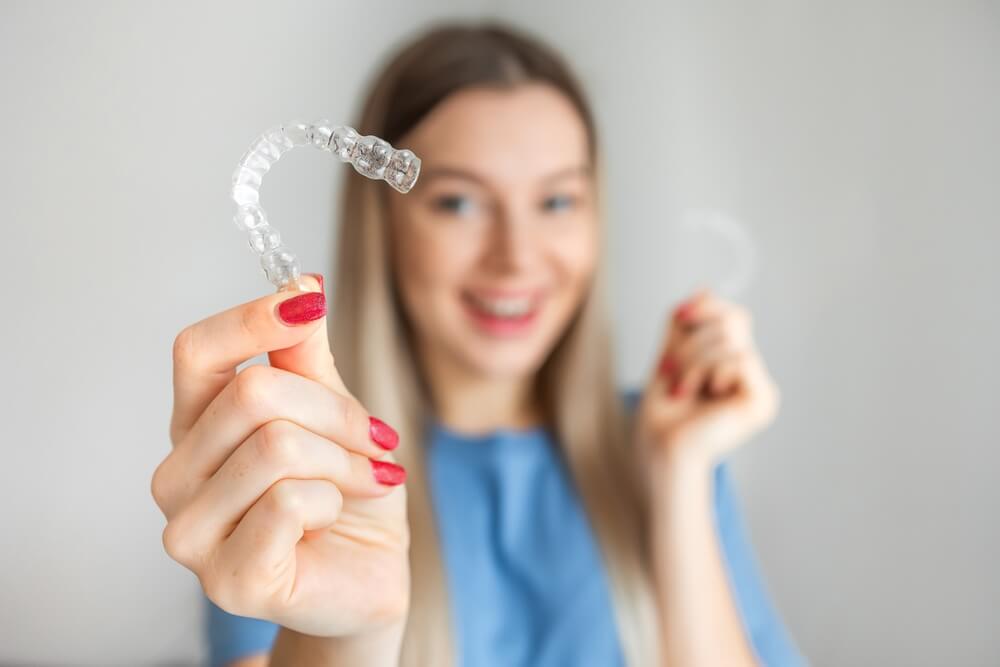
 Navigating the financial aspects of Invisalign treatment involves understanding the options available through insurance and payment plans.