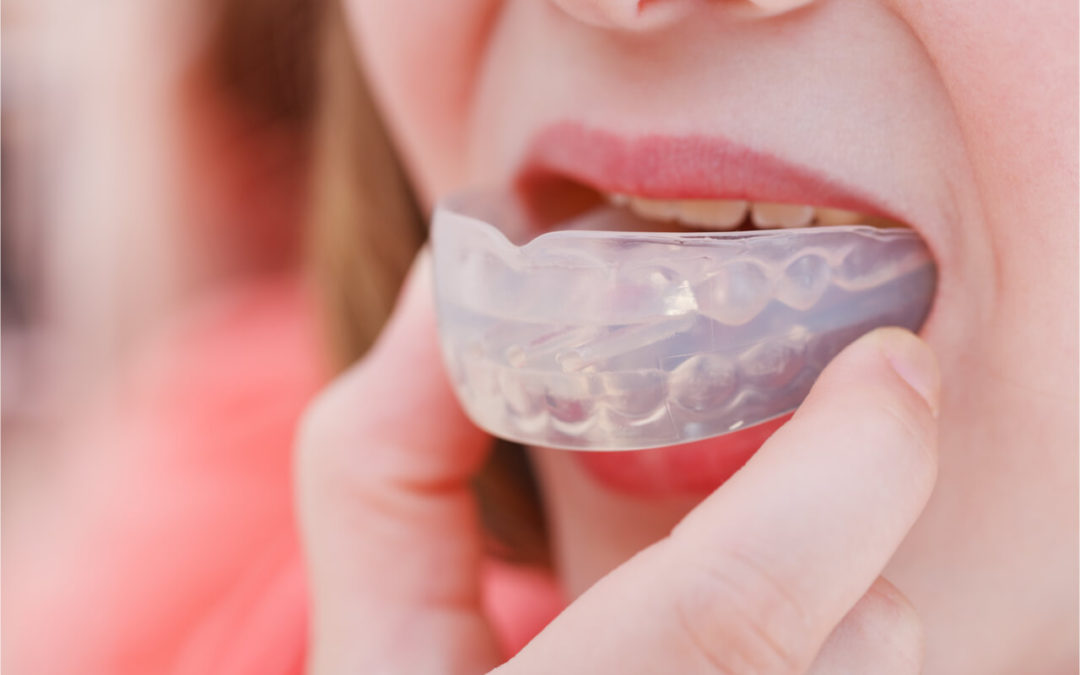
The world of orthodontics has evolved significantly over the years, introducing innovative solutions for various dental concerns. Many individuals today are grappling with whether Invisalign can effectively address crossbites.
This article embarks on a journey to unravel the intricacies of Invisalign as a potential remedy for crossbite, providing insights that might surprise you. Join us as we explore the capabilities and limitations of this revolutionary orthodontic tool for overbite.
What is a posterior crossbite?
A posterior crossbite is a dental misalignment where the upper back teeth (molars and premolars) fit inside the lower back teeth rather than outside the top and bottom teeth together, as they should in a normal bite. This condition can occur on one or both sides of the mouth, leading to jaw function problems, uneven teeth wear, and potential TMJ issues if left untreated.
Types of crossbites
A crossbite, a condition where the upper and lower teeth do not align properly, can manifest in various ways, and understanding its different types is crucial for accurate diagnosis and the correct treatment.
Anterior Crossbite (Underbite): This type of crossbite occurs when the upper front teeth sit behind the lower front teeth, resembling an underbite. It can affect a single or multiple teeth and might give the appearance of a protruding lower jaw.
Posterior Crossbite: This involves the back teeth. The upper back teeth sit inside the lower back teeth rather than outside, resulting in a posterior crossbite.
Single Tooth Crossbite: As the name suggests, this is when just one tooth is misaligned and sits either closer to the cheek or the tongue than the corresponding tooth in the opposing jaw.
Effects on Smile and Oral Health: Crossbites can lead to crooked teeth and an unappealing smile if left untreated. Beyond aesthetics, it can also result in gum disease, especially if the misalignment leads to difficulty maintaining proper oral hygiene.
It’s important to note that the approach to correct or treat a crossbite might vary depending on the patient’s unique situation and their specific type of crossbite. Whether it’s to straighten a single tooth or realign an entire set of upper or lower teeth, understanding the nature of the crossbite is the first step to determining the most effective treatment.
Can crossbites be fixed with invisalign?
In modern orthodontics, Invisalign is a popular solution for correcting dental misalignments, sparking interest in its efficacy against conditions like crossbites. Addressing this, Invisalign does indeed offer a solution for certain crossbite cases. Here’s a closer look:
Type of Crossbite: The success of Invisalign largely depends on the type and severity of the crossbite. While it’s effective for many anterior crossbites, more complex posterior crossbites might require a different intervention.
Invisalign’s Functionality: The clear aligners gradually shift teeth to their desired position. Regularly changing these custom-made trays ensures a progressive correction of the misalignment.
Treatment Duration: While traditional braces might take a significant amount of time, Invisalign can sometimes offer quicker results, although the exact timeframe varies based on individual needs.
Consultation is Key: Only some crossbite cases are suitable for Invisalign. It’s imperative to consult with an orthodontist to determine the best treatment plan.
In conclusion, while Invisalign can be a potential solution to treatments for some crossbites, its effectiveness depends on various factors in individual cases, emphasising the importance of professional advice.
Benefits of crossbite correction
Crossbite, a misalignment condition where the upper teeth sit inside the lower teeth, poses both aesthetic concerns and significant health risks. Addressing this dental misalignment promptly can benefit oral health and overall well-being. Here’s an exploration of these advantages:
Improved Oral Health: One of the main concerns associated with untreated crossbite is the propensity for gum disease and tooth decay. By realigning the teeth, the risk of these conditions diminishes considerably.
Prevention of Further Dental Issues: Crossbiting can lead to uneven teeth wear. Treating it ensures that your teeth have an even pressure distribution, preventing further complications.
Enhanced Aesthetic Appeal: Straightened teeth not only lead to a better smile but can also significantly boost an individual’s self-confidence.
Invisalign Treatment: In recent years, Invisalign has emerged as a top solution for mild crossbites to moderate cases. These clear aligners are virtually invisible, making them preferable for many patients over traditional metal braces. The removable nature of Invisalign aligners also makes dental hygiene more manageable.
Traditional Braces: Traditional braces might still be the best solution for more severe crossbites. These have been a staple in orthodontic treatment for decades and are highly effective in correcting anterior and posterior crossbites.
Reduction in Associated Health Risks: Crossbites can lead to TMJ (temporomandibular joint) disorders, jaw problems, and other health issues. By treating a crossbite early, these risks can be significantly reduced.
Tailored Treatment Plans: While Invisalign works for many, treatment options might vary depending on the severity of the crossbite and other dental factors. An orthodontist will be best suited to guide patients on whether Invisalign treatment, traditional braces, or other dental appliances will be most effective.
In summation, addressing a crossbite is not merely about aesthetic enhancement. The broader health implications of underbite make it essential for individuals to consider timely treatment options. Whether one opts for Invisalign, traditional braces, or other corrective measures, the goal remains the same – a healthier, radiant smile.
How Can a Dentist Fix a Crossbite with Invisalign?
Crossbites, characterised by the misalignment where the upper teeth sit inside the lower front teeth, can pose significant dental challenges. However, with the advancement of orthodontic treatment, innovative solutions like Invisalign have emerged as effective methods for correcting such misalignments. Let’s explore how a dentist employs treatments such as Invisalign to address and rectify a crossbite.
Invisalign Treatment Begins with a Consultation: Initially, a free consultation with an orthodontist is crucial to determine if Invisalign is the right choice for the patient. This consultation involves assessing the crossbite’s severity, the teeth’ position, and the jaws’ alignment.
Tailored Treatment Plans with Clear Aligners: A custom treatment plan is crafted if deemed suitable for Invisalign treatment. The patient is provided with a series of Invisalign clear aligners, which are virtually invisible and fit snugly over the teeth.
Progressive Adjustments: The Invisalign aligners make incremental adjustments to the position of the upper and lower teeth. Each set of aligners is worn for about two weeks, gradually moving the teeth into the desired position.
Flexibility and Convenience: One of the major advantages of using Invisalign to fix a crossbite is the removable nature of the aligners. Patients can take them out during meals and for brushing, ensuring optimal dental hygiene. This starkly contrasts traditional braces, which can often be challenging to clean.
Monitoring the Treatment: Regular check-ups with the dentist are essential to monitor the progress and make necessary adjustments. The dentist ensures that the teeth are moving correctly and that the crossbite is effectively addressed.
Treatment Duration: While the duration of the Invisalign treatment varies depending on the complexity of the crossbite, most patients find their crossbites corrected within 12 to 18 months.
In conclusion, Invisalign emerges as a modern, flexible, and efficient method for addressing crossbites. Its virtually invisible aligners offer aesthetic and functional advantages over traditional metal braces alone, making it an increasingly popular choice for overbite among patients and dentists alike.
How Long Does Invisalign Take to Treat a Crossbite
Invisalign, a revolutionary tool in orthodontic treatment, offers a contemporary approach to correcting crossbites. The duration for Invisalign to treat a crossbite largely hinges on the complexity of the individual’s case.
Most patients find their crossbites addressed within 12 to 18 months using Invisalign. However, more severe types of crossbites might necessitate a longer treatment period. Regular consultations with an orthodontist are essential to monitor progress and ensure optimal results.
Other options to fix a crossbite
Crossbites, a misalignment of the teeth where one or more upper teeth fit inside the lower teeth, can result in various dental and lower jaw issues if left untreated. While Invisalign has become a popular solution for many with bites themselves, there are other equally effective options to consider:
Traditional Braces: A tried-and-true method, traditional braces involve using metal brackets and wires to realign teeth and correct a crossbite. They offer precision and can address more severe cases of misalignment.
Palatal Expanders: Particularly effective for pediatric patients, a palatal expander works to widen the upper jaw, correcting posterior crossbites. It’s a custom-made appliance fitted to the upper teeth and gradually widened over time.
Removable Aligners: Beyond Invisalign, other brands of clear aligners are available. These virtually invisible trays gradually move teeth into their desired position.
Surgery: Orthognathic surgery might be recommended in severe cases or when the issue is more related to the jaw’s structure than just the teeth. This surgical intervention corrects jaw misalignment.
Additional Appliances: Devices like headgear or elastics, often used in conjunction with braces, can provide the additional force needed to move teeth and jaws into proper alignment.
It’s vital to consult with an orthodontist to discuss the best course of action tailored to the patient and individual needs. Each treatment option has pros and cons, and the best choice often depends on the severity of a crossbite, the patient’s age, and personal preferences.
Conclusion
In wrapping up our discussion, understanding the capabilities of Invisalign is paramount, especially when seeking solutions for dental misalignments. Many individuals wonder about the efficacy of Invisalign in addressing crossbites, and as with complex cases we’ve delved into, the solution often depends on the specifics of each case and the degree of misalignment. It’s essential to consult a dental professional to determine if Invisalign is the right choice for you, ensuring a confident smile and optimal oral health.
References
Can Invisalign Fix Overbite
https://www.healthline.com/health/dental-and-oral-health/can-invisalign-fix-overbite
Early Treatment of Anterior Crossbite with an Essix-based Appliance
https://www.researchgate.net/publication/8627334_Early_treatment_of_anterior_crossbite_with_an_Essix-based_appliance
Fix a Crossbite: Treatment Options and Costs in Australia
Navigating the complex world of pain management, especially in dentistry, can lead patients down paths they never anticipated. One such path is the utilisation of dry needling, a technique often associated with muscle and tissue relief. But can it apply to dental pain? And if so, what are the potential side effects of dry needling?
This article will explore the intriguing intersection of dental care and alternative therapy. While dry needling has found its champions in various medical fields, its role in dental pain management remains enigmatic to many. Join us as we unravel the mystery and arm you with knowledge essential for any informed decision. If you’re exploring options for better rest and pain relief, a reputable sleep clinic in Melbournemay also be worth considering.
What are the potential side effects of dry needling?
The world of dentistry is constantly evolving, adopting new techniques to address various patient challenges. Dry needling has recently made its mark in pain relief, especially for muscle-related issues. Many swear by its effectiveness. However, when we talk about dental pain, folks need to get a grasp on what the potential side effects might be. It’s always best to be in the know!
Bruising or Bleeding:
Site of Insertion: Just as with any needle penetration, there’s a potential for slight bruising or minimal bleeding at the insertion site.
Sensitive Areas: Given our oral region’s delicate and vascular nature, certain areas might be more susceptible to this side effect than others.
Infection:
Sterility Matters: Although rare, there’s always a risk of infection if non-sterile needles are used or if post-procedure care isn’t meticulous.
Oral Cavity Complexity: The mouth is a complex environment, teeming with bacteria. Ensuring that the procedure doesn’t introduce or exacerbate an infection is paramount.
Aggravation of Pain:
Initial Response: Sometimes, the body’s initial response to the therapy might increase pain or discomfort. While this usually subsides, it’s essential to monitor any persistent pain.
Individual Variability: Just as pain thresholds vary among individuals, so does the response to therapies like dry needling.
Nerve or Tissue Damage:
Precision Required: The mouth and jaw have a dense network of nerves and tissues. Errant needle placement could potentially harm these structures, underscoring the need for an experienced practitioner.
Temporary Numbness: In some cases, patients might experience transient numbness or tingling, usually a sign that a nerve has been brushed or slightly irritated.
While dry needling offers promising avenues in pain management, understanding its potential side effects, especially in dental pain, is vital. As with any medical procedure, the benefits and risks should be weighed with a knowledgeable practitioner’s guidance. Armed with comprehensive insights, patients can make informed decisions, optimising their journey toward pain relief and overall dental health.
How does dry needling work?
The world of other physical therapy techniques is vast and ever-evolving, with dry needling as a notable star in recent times. But how exactly does this technique, which intriguingly employs thin needles, bring about relief and results? Let’s break it down.
Targeting Myofascial Trigger Points:
At the heart of dry needling is targeting the myofascial pain trigger points. These taut bands or knots in muscles can cause pain and dysfunction. When the needle pierces these trigger points, it can lead to a twitch response, a brief contraction followed by a relaxation, aiding in the release of muscle tightness.
Stimulating Healing:
Beyond just muscle relaxation, the needle insertion intentionally causes a minor injury. This microtrauma prompts the body to initiate a natural healing process, increasing blood flow to the area and facilitating tissue repair.
Neurological Effects:
On a deeper level, dry needling may influence pain pathways in the central nervous system, altering pain perception. Disrupting these pathways can help reduce pain sensations and enhance pain tolerance.
Holistic Approach to Muscle Function:
While the technique specifically targets trigger points, the ripple effect can be holistic. Improving one area might enhance overall muscle function, leading to better movement patterns and reduced discomfort.
Dry needling is a fascinating dance between precise technique and the body’s innate healing response. By understanding its mechanics, we can truly appreciate the depth of its impact in the therapeutic realm. Whether you’re a patient or a practitioner, grasping the “how” behind the results is empowering.
What is the trigger point for dry needling in myofascial pain management?
Myofascial pain syndrome, characterised by persistent muscle pain and tenderness, often presents a therapeutic challenge to patients and practitioners. Central to understanding and treating this condition is the concept of trigger points. When discussing dry needling, these trigger points take centre stage. But what exactly are they, and why are they pivotal in the dry needling procedure for myofascial pain?
Understanding Trigger Points:
Nature of the Beast: Trig points are tight knots of muscle fibres that can’t relax. They are localised spasms, often palpable and tender to the touch.
Pain Reflection: Intriguingly, these points don’t just cause discomfort in their immediate vicinity. They can also send pain to other areas, a phenomenon known as referred pain.
Dry Needling’s Focus:
Precision Targeting: These trigger points are the primary targets in dry needling. The treatment aims to insert thin needles directly into these knots, stimulating them in a way that can release tension and alleviate pain.
Twitch Response: A successful needle insertion often leads to a “twitch response” – a brief, involuntary muscle contraction. This response is a good sign, indicating that the trigger point has been accurately engaged.
The Role in Myofascial Pain:
Chronic Discomfort: Those suffering from myofascial pain typically have multiple active trigger points. These points cause localised pain and can contribute to broader muscular discomfort and dysfunction.
Therapeutic Goals: By addressing and deactivating these trigger points through dry needling, practitioners aim to restore normal muscle function and reduce the pain associated with these problematic knots.
Understanding trigger points is a prerequisite in the vast landscape of myofascial pain management. When effectively targeted by procedures like dry needling, these muscular knots can offer patients significant relief from the often debilitating pain they experience. As with all treatments, it’s vital to consult with seasoned professionals to ensure the therapy aligns with individual needs and conditions.
What happens before a dry needling session for dental pain?
Embarking on a journey to alleviate dental pain, many explore alternative therapies beyond traditional dentistry. One such avenue is dry needling. For those unfamiliar, the preparatory steps for this treatment seem daunting. So, let’s delve into what you can expect before undergoing a dry needling session specifically tailored for dental pain. Always consult your dentist at Beyond Infinity Dental in Castle Hill, NSW, to determine if this is the best course of action for your case.
Consultation and Assessment:
Discussing History: Before any needles come into play, the practitioner will discuss your dental and medical history, ensuring they fully understand the pain’s origin and characteristics.
Physical Examination: An inspection of the oral cavity and possibly the surrounding muscles might be conducted to locate potential trigger points or areas of tension that could benefit from the treatment.
Patient Education:
Setting Expectations: Understanding the procedure can alleviate much of the apprehension. Practitioners typically explain how dry needling works, what sensations to expect, and its potential benefits.
Discussing Potential Risks: While many experience relief with dry needling, it’s also crucial to be informed about any associated risks or potential side effects, especially within the sensitive environment of the mouth.
Pre-Procedure Protocols:
Oral Hygiene: Given the mouth’s bacterial abundance, patients should be advised to ensure rigorous oral hygiene before the session, including thorough brushing, flossing, and antiseptic mouthwash.
Fasting or Dietary Restrictions: Some practitioners might recommend not eating or drinking certain items before the procedure to ensure a clean working environment and minimise potential complications.
Mental and Physical Prep:
Relaxation Techniques: Anxiety can be a factor in many dental procedures. Practitioners may suggest relaxation or breathing techniques to help calm any pre-procedure nerves.
Comfort Measures: Ensuring you’re comfortable is vital. This might involve adjusting the chair’s position, providing a supportive neck pillow, or even offering headphones for distraction.
Preparing for a dry needling session for dental pain might initially seem overwhelming, but it becomes a straightforward process with the right guidance and understanding. Knowledge is empowering, and knowing what to expect can transform uncertainty into anticipation for potential relief. Always consult a qualified professional when considering dry needling for dental issues, ensuring you’re on the most informed and safe path to pain management.
What happens after a dry needling procedure?
Patients might be awash with various sensations and emotions emerging from the stillness of a dry needling session. The journey doesn’t end when the needle is removed, especially when addressing dental pain. Let’s walk through the typical aftermath of such a procedure to provide clarity and guidance on what follows.
Immediate Sensations:
Local Discomfort: Directly after the procedure, it’s common for the treated area to feel tender or slightly sore. This sensation resembles the aftermath of a rigorous workout, where muscles have been activated intensely.
Twitching or Spasms: Post-procedure, some patients report transient twitching in the treated muscles, a natural response as these muscles adjust and heal.
Oral Care Post-Session:
Gentleness is Key: Patients should be gentle with their oral care routine during dry needling in the dental area. Soft brushing and avoiding vigorous rinsing can prevent exacerbating any localised tenderness.
Monitoring for Abnormalities: It’s vital to observe any unusual swelling, persistent pain, or signs of infection in the treated area and immediately report these to the practitioner.
Potential Side Effects:
Bruising or Swelling: Some minor bruising or swelling might occur due to the needle penetration, which typically subsides within a few days.
Fatigue: An often-overlooked side effect, some individuals feel a sense of fatigue after the procedure. It’s essential to listen to one’s body and allow for rest if needed.
Follow-up and Recovery:
Post-Session Debrief: It’s commonplace for practitioners to provide guidelines on what to expect and how to care for the treated area. They might also discuss the importance of staying hydrated to help flush out toxins and support muscle recovery.
Scheduling Follow-ups: Follow-up sessions might be scheduled depending on the individual’s needs and the treatment’s goals. These are crucial to monitoring recovery, addressing lingering issues, and evaluating the procedure’s effectiveness.
Understanding the post-procedure landscape is as crucial as knowing what to expect during the dry needling session, especially when addressing dental pain. With a blend of self-care and guided professional support, individuals can navigate the aftermath, harnessing the full benefits of the treatment while ensuring optimal recovery. Remember, communication with the practitioner is key; always reach out with any concerns or questions in the days following the session.
Who shouldn’t get dry needling treatments?
While the sphere of dry needling continues to expand, offering relief to many, it is only sometimes suitable. Specifically, certain individuals should proceed cautiously or consider alternative treatments when addressing dental pain. Let’s delve into the various factors and conditions that might make dry needling for dental pain a less-than-optimal choice.
Health Conditions and Medications:
Blood Disorders: Patients with hemophilia or clotting disorders might be at increased risk for excessive bleeding or bruising following the procedure.
Medication Concerns: Individuals on anticoagulant medications, commonly called blood thinners, might also experience increased bruising or bleeding.
Skin and Oral Health Concerns:
Infections: Any active infections, especially in or around the mouth, can be exacerbated by the procedure. Dry needling could introduce bacteria deeper into tissues.
Skin Integrity: Those with certain or fragile skin conditions might be more susceptible to complications like bruising or secondary infections.
Pregnancy and Physical Conditions:
Expectant Mothers: While dry needling might be safe in certain areas for pregnant women, its application for dental pain requires careful consideration and consultation with healthcare professionals.
Dental Appliances: Individuals with certain dental work, like braces or recently placed implants, should discuss potential risks with their dentist before considering dry needling in the oral area.
Psychological Factors:
Needle Phobia: For individuals with a pronounced fear of needles, the procedure might induce significant anxiety, making it less than ideal.
Past Traumatic Experiences: Those with traumatic dental experiences might find the procedure triggering, warranting exploring alternative therapies.
The world of therapeutic interventions is vast, and while dry needling offers a beacon of hope to many, it’s paramount to approach it with a well-informed perspective, especially when addressing dental pain. Individual health histories and unique circumstances determine the procedure’s appropriateness. Always consult with both dental and dry-needling professionals to ensure you’re making the safest and most effective choice for your health and well-being.
Common dry-needling techniques
Though rooted in age-old practices, dry needling is burgeoning in modern pain management, especially dentistry. With its unique challenges, dental pain demands specialised techniques tailored for efficacy and safety. Let’s navigate the common techniques practitioners employ specifically for dental pain.
Superficial Dry Needling:
Skin’s Surface: This technique involves inserting the needle beneath the skin’s surface. It aims to target the uppermost layer of muscles and fascia, which can often be sources of pain or tension in the dental region.
Quick Sessions: The needles are not retained for an extended period, making it a quicker method, often used as an introduction for those new to dry needling.
Deep Dry Needling:
Targeting Depth: Going beyond the superficial layers, this technique reaches deeper myofascial trigger points, often responsible for chronic dental pain or TMJ disorders.
Extended Retention: Needles might be retained for longer durations, allowing for prolonged stimulation and release of the deeper muscle fibres.
Pistoning or Spinal Segmental Sensitization:
Rapid Movement: Here, the needle is rapidly moved in and out of the muscle to elicit a local twitch response. This is believed to disrupt dysfunctional motor endplates and alleviate pain.
Localised Treatment: Especially effective for specific pain points in the jaw or areas exhibiting pronounced muscle knots.
Electrical Dry Needling:
Stimulated Sessions: In this technique, needles are attached to an electric pulse generator, sending electrical stimuli to the muscles, increasing the therapeutic effect, especially in stubborn or chronic pain areas.
The realm of dry needling for dental pain is multifaceted, with each technique offering its unique approach to pain relief. From the shallow touches of superficial needling to the deeper dives of the electrical method, practitioners tailor their techniques based on individual pain profiles and patient comfort levels. Understanding these techniques can pave the way for informed discussions with your therapist and a pain-relief journey tailored to your needs if you’re considering dry needling for dental pain.
Does dry needling for dental pain need a dentist or dry needling practitioner?
Are you navigating dental pain? Here’s the lowdown: If you’re thinking about dry needling to help with that nagging toothache or jaw pain, you might wonder who to see – a dentist or a dry needling expert. Well, it’s a bit of both worlds. If your pain is due to classic dental issues like cavities or angry gum, you’ll want to make a beeline to your dentist’s chair. They’re the experts on anything toothy!
But if your pain is more about muscle tension, from grinding your teeth during those nail-biting movie nights or a tricky TMJ disorder, then dry needling is on the cards. For this, you’d see a pro trained in dry needling, often a physical therapist.
In wrapping up, understanding the side effects of dry needling for dental pain is paramount for anyone considering this treatment path. Knowledge empowers patients and ensures a safer and more informed approach to managing dental discomfort.
As with any medical procedure, staying informed and collaborating closely with professionals can make all the difference in achieving the desired outcomes while minimising potential risks.
Periodontal disease, more commonly known as gum disease, is a silent enemy many people grapple with daily. Its stealthy advance often leads to severe oral health consequences, ultimately raising the question – is periodontitis reversible? It’s a vital question to answer as it could redefine how we approach oral hygiene, dental treatments, and overall healthcare strategies. In this comprehensive exploration, we will peel the layers of periodontal disease, digging deep into the world of dentistry to uncover the reality of periodontitis recovery, what makes gum disease reversible, and whether it’s achievable. Join us as we demystify this dental dilemma and shed light on gum disease reversibility.
Periodontitis: The Silent Threat to Oral Health
Periodontitis is a severe gum infection that damages the soft tissue and, without intervention, can destroy the bone that supports your teeth. It is an advanced stage of gum disease that begins with bacterial growth in your mouth and might end if not properly treated, with tooth loss due to the destruction of the tissue surrounding your teeth.
Gingivitis to Periodontitis?
In the early stage of gum disease, known as gingivitis, the gums become red, swollen, and prone to bleeding. It’s primarily due to inadequate oral hygiene. Gingivitis can be reversed with good oral health habits, such as brushing twice a day, flossing daily, and getting regular dental checkups.
However, if gingivitis is not treated, it can progress to periodontitis. In periodontitis, gums pull away from the teeth and form spaces called pockets that become infected. The body’s immune system fights the bacteria as the plaque spreads and grows below the gum line. The bacteria and the body’s response to infection start to break down the bone and connective tissue that hold teeth in place.
The primary difference between periodontitis and other oral diseases lies in its severity, the areas it affects, and its potential consequences. While conditions like cavities or tooth decay primarily affect the teeth, periodontitis is a disease of the gums and the supporting structures of the teeth. Furthermore, untreated periodontitis has been linked with more serious health conditions such as diabetes and heart disease.
The Impact of Periodontitis on Overall Health
Periodontitis isn’t just detrimental to your oral health. Over time, it can also have severe repercussions on your overall health. The bacteria causing periodontitis can enter the bloodstream through the gum tissue, potentially affecting other body parts. Here are some ways periodontitis can impact overall health:
Heart Disease: Research suggests that periodontitis increases the risk of heart disease. The theory is that inflammation in the mouth causes inflammation in the blood vessels, increasing the risk of heart disease. The inflamed blood vessels restrict blood flow between the heart and the rest of the body, raising blood pressure.
Diabetes: There is a strong link between periodontitis and diabetes. Not only are people with diabetes more susceptible to periodontitis, but severe periodontitis can increase blood sugar, which makes diabetes more difficult to control. This potentially creates a vicious cycle where one condition exacerbates the other.
Respiratory Conditions: Those with periodontal disease might be more at risk of respiratory diseases like pneumonia, as the bacteria in the mouth can be inhaled into the lungs.
Pregnancy Complications: Periodontitis in pregnant women has been linked to premature births and low birth weight.
Alzheimer’s Disease and Dementia: Some studies suggest that long-term periodontitis could lead to a higher chance of developing Alzheimer’s disease and other types of dementia.
Rheumatoid Arthritis: There seems to be a strong connection between rheumatoid arthritis (RA) and periodontitis, with RA sufferers more likely to also suffer from periodontitis.
It’s crucial to note that while these links exist, more research is needed to fully understand the extent and mechanisms of these connections. Nevertheless, maintaining good oral hygiene and regularly checking for signs of periodontal disease is important to preserving overall health.
Treatment Options for Periodontitis
The main goal of any treatment for periodontitis is to control the infection. The types and number of treatments will vary, depending on the extent of the gum disease. Any type of treatment requires that the patient keep up with good daily care at home. Here are some common treatment options:
Deep Cleaning (Scaling and Root Planing): This non-surgical procedure involves scaling and root planing. Scaling means scraping off the tartar from above and below the gum line. Root planing removes rough spots on the tooth root where the germs gather, helping remove bacteria that contribute to the disease.
Medications: In some cases, medications may be used with treatments that include scaling and root planing, but they cannot always replace surgery. Depending on the severity of gum disease, the dentist or periodontist may suggest one or more of these medications: antimicrobial mouthwash, antibiotic gels, oral antibiotics, or enzyme suppressants.
Surgical Treatments:
Flap Surgery (Pocket Reduction Surgery): In this procedure, the gums are lifted back, and the tartar is removed. The gums are then sutured back in place so they fit closely to the tooth. After surgery, the gums will heal and fit more tightly around the tooth. This sometimes results in the teeth appearing longer.
Bone Grafts: This procedure involves using fragments of your own bone, synthetic bone, or donated bone to replace bone destroyed by periodontitis. The grafts serve as a platform for bone regrowth, which restores teeth stability.
Soft Tissue Grafts: This procedure reinforces thin gums or fills in places where gums have receded.
Guided Tissue Regeneration: This allows the regrowth of bone destroyed by bacteria. In one approach, a small piece of mesh-like fabric is inserted between the bone and gum tissue, keeping the gum tissue from growing into the area where the bone should be and allowing the bone and connective tissue to regrow.
It’s important to remember that treatments may need to be repeated or adjusted over time, depending on the progression of the periodontitis. Regular dental checkups are crucial to detecting any changes in oral health early. Always discuss your treatment options with your dental health professional to determine the best course of action for your needs.
Is Periodontitis Reversible? Unearthing the Facts
Periodontitis is a progressive disease that, if not addressed in its early stages, can lead to irreversible damage to the gums and supporting bone structure of the teeth, potentially resulting in tooth loss. Can you reverse gum disease? The truth is, once gum tissue and bone are destroyed, they cannot regenerate completely on their own.
However, the progress of periodontitis can be halted with effective treatment, and some level of healing can occur. So, while periodontitis is not fully reversible, once significant tissue and bone loss have occurred, its progress can be stopped, and some degree of healing can occur with appropriate treatment and care. This makes early detection and intervention crucial in managing the disease. Regular dental visits for checkups and cleanings are essential in catching signs of periodontal disease early and managing its effects.
Preventive Measures and Maintenance: Your Best Defense
Reversing gum disease should not be the last resort. Preventing periodontitis starts with understanding that excellent oral hygiene is your first line of defence against this gum disease. Here are some key preventive measures and maintenance tips to ensure healthier gums and teeth:
Brush Regularly: Brush your teeth at least twice daily using fluoride toothpaste. This helps to remove the plaque that can harden and lead to gum disease. Choose a soft bristle toothbrush and replace it every three to four months.
Floss Daily: Flossing daily removes food particles and plaque that your toothbrush can’t reach. If you find traditional floss hard to use, you can try interdental cleaners, such as special picks, brushes, or sticks designed to clean between the teeth.
Use a Mouthwash: Therapeutic mouthwash can reduce plaque and remove remaining food particles missed by brushing and flossing.
Regular Dental Checkups and Cleanings: Visit your dentist or dental hygienist regularly for checkups and professional cleanings. During these visits, they can detect early signs of gum disease and can help you get on top of it before it becomes a major issue.
Quit Smoking: Smoking is strongly associated with the onset of gum disease. Smoking weakens your immune system, making it harder to fight off a gum infection and making it more difficult for your gums to heal once they’ve been damaged.
Healthy Diet: Eat a balanced diet that provides essential nutrients to your body. Vitamin C, for instance, is known to promote gum health.
Manage Your Health Conditions: Certain health conditions like diabetes and HIV/AIDS can increase the risk of periodontitis. Make sure to manage these conditions with your doctor’s help.
Maintaining a strong oral hygiene routine, making healthy lifestyle choices, and getting regular dental checkups can greatly reduce your chances of developing periodontitis and ensure the health of your teeth and gums. Remember, prevention is always better than cure, especially when it comes to your oral health.
Periodontitis is a serious dental condition that affects the gums and can lead to tooth loss. It is caused by bacteria that accumulate in the pockets between the teeth and gums, leading to inflammation and damage. While professional treatment is necessary, there are also steps that you can take at home to help manage and prevent periodontitis. In this guide, we will explore the causes and symptoms of periodontitis and the best home remedies and treatments available.
What is Periodontitis?
Periodontitis is a gum disease that affects the tissues that support the teeth. When bacteria build up in the pockets between the teeth and gums, it can lead to inflammation, damage, and, eventually, tooth loss.
Various factors, including poor oral hygiene, smoking, genetics, and certain medical conditions like diabetes, can cause periodontitis. It is important to address periodontitis immediately to prevent further damage.
Symptoms
The signs and symptoms of periodontitis include:
inflamed or swollen gums
discolored plaque or tartar on the teeth
bleeding while brushing or flossing
halitosis, or bad breath
pain when eating or chewing
sensitive teeth
receding gums, which make the teeth look longer
extra spaces between the teeth
pus between the teeth and gums
a metallic taste in the mouth
loose or lost teeth
changes in the way the teeth feel when biting
changes in the fit of partial dentures
Symptoms may not appear until a person is in their 40s or 50s. By this time, periodontitis may be advanced, and the person may have irreversible damage.
At-Home Remedies for Periodontitis
While it is essential to visit your dentist for professional treatment, there are also steps that you can take at home to help manage periodontitis. Here are some home remedies that can help:
Oil Pulling
Oil pulling is an ancient Ayurvedic practice involving swishing oil around your mouth to help remove harmful bacteria. Coconut oil is a popular choice for oil pulling, as it has antibacterial properties that can help reduce inflammation and promote healing.
To try oil pulling at home:
Choose high-quality, organic coconut oil.
Take a tablespoon of the oil and swish it in your mouth for 15-20 minutes.
Spit the oil out into a trash can to avoid clogging your sink.
Rinse your mouth with warm water and brush your teeth as usual.
Saltwater Mouthwash
Saltwater has natural antibacterial properties that can help reduce inflammation and promote healing. A saltwater mouthwash can help kill harmful bacteria in the mouth and promote healthy gums.
To make a saltwater mouthwash:
Mix one teaspoon of salt with 8 ounces of warm water.
Swish the mixture around in your mouth for 30 seconds.
Spit the mixture out into a sink.
Rinse your mouth with warm water and brush your teeth as usual.
Hydrogen peroxide gargle
Hydrogen peroxide, a mild antiseptic, is often helpful in preventing skin infections from minor cuts and scrapes. Swishing with hydrogen peroxide may also help relieve minor mouth irritations and kill bacteria that could lead to gum disease. Hydrogen peroxide can be purchased in a 3% solution at the pharmacy and diluted with 50% water.
Consider using diluted hydrogen peroxide in a water flosser, like a Waterpik. These oral irrigators send a stream of water around the teeth and under the gums, which helps remove and kill harmful bacteria.
Aloe vera teeth and gum massage
Aloe vera has a long history of treating scrapes and burns on the skin, but it’s also proven useful in the mouth. Researchers showed that aloe vera was just as effective as two commercial kinds of toothpaste at reducing disease-causing bacteria.
There are over 300 species of the plant, but only a few of them are used medicinally. It’s important to use the right type and ensure it’s 100% pure. If you’re using a rinse, swish for 30 seconds, brush, and spit. You may also directly apply a gel and gently massage the gums.
Baking soda as toothpaste
Sodium bicarbonate can be an effective ingredient for teeth and gums. It works against harmful mouth bacteria and neutralizes acids that cause inflammation and damage to tooth surfaces. As a bonus, sodium bicarbonate breaks down stains and can brighten teeth.
You can make a paste by mixing a small amount of baking soda with water and gently brushing your teeth. This slurry provides one cleaning method, but it’s important to include other antibacterial compounds.
Essential Oils
Essential oils like tea tree oil, peppermint, lemongrass, and clove oil have natural antibacterial properties that can help fight inflammation and reduce bleeding gums. These oils can be added to mouthwash or used in homemade toothpaste.
To use essential oils for periodontal disease:
Add a few drops of essential oil to a cup of warm water.
Swish the mixture around your mouth for 30-60 seconds.
Spit the mixture out into a sink.
Rinse your mouth with warm water and brush your teeth as usual.
Scaling and root planing is a deep-cleaning procedure that removes plaque and tartar buildup from the teeth and gum line. This procedure is usually done using local anesthesia to make you more comfortable.
Periodontal Surgery
Periodontal surgery may be recommended if scaling and root planing are insufficient to treat periodontitis. This surgery involves removing damaged tissue and reshaping the gums to promote healing.
Antibiotics
In some cases, your dentist may prescribe antibiotics to help treat periodontitis. Antibiotics can help kill harmful bacteria and reduce gum inflammation.
Can gum disease affect my overall health?
Problems in your mouth can profoundly affect other parts of your body. Most of the 700 types of bacteria found in your mouth are harmless, but some are the type that causes tooth decay or gum disease. If left to multiply and grow, those same bacteria can cause redness and swelling—typical signs of inflammation and infection. When that happens, the bacteria can enter the body and reside in the heart and lungs. The following diseases have been linked to oral infections:
Atherosclerosis and heart disease: Gum disease can increase the risk of damaged arteries and cardiovascular disease and worsen existing heart disease
Stroke: Gum disease can increase stroke risk from blocked vessels
Diabetes: People with diabetes and gum disease can struggle more to control their blood sugar than diabetics with healthy gums
Respiratory disease: Gum disease may initiate lung problems and worsen existing lung conditions if mouth bacteria migrate downward
Prevent gum disease and periodontitis
The best way to treat periodontitis is to prevent it from occurring in the first place. Here are some tips for preventing periodontitis:
Maintain good oral hygiene and brush your teeth at least twice daily with fluoride toothpaste.
Floss daily to remove plaque and food particles from between your teeth.
Use a mouthwash to kill harmful bacteria and freshen your breath.
Quit smoking, as smoking increases the risk of periodontitis.
Visit your dentist for regular cleanings and checkups.
Conclusion
Periodontitis is a serious condition that requires professional treatment, but there are also steps that you can take at home to help manage symptoms and prevent further damage. By using home remedies like oil pulling, saltwater mouthwash, and essential oils and seeking professional treatment like scaling and root planing, periodontal surgery, and antibiotics, you can effectively manage the condition and keep your mouth and overall dental health in tip-top shape.
Remember, prevention is key – be sure to brush and floss regularly, visit your dentist for regular checkups, and quit smoking if necessary to help prevent periodontitis from occurring in the first place. With these tips, you can effectively manage periodontitis and maintain a healthy smile for life.
Are you a fan of basketball, soccer, football, and ice hockey? Do you know what keeps the NBA, NFL, and NHL players in check? Apart from exercising and doing their regular fitness routines, devices are ranging from medical to dental aspects. Smart tools and instruments like a fitness tracker watch can simplify your life and track your physical activity. You can view more features of this watch on this page https://www.fitnesstrackerwatch.com.au/. On the other hand, youth who are active in sports, especially in football, boxing, MMA, or ice hockey, may benefit from wearing a custom hockey mouthguard. Learn more about the advantages of wearing a dental mouthguard for your health from your local dental clinic.
Dental Problems From Sports
According to statistics, one in four adults in the United States plays sports. Among the categories, there are at least 50 different physical activities played in school, professionally, or athletically. With that fact, it may be inevitable to lose or knock out teeth from contact sports.
Bacteria spread quickly in fractured teeth. Symptoms of bleeding and gum inflammation are some of the early signs of a periodontal problem. However, gum problems usually start from careless brushing of teeth or not going to a dentist to restore their tooth concerns.
Take care of your dental hygiene so that you may prevent further complications in your overall well-being.
What Are The Benefits Of Wearing Mouthguards?
How does a mouthguard help a person feel protected and safe from the dangers of a hockey putt? Hockey mouthguards may be your lifesaver as it can protect your teeth from the painful impact. Missing teeth is one of the leading causes of cavities and periodontal diseases.
If you haven’t planned on purchasing a hockey mouthguard, here is some information that may convince you to buy one soon.
Prevents Bruxism And Sleep Apnea
How is bruxism and sleep apnea related? According to dentists, obstructive sleep apnea prevents a person’s normal breathing by having muscles in your oral cavity and mouth relax too much. A side effect of sleep apnea results in grinding teeth and damages enamel and dentin.
A nighttime mouthguard may prevent a person’s oral muscles from moving involuntarily while sleeping. Not only can it reduce the chances of having chipped or broken teeth, but you can also breathe clearly with no obstruction at all. Doctors in Melbourne Dental Sleep Clinic recommend having a custom dental appliance similar to a hockey mouthguard for total protection when sleeping at night.
Protects Your Teeth Entirely
Most athletes use a hockey mouthguard to protect from an unexpected blow from contact sports. A direct impact can shock the face and fracture a thousand bones. Significantly, the teeth, gums, head, neck, and nose are the main injury spots that sports medicine and dentistry fix. Wearing a hockey mouthguard can stop unintended toothaches, sensitivity, and endless pain. You may also have to check with your coach or gym instructor on other ways to prevent body injuries while using your home gym equipment in Australia.
Don’t skip dental protective equipment. Ask your dentist about the next process in your overall wellness.
Avoids Jaw Fractures
The most dangerous risk of playing sports and other physical activities that require vigorous movements can lead to fractures, injuries, and accidents. A person that wants to avoid a jaw fracture should always be equipped with a mouthguard, a helmet, protection pads, and proper clothes. A general dentist may not be the best oral care expert to treat your jaw. You may entrust your treatment from an oral and maxillofacial surgeon or an otolaryngologist (ENT doctor) for the best treatment.
On the other hand, people with temporomandibular joint fractures from hockey, soccer, lacrosse, or any other contact sports may find solutions from a sports medicine doctor.
Treatment For Bite Alignment And Malocclusion
Individuals who get dentures, braces, or dental implants usually have problems in their upper or lower bites. Yet, advanced restorative treatments can offer services for clear aligners or mouthguards like Invisalign to fix crooked teeth.
With this oral care product’s benefits, you may have to spend more money purchasing an orthodontic mouthguard. Patients can trust dental guards by consulting an orthodontic dentist.
Other Types Of Mouthguards Apart From A Hockey Mouthguard
Not every hockey mouthguard is beneficial for children, teens, adults, and seniors. There are different functions of a mouthguard that can prevent various oral illnesses. Usually, stock mouth guards are available at a local sports shop or online retailing business site. They are generally cheap and are comfortable to wear out with continuous use. Boil and bite need hot water to mold, and you can bite on the mouth guard for your teeth and gums.
Other types include mouthguards specially designed for sleep apnea or bruxism, headaches, migraines, or orthopedic concerns.
If you want to get the best type of mouthguard, consider asking your oral health specialist for an X-ray diagnosis.
Boil And Bite
Stock Mouthguard
Clear Aligners
Occlusal splints
Nightguards
Is There Dental Insurance For Mouthguards?
Health insurance for dentistry services may be uncommon. But, you can ask for an upgrade on your health insurance plan from your current provider. A federal insurance plan may not offer essential support to pay for the high price. With that said, it is vital always to maintain the high quality of your hockey mouthguard.
An adult must not forget to store mouthguards in a clean tray. Infection from germs or bacteria may still spread in an unprotected mouthguard container. If you want to check current dental insurance plans for dentistry services, you can visit a local dental clinic. Many health insurance companies have numerous networks that can provide custom hockey mouthguards that fit your game field.


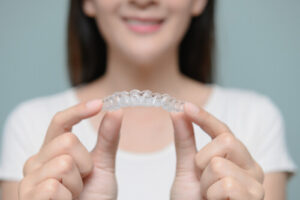 A crossbite, a condition where the upper and lower teeth do not align properly, can manifest in various ways, and understanding its different types is crucial for accurate diagnosis and the correct treatment.
 Invisalign, a revolutionary tool in orthodontic treatment, offers a contemporary approach to correcting crossbites. The duration for Invisalign to treat a crossbite largely hinges on the complexity of the individual’s case.



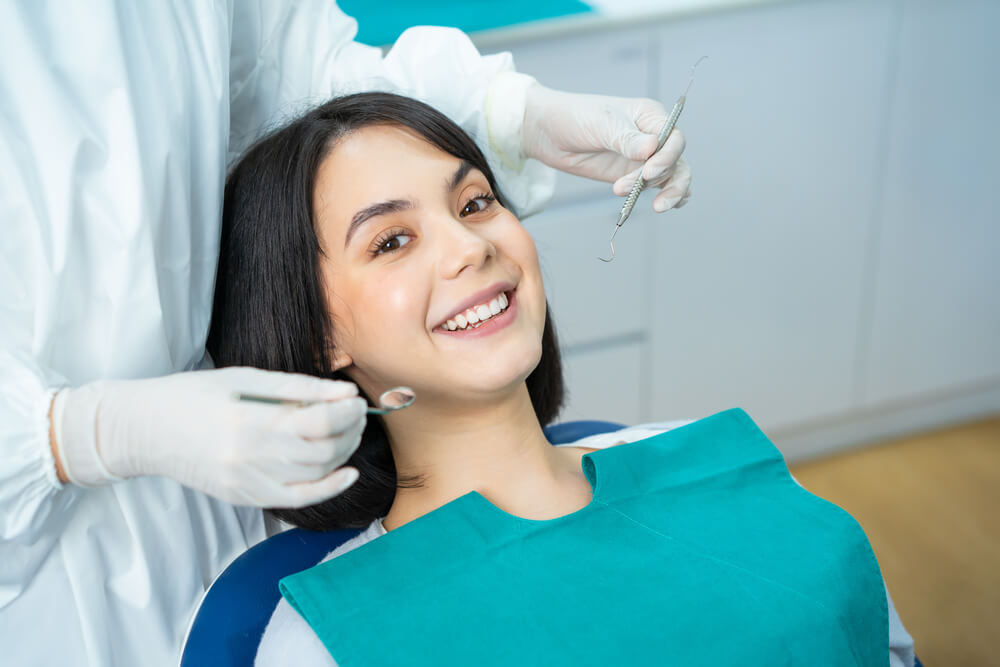
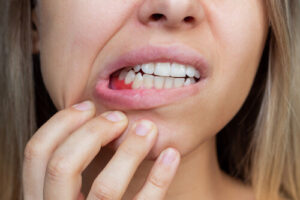 The primary difference between periodontitis and other oral diseases lies in its severity, the areas it affects, and its potential consequences. While conditions like cavities or tooth decay primarily affect the teeth, periodontitis is a disease of the gums and the supporting structures of the teeth. Furthermore, untreated periodontitis has been linked with more serious health conditions such as diabetes and heart disease.
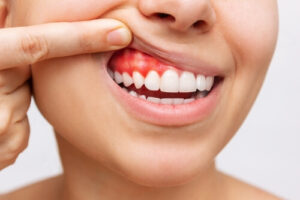 Deep Cleaning (Scaling and Root Planing): This non-surgical procedure involves scaling and root planing. Scaling means scraping off the tartar from above and below the gum line. Root planing removes rough spots on the tooth root where the germs gather, helping remove bacteria that contribute to the disease.
 Regular Dental Checkups and Cleanings: Visit your dentist or dental hygienist regularly for checkups and professional cleanings. During these visits, they can detect early signs of gum disease and can help you get on top of it before it becomes a major issue.
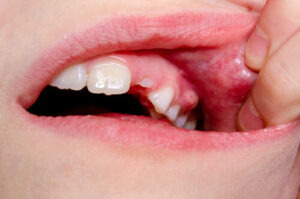 bleeding while brushing or flossing
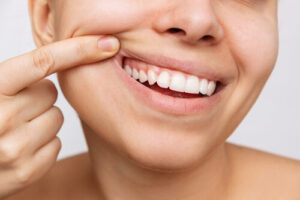 Hydrogen peroxide, a mild antiseptic, is often helpful in preventing skin infections from minor cuts and scrapes. Swishing with hydrogen peroxide may also help relieve minor mouth irritations and kill bacteria that could lead to gum disease. Hydrogen peroxide can be purchased in a 3% solution at the pharmacy and diluted with 50% water.
 To use essential oils for periodontal disease: