by dentistryblog | May 10, 2019 | Dental Implants
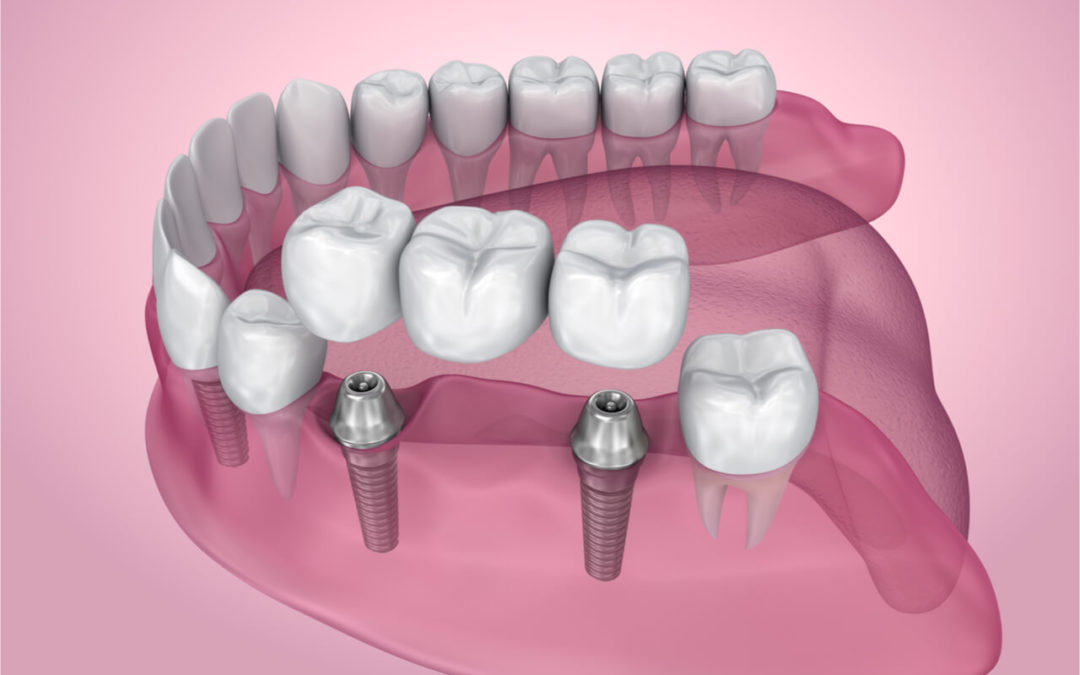
Dental implant isn’t a permanent tooth hence must be managed differently from other natural teeth to make sure it serves longer. Implants are surgically positioned on the jaw before the tooth is mounted on them to eliminate any gap in the dental structure. If you’re interested to restore your smile back though implants, you can get DIO Implants in Sydney which is far more dependable than the traditional ones.
Unlike the natural bridges, those that are supported by dental implants are more beneficial since they don’t have to be anchored on other teeth which is very common in the use of a bridge. For the implant support to work effectively and offer the right outcome, you must have healthy gums and bones in place. When the jaw bones aren’t able to support the implants, either bone crafting or lifting can be done for the process to be supported adequately.
What is an implant-supported bridge?
There is a very thin line between the normal bridge used in the dental corrective process and the implant supported one. The main difference comes from the supporting teeth since the normal bridge is supported by natural teeth while the implant supported are majorly under the control of implants. Before the bridge is used for an implant supported, an implant must first be put in place to support the procedure as it begins. 
When is an implant supported bridge used?
Implant bridge can’t be used on any of the dental patients since it has specific requirements. It’s commonly used on those patients with more than one teeth missing on the adjacent position. The procedure is used to reduce the pressure by spreading them to the entire bridge which enhances tooth safety.
How the implant supports the bridge?
The dentist will first analyze the health condition of the jaw before an implant is put in place. Dental implants require healthy bones hence sensitive and poor bones can limit the position of the implant. There is a lot of risks that are attached to the procedure as the screws can easily break during the process or an implant can fail to support effectively after the bridge has been put in place.
by dentistryblog | Apr 28, 2019 | Cosmetic Dentistry
It would be true to say that you have ever looked at someone and wondered what is wrong with their teeth. By asking yourself that question you may have realized that apart from other functions such as chewing and tearing your teeth tell much about you. It is for such and many other reasons that dental care becomes very important and necessary. Since you can’t completely eliminate the possibilities of cavities, tooth decay, and other unfortunate injuries in teeth, it is important to know the right step to take in case that happens. Since removing the tooth is not often the best option, the installation of teeth inlay becomes necessary. A Richmond dentist at Riverlands Dental clinic laid out all the things you need to know about teeth inlay so read on.
Description of a tooth inlay
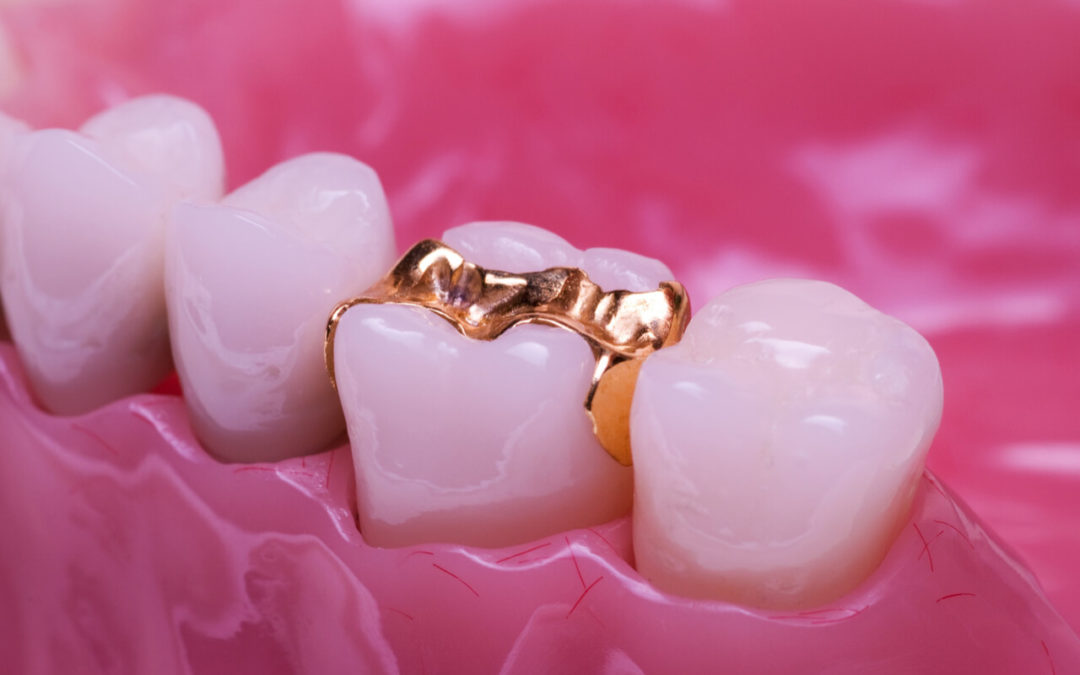
A tooth inlay is basically a molded filling that is used to fill grooves of teeth in case of a fracture, or a cavity as a result of tooth decay. Tooth inlays are made from composite resin or porcelain whereby this material is curved to fit into the groove of the tooth. This is of course after the dentist drills your teeth under dental anesthesia to remove and clean tooth decay.
Afterward, an impression of the groove is taken to the lab where a fitting inlay is made. It is worth to know that an inlay is made to match the color of the tooth and it provides a perfect and almost invisible dental restoration, especially at the chewing surface. 
Benefits of a tooth inlay
A tooth inlay is meant to fix your destroyed chewing. whereby it serves as a substitute to your lost part of the tooth. What makes a teeth inlay better than regular fillings is that it is durable and it restores your chewing surface and prevents further decay. In addition, you can opt for inlays made of gold and other materials for the assurance of a more permanent solution and brighter smiles in the future.
Conclusion
You know very well that dental care is crucial and that your teeth can’t grow back a second time. However, since it is almost impossible to eliminate the chances of tooth decay and fractures completely, it is advisable to opt for more permanent solutions such as a teeth inlay in case the undesired happens.

by dentistryblog | Apr 15, 2019 | Cosmetic Dentistry
Professional teeth whitening is one of the best and the most popular cosmetic dental technique globally. The practice takes place in the office under careful and highly monitored conditions, unlike home-based techniques that involve use of low-dose bleaching agents. In-office teeth whitening ensures, pain free, safe, and effective use of bleaching agents of relatively high concentration that guarantees perceptible results instantly. If you’re looking to get your teeth professionally whitened, a Sunbury dentist explains teeth whitening options so you’ll be perfectly guided.
The average cost of professional teeth whitening may vary widely depending on the type of treatment. It’s estimate average cost is $650. The different types of teeth whitening options are;
- The whitening strips– they contain a whitening gel. They are warped around the targeted teeth and a package of 28 strips goes for $44.99.
- The whitening toothpaste– it’s a special toothpaste that whitens teeth through brushing. It goes for around $4.
- In-office teeth whitening techniques-involves treatment by a dentist using teeth bleaching agents or ultra-violet light. It’s estimated at $650.
Despite the relatively high cost of treatment, professional whitening of teeth is worth it due to the following reasons;
Faster results 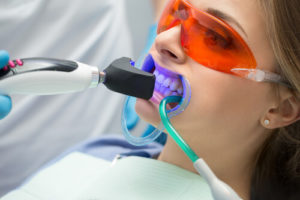
The bleaching gel is highly concentrated and more effective than most home-based bleaching agents. Effectively, the results are experienced immediately after treatment. One does not have to wait for a week or two to see the results. Compared to the home product that is set to be practiced for a period of two- to four weeks, in-office treatment takes roughly an hour
Dental monitoring
The availability of a dentist for close supervision during the treatment process is an added advantage to the in-office method of dental care. Unlike the OTC products such as the whitening strips, in-office treatment is closely monitored by the dentist to ensure that each step is executed flawlessly for the desired results. It also ensure there there are no negative impacts of the process such as damage to the gums and teeth which are likely to occur when supervision is absent. It is for this and many other reasons that professional teeth whitening is the best for your teeth.
Check out this list of the top teeth whitening kits in the market if you’re interested in removing your teeth stains fast.
by dentistryblog | Apr 11, 2019 | Dentistry
Restorative dentistry and the materials used are directly proportional hence the importance of dental restorative materials. In order to get a perfect dental care and achieve a healthy teeth, you must work with a professional with clear understanding of the dental restorative materials’ safety.
Ensuring the safety use of dental restorative materials
Dental care can be both be easy and difficult at some point especially when complex reconstruction on the hard tissues is required. You must consider using the right material that are safe and can’t cause any complication.
Technology has enabled quick revolution and development of dental care which has translated to great success during most of the teeth restoration process. The development of materials used for restorative dentistry are tailor-made to help meet their primary purpose with ease. Since the oral cavity is very complex, every detail must be considered so the materials are made safer and user-friendly.
The materials must be able to handle common issues within the oral cavity such as a strong force, changing PH and an environment of warm fluid. Oral cavity environment is under very harsh control hence the materials used for the reconstruction process must be non-reactive as well. Specific materials must play their roles with the right knowledge required for the manipulation. 
Detailed considerations such as the right measurement for the dental applications together with the right design are very necessary. Whether the restoration involves the replacement of the entire teeth structure or just a section of the structure, you must consider a qualified professional. With the right steps for the restoration, it can be difficult to differentiate the natural tooth structure and new look after the restoration.
The color of the teeth and the materials used must match to reduce introducing other colors in the dental structure. There are approved metals that are perfect for the restoration following their strength and external appearances. Every part of the dental structure must be protected when different materials are introduced for the restoration process to make sure there’s zero harm. Complications that may arise can be limited when early identification of the requirements are made and right steps are taken.
by dentistryblog | Apr 7, 2019 | Dentistry
Cavities are formed in the teeth mainly because bacteria, acids and other food act on the enamel of the teeth and damage it. Hence to prevent damage to their teeth, people of all ages are increasingly considering dental sealants. Children like eating chocolates sweets and are more likely to develop cavities in their teeth. Hence dental sealants were used extensively for ensuring that children do not develop cavities on their teeth. However adults are also facing the problem of cavities, hence dentists are now also recommending the use of dental sealants for adults. A highly skilled dental professionals should be able to provide this type of preventative dental care if you’re looking for a dental clinic.
It should be noted that dental sealants can only be used on healthy teeth, which do not have any kind of cavities and bacteria. The sealant is a thin coating of plastic which is applied to the teeth which covers the teeth completely, so that the bacteria, acids in the mouth do not reach the real surface of the tooth. The chemicals in the sealant ensure that it adheres to the grooves in the tooth, and forms a bond, which cannot be removed easily by brushing, eating and other activities. Thus, the sealant forms a protective coating over the enamel of the teeth to prevent decay in future. 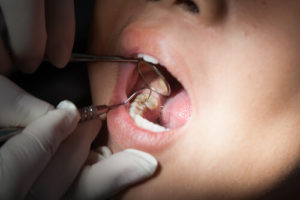
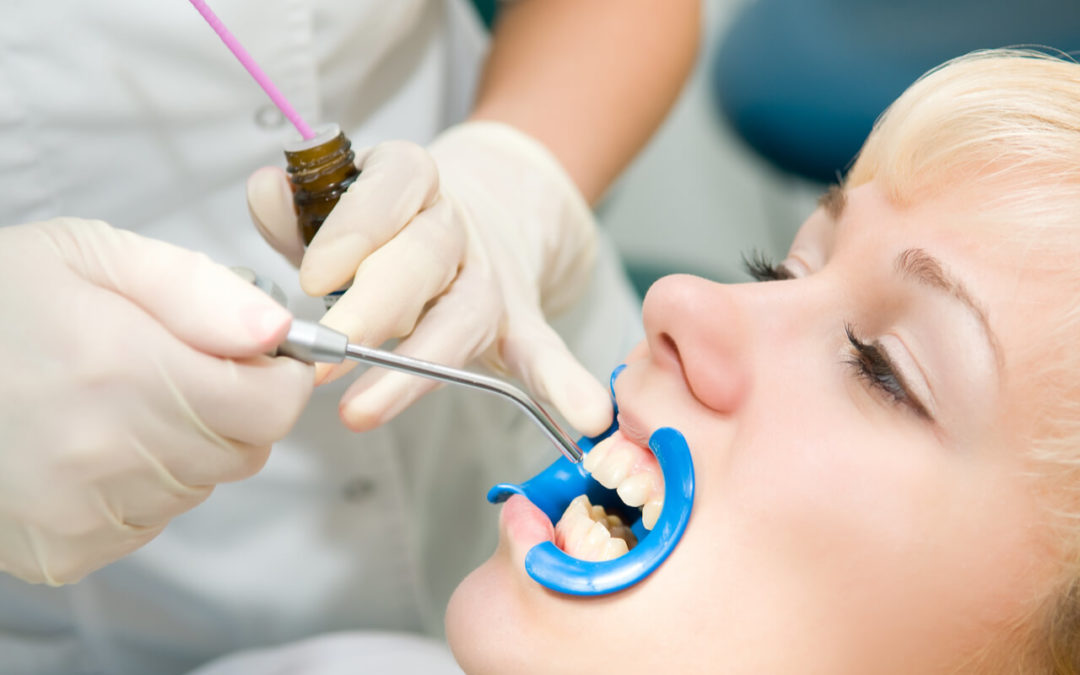
Food is more likely to accumulate at the back of the mouth and cavities are also more likely to be formed on these teeth which cannot be easily reached. It is difficult for the dentist to treat these teeth at the back of the mouth, so often the dentist will apply the sealant to these teeth, the molars and the premolars. To prepare the teeth for the sealant, an acidic solution may be applied, which helps the sealant adhere to the tooth surface more easily. The liquid sealant will take some time to harden. Applying a sealant is a simple procedure which is painless. However, dentists will recommend using sealants based on the condition of the teeth and other factors.