by dentistryblog | Jun 21, 2019 | Dentistry
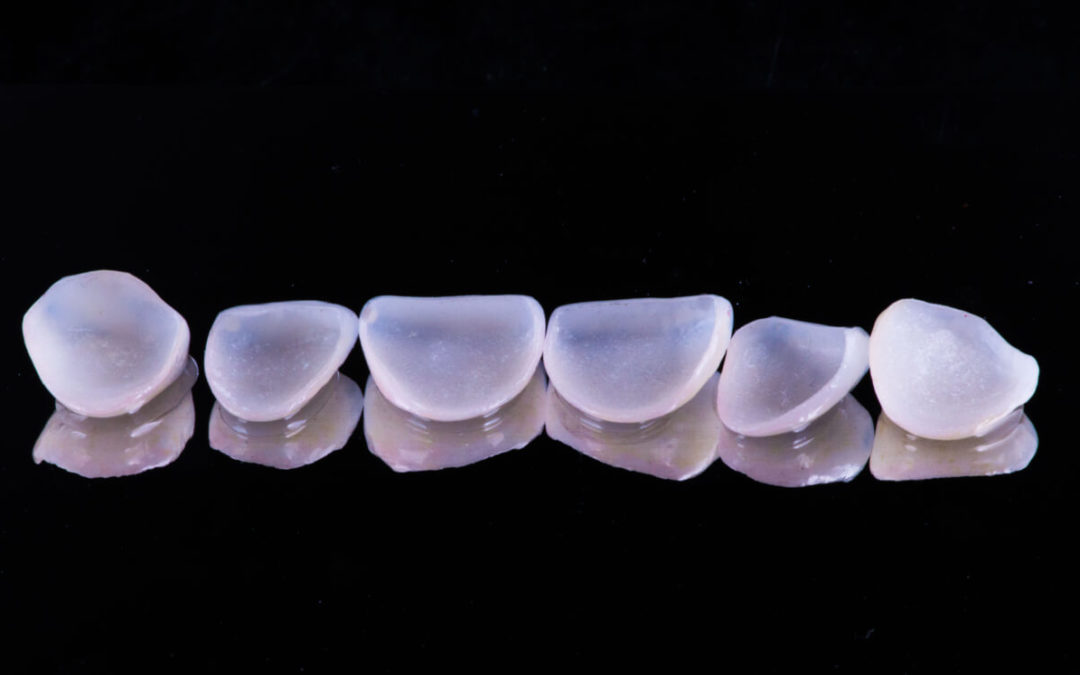
Before you can consider veneers cost, it’s important to get the right definition of what it entails and how it works to restore dental appearance. Dental veneers are common when it comes to the improvement of teeth appearance and have been used for a long period of time. They are the thin shells of a colored tooth that get attached to the front part of the teeth.
In most cases, they are tailor-made depending on the dental needs to serve best the needs of the clients. Materials that are used such as resin-composite and porcelain in the design of veneers are safe and are bounded permanently on the teeth. When the veneers are used perfectly by professionals, they can work to handle different cosmetic requirements.
How much do veneers cost?
The cost of having veneers in place may vary from one place to the other and may depend on the underlying condition being handled. When you require to have veneers, financial and physiological preparation is important to make the results work perfectly. Most of the cases that are related to veneers are considered as cosmetic procedures hence they aren’t covered by the insurance.
 The patient considering veneers should bear the total cost making it important to prepare adequately. Veneers cost may also vary depending on the number of teeth to be handled. When veneers are meant to serve for a longer period of time, it may be more expensive as compared to temporary veneers that may last for a short time. Traditional veneers are the most cost-effective process in long term consideration and may be more expensive.
The cost of veneers may vary depending on the veneers type that you are going for hence it must be done under the control of a qualified professional. Cases such as the level of expertise of your dentist and the cost of living within your area may affect the cost that is set for veneers.
by dentistryblog | Jun 7, 2019 | Uncategorized
Dry Needling is an alternative medicine technique that has a lot of similarities with acupuncture. It is used by trained professionals to ease pain and tense pressure in the muscles and body tissues of the patient. Dental pain is one of the worst pains anyone can experience, as the area inside and outside the mouth has the most nerves than in any other part of the body. In this article, we will explain how Dry Needling works, the pros and cons and finally the overall dry needling effectiveness for dental pain. But the question is, can dry needling help with tooth pain?
How Dry Needling Works
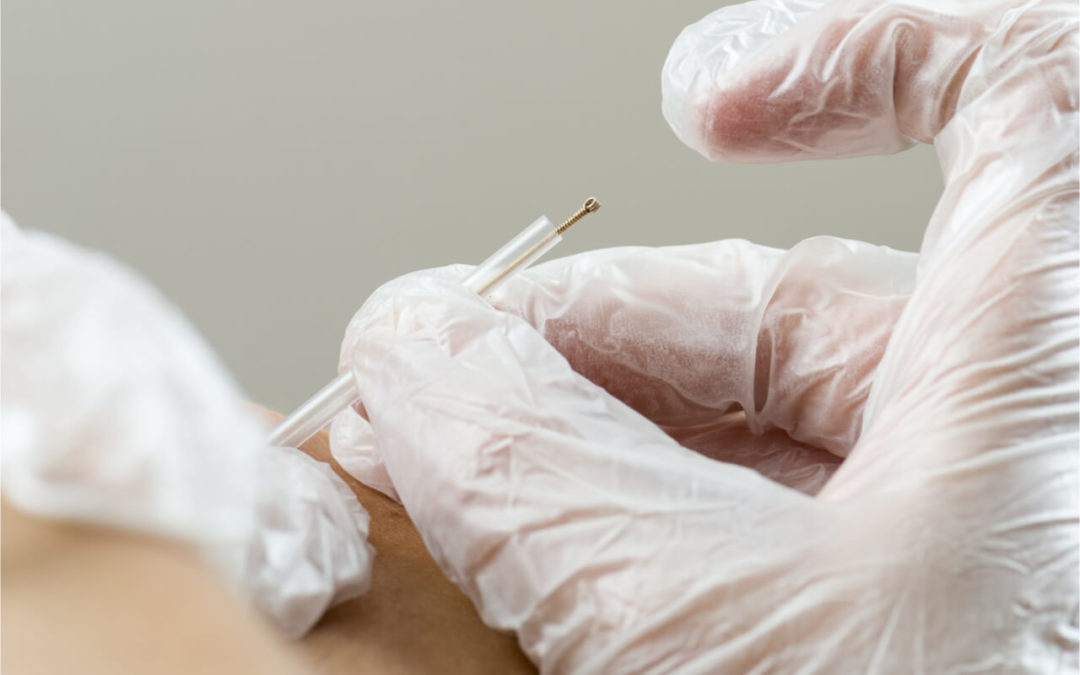
Dry Needling is a so-called invasive procedure which means that you need to insert objects which in this case are the needles into the patient’s body. Medication does not usually work to relieve pressure in muscles, the best cure is to have the muscles massaged in some way. Dry Needling is a form of massage that massages the muscles that are not near the surface of the body and are therefore hard to massage effectively using standard methods.
Thin needles of different lengths are inserted in the muscles and tissues where the patient is experiencing pain, the points where there are inserted are known as pressure points with the medical name for it being ‘Myofascial Trigger Points‘. When the needle is inserted in one of those pressure points it causes blood to flow in that specific point causing the muscles to ease up and relax reducing the pain the patient is experiencing.
Pros
- Research suggests that is an effective way to minimize pain in places in the body that cannot be treated by medicine or the basic massage.
- The methods are similar to other alternative medicine practices such as Acupuncture and Cupping therapy. The similarities are that they both draw blood to the affected areas in order to release tension and reduce pain allowing for the body to then recover naturally.
- The average cost of Dry Needling in the United States is $40 per session which is not too expensive and worth it if you want to relieve some pain.
Cons 
- Dry Needling is only effective for dental pain if the pain is muscle or tissue related if the pain is coming from a nerve connected to a tooth or from the gums it will not be possible to treat it with dry needling .
- The cost will put some people off that cannot afford it, it is not worth paying for it if you really cannot afford it as it is unlikely to remove all the dental pain you will be experiencing.
- Dry needling is what is known as an ‘invasive’ procedure as you are inserting needles in your body which always carries the risk of infection if not done with the necessary professionalism.
- The American Physical Therapy Association says that dry needling should not be used as the main method of treating pain, instead it should be used as a complementary procedure to other more medically recognized forms of therapy such as therapeutic exercises.
Summary
Dry Needling is definitely something you should take a look at as an extra treatment if you suffering from dental pain if you can afford it and have the time for it. The dry needling effectiveness will vary based on each individual case depending on if the pain is coming from a trigger point in the muscles or other parts in or around the mouth that can’t be treated as effectively by dry needling. It can have noticeable benefits but it is not a miracle cure and always consult your dentist to see what he will suggest as a treatment for your dental pain. You can consult DRHomeDoctorsPerth.com.au if you need more help in dealing with pain.
by dentistryblog | May 30, 2019 | Dentistry
Gum recession is the condition observed when the gum tissue surrounding a tooth pulls away from it. This is very unpleasant and it exposes the tooth’s root to plaque and bacteria attack. When this happens, you can reach a dental expert from www.dreppingdentists.com.au Contact to receive the right treatment. Becuse If left untreated, this condition can become really severe causing the patient serious pain and eventually the affected tooth will fall off. Not very long ago, the treatment of gum recession required traditional skin grafting but this has been replaced with an easier and less painful procedure called chao pinhole surgical technique.
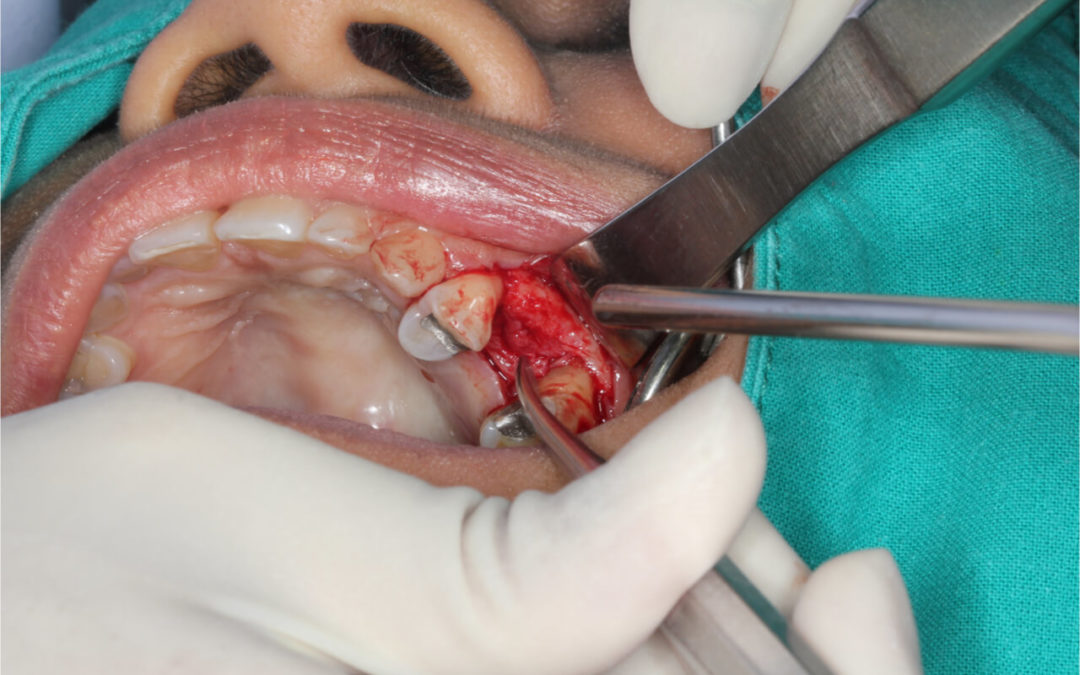
The traditional skin grafting for repairing gum recession involves cutting some pieces of gum tissue from the roof of the patient’s mouth and transplanting it to the recessed area around the tooth/teeth. This process can be painful and require a few days to heal. With the introduction of the pinhole gum surgical procedure, treating gum recession became easier and less painful and it only takes a few hours to heal.
This procedure is simple, it generally requires the following; first the gum tissue around the affected tooth are loosen. This is achieved by placing small pinholes in the gum tissue, then a special instrument is passed through those pinholes to loosen the gum tissue and gently the tissue is re-positioned. Collagen is used to hold the repositioned gum tissue in place until they heal. And the healing process doesn’t take very long. But for complete recovery you’ll have to follow a strict diet guideline provided by your surgeon. 
Like every other surgical procedure, there are known cases of pinhole gum surgical complications and side effects. Some side effects observed by patients include; pain, swelling around the gum, bleeding and fatigue. These side effects are really nothing to worry about since they can be managed by some over-the-counter pills prescribed by your periodontist.
Pinhole gum surgical complications can be more alarming and distressing but it’s nothing your periodontist can’t handle. These complications include;
•Excessive bleeding; if this is observed it should be reported to your periodontist as soon as you can.
•Food particles getting stuck in your gum; this is very unpleasant and to make sure it doesn’t happen it’s advised you strictly follow the diet guidelines.
•In very unfortunate and rare cases the repositioned gum may continue to recede. This requires urgent attention by your periodontist.
The pinhole gum surgical procedure is currently the best way to treat gum recession and it’s very reliable too.
by dentistryblog | May 29, 2019 | Dentistry
When Theodore Harold demonstrated the use of laser technology in the sixties he never envisaged the numerous ways the technology would be integrated in our daily life. The ability to precisely target and cut make lasers ideal for many health and medical care professionals. As a matter of fact, there’s a renowed cosmetic laser surgery in Sydney that make’s use of this technology and now it’s gaining the same recognition in dental surgery.
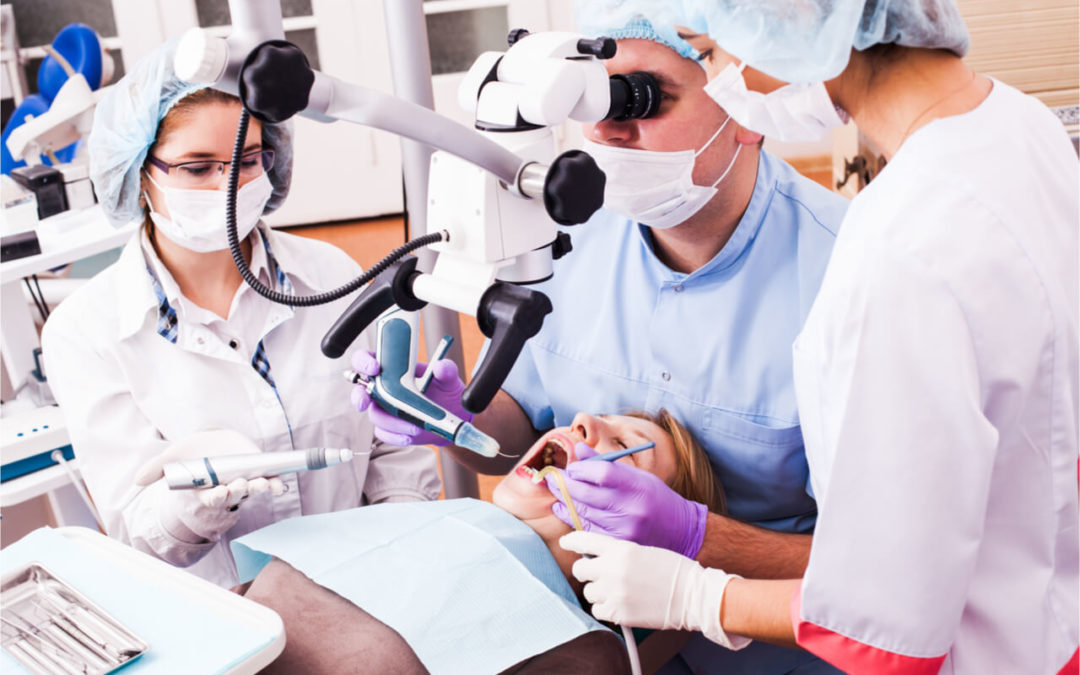
Over the last couple of decades, laser dental surgery has slowly become common for dentistry practice, replacing the anxiety of dental drill with a calm rushing air sounds. The following are some of the ways MyHM Dentist Kellyville clinic uses to complement to their dental practice.
1. Minimal invasive surgery
Dental surgery may sound very painful and scary to many who have gone through the traditional way. Using the laser diode makes the whole process less invasive and eliminate the need for using dental anesthesia for filling cavities to the cutting of the gum to reach the impacted tooth.
2. Versatility of dental tools
The dental lasers usually address numerous issues varying from the treating gum disease to whitening of teeth as well as reshaping the gums surgically which makes them multipurpose tools for dentistry.
3. Effective gum disease treatment 
Dental conditions like gingivitis and periodontal diseases require prevention of progression to a point of teeth lose. The teeth require frequent scaling to remove the plaque from their pockets and roots of the teeth. Using laser dental surgery addresses the specified issue as well as reducing the toxins and bacteria translating to
4. Faster healing
When going through any dental procedure, the last expectation is a lengthy and uncomfortable procedure with prolonged and painful recovery period. Using laser dentistry causes less bleeding and swelling meaning faster healing.
5. Safe for pacemakers
Laser dental surgery has been proved to be ideal for patients with pacemakers who cannot be taken through electrical surgery due to electrical interference. The lack of electrical waves and heat also make it ideal for using around orthodontics brackets, wires and dental implants.
Choose dentists who are trained in laser dentistry for cosmetic dentistry, oral care or even when whitening your teeth. Depending on oral or your overall health, treatment expectations and current problems, laser dental surgery will always be a viable option for all.
by dentistryblog | May 28, 2019 | Dentistry
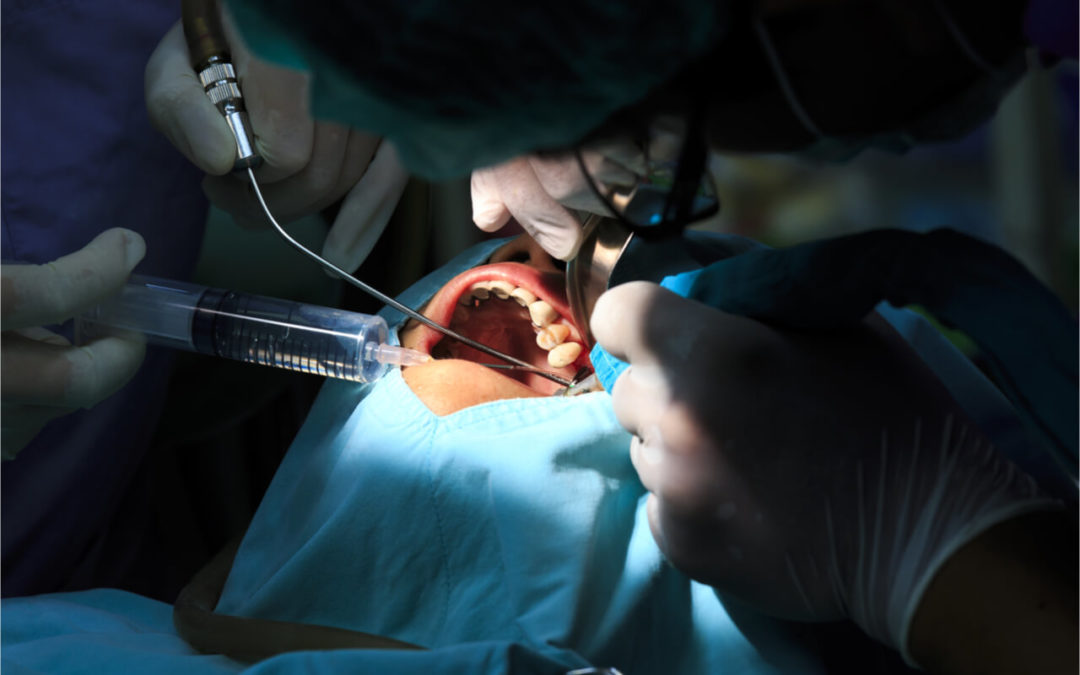
Every day, hundreds, if not thousands of people undergo oral surgery in dental and medical facilities all over the world. Oral surgery or the branch of surgery that deals with the mouth and the jaw can be simple or complex. To meet all the dental needs for patients in Dapto, dentist Dr. Beena offers various types of oral surgey services according to their individual needs. In this article, we will discuss the most common types of oral surgery services.
Common Types of Oral Surgery Services
Tooth Extraction
When the tooth is poorly positioned, badly damaged and cannot be reached easily, oral surgery is often required. In this case, the gum tissue will be cut to expose the tooth below. By moving the gum tissue, the tooth can then be easily removed.
Usually, wisdom and impacted teeth are the ones that need surgical extraction.
Root Canal
Root canal surgery is an endodontic (surgery involving the root or pulp) treatment that’s meant to treat a tooth that’s damaged with the root exposed. This process involves removing the inflamed tooth pulp, replaced with an inactive substance, and a dental crown will be placed on top of the tooth to save it.
Dental Implants 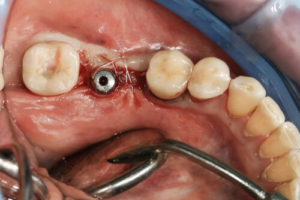
Nowadays dental implants are one of the most preferred methods of replacing missing teeth. This type of oral surgery involves titanium rods that are implanted directly in the jawbone. These rods serve as substitute teeth roots. Artificial teeth are then placed in these rods. Some patients need bone grafts before they can be fitted with dental implants.
Veneers
Putting on veneers is part of Prosthodontics or the dental surgery that involves putting on dental or tooth replacements. Veneers are an artificial covering, but they only cover the surface of the forward teeth. Veneers are usually requested because of aesthetic reasons.
Jaw Surgery
When the jaw is not aligned, it can cause problems not only with how it looks but also how it functions. Oral surgery is often used to correct this problem.
Cleft Lip
A cleft lip is a congenital disorder that happens when the baby’s lip or mouth does not form correctly during pregnancy. To fix this, cleft palate repair is used to correct the clefts in the roof of the mouth or in the lips.